
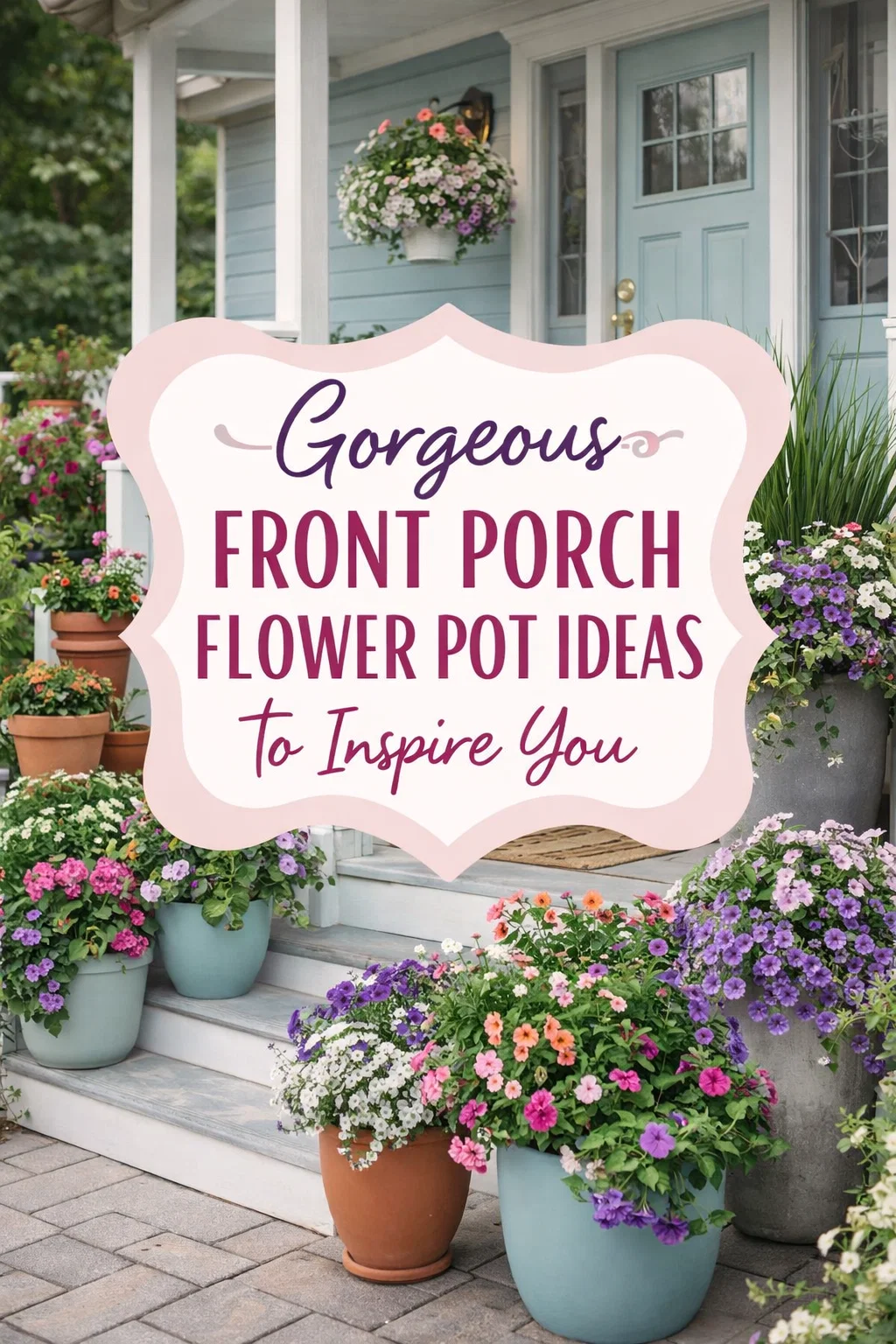
Creating a welcoming entrance to your home starts with the very first thing your guests see before they even step through the front door. Your front porch is more than just a transition space; it is a canvas where you can express your personality and set the tone for the rest of your interior design. One of the most effective and versatile ways to transform this area is through the strategic use of flower pots and planters. Whether you have a sprawling wrap around porch or a modest concrete landing, the right greenery can breathe life into your exterior and instantly boost your curb appeal. In this guide, we will explore the best front porch flower pot ideas that combine aesthetic beauty with practical gardening tips to help you create a stunning floral display.
The Power of First Impressions and Curb Appeal
Psychologically, a well decorated porch tells a story of a home that is cared for and loved. When people walk up to a house adorned with vibrant petunias, elegant ferns, or architectural succulents, they feel an immediate sense of warmth. Curb appeal is not just about real estate value; it is about creating an environment that feels inviting for you every time you return home. Flower pots are the secret weapon of home staging and exterior design because they are mobile, seasonal, and relatively inexpensive compared to major landscaping projects. They allow you to experiment with colors and textures without the permanence of planting directly into the ground.
Choosing the Right Container for Your Porch Style
Before you pick out your plants, you must consider the vessels that will hold them. The style of your planter should complement the architectural details of your home. If you live in a traditional farmhouse, classic terra cotta pots or wooden whiskey barrels provide a rustic and timeless charm. For those with a more modern or minimalist aesthetic, geometric concrete planters or sleek black fiberglass pots offer a clean look that emphasizes the structure of the plants themselves.
Consider the material of the pot as well. Ceramic pots are beautiful and hold moisture well but can be heavy and prone to cracking in freezing temperatures. Resin and plastic containers have come a long way in design, often mimicking the look of stone or wood while remaining lightweight and durable. If your porch gets a lot of wind, heavier containers like cast iron or stone are essential to prevent your hard work from blowing over during a storm.
The Importance of Drainage
Regardless of how beautiful a pot looks, it must be functional. One of the most common mistakes in porch gardening is using containers without drainage holes. Without a way for excess water to escape, plant roots will sit in soggy soil and eventually rot. Always check the bottom of your pots before purchasing. If you find a decorative vessel that you absolutely love but it lacks a hole, use it as a cachepot. This means you keep the plant in a slightly smaller plastic nursery pot with drainage and simply set it inside the decorative one.
Designing Your Arrangements: The Thriller, Filler, and Spiller Method
Professional gardeners use a simple formula to create high impact container gardens. This is known as the Thriller, Filler, and Spiller technique. By following this rule, you ensure that your arrangement has height, bulk, and graceful movement.
- The Thriller: This is the focal point of your pot. It is usually a tall, eye catching plant placed in the center or the back. Think of ornamental grasses, spike plants, or even a small topiary.
- The Filler: These are mounding plants that surround the thriller. They add volume and color to the middle section of the pot. Petunias, geraniums, and begonias are classic fillers that provide a lush look.
- The Spiller: These plants trail over the edges of the pot, softening the lines of the container and adding a sense of abundance. Sweet potato vine, ivy, and lobelia are excellent choices for creating that cascading effect.
Color Palettes that Pop
Selecting a color scheme is where you can truly let your creativity shine. You can go for a monochromatic look, using different shades of the same color, such as various pinks and purples as seen in many successful porch displays. This creates a sophisticated and harmonious feel. Alternatively, you can use complementary colors, which are opposites on the color wheel, like purple and yellow or blue and orange, to create a vibrant and energetic entrance.
Do not forget the power of white flowers. White blossoms reflect light and can make a shaded porch look much brighter. They also look incredibly elegant against dark green foliage or a brightly painted front door. If your house is a neutral color like gray or white, a bold pop of red or hot pink can provide the perfect focal point.
Optimizing for Sun and Shade
Your porch’s orientation determines which plants will thrive. A north facing porch likely stays in the shade most of the day, while a south facing porch might bake in the afternoon sun. It is vital to match your plant selection to these conditions.
Best Plants for Shady Porches
If your porch is tucked away from the sun, you can still have a lush garden. Focus on plants known for their foliage as much as their flowers. Hostas, caladiums, and ferns are staples for shade containers. For flowers, tuberous begonias and impatiens thrive in lower light and provide brilliant pops of color. Fuchsias are also a fantastic option for hanging baskets in shaded areas, offering unique, dangling blooms that attract hummingbirds.
Sun Loving Favorites
For porches that get at least six hours of direct sunlight, the options are nearly endless. Petunias and calibrachoa are perhaps the most popular choices because they bloom continuously throughout the summer. Lantana is another hardy option that loves the heat and attracts butterflies. If you want something with an architectural feel, consider succulents or mandevilla vines that can climb up a porch railing or trellis.
Vertical Gardening: Utilizing Railings and Hanging Baskets
If you have a small porch or want to create a more immersive garden experience, look upward. Hanging baskets are a classic porch staple for a reason. They keep flowers at eye level and can be hung from hooks or the porch ceiling. When planting hanging baskets, remember that they dry out much faster than pots on the ground because they are exposed to air on all sides. You may need to water them daily during the heat of summer.
Railing planters are another excellent way to add greenery without taking up valuable floor space. These containers straddle the porch railing and are perfect for trailing plants like ivy or creeping Jenny. They create a beautiful border that frames your porch and adds a layer of privacy from the street.
Layering and Grouping for Maximum Impact
Instead of placing a single pot on either side of the door, try grouping containers of different sizes together. Creating a “vignette” of three or five pots of varying heights creates a more natural and visually interesting display. You can use plant stands or even upturned crates to elevate smaller pots so they aren’t hidden by the larger ones. This layering technique mimics the way plants grow in nature and makes your porch feel like a cohesive garden space.
Maintenance Tips for Long Lasting Beauty
The key to a front porch that looks great all season long is consistent maintenance. Container plants rely entirely on you for their water and nutrients. Because their root space is limited, they can quickly use up the resources in the potting soil.
Watering Wisdom
Get into the habit of checking your pots every morning. Stick your finger an inch into the soil; if it feels dry, it is time to water. During a heatwave, you might even need to water twice a day. When you water, do so until you see it running out of the drainage holes to ensure the entire root ball is saturated.
Feeding Your Flowers
Frequent watering leaches nutrients out of the soil. To keep your flowers blooming vigorously, use a water soluble fertilizer every two weeks. Look for a formula with a higher middle number (phosphorus) to encourage more blooms rather than just green leafy growth.
Deadheading and Grooming
Deadheading is the process of removing faded flowers. This prevents the plant from putting energy into seed production and encourages it to produce more blossoms. Regularly pinch off spent blooms and yellowing leaves to keep your arrangements looking tidy and fresh. For trailing plants that start to look “leggy” or thin in the middle, a quick trim can stimulate new, bushier growth.
Seasonal Transitions: Keeping the Porch Fresh Year Round
Your porch decor does not have to end when summer fades. One of the best things about container gardening is how easily it can be updated for the seasons. In the autumn, swap out tired summer annuals for chrysanthemums, ornamental peppers, and pansies. You can even tuck small pumpkins and gourds into the pots for a festive touch.
In the winter, you can still maintain a beautiful entrance by using evergreen boughs, birch logs, and red dogwood branches in your planters. Many people use their empty pots to create “winter inserts” filled with pine, cedar, and holly that stay green and vibrant throughout the cold months, especially when dusted with a little snow.
Final Thoughts on Creating Your Dream Porch Garden
Transforming your front porch with flower pots is a rewarding project that pays off every time you walk through your front door. It is an invitation to slow down, enjoy nature, and take pride in your home’s appearance. By selecting the right containers, choosing plants that fit your sun exposure, and following the thriller, filler, and spiller design principles, you can create a professional looking display that will be the envy of the neighborhood. Remember that gardening is a journey of trial and error; do not be afraid to experiment with new plant combinations or bold colors. With a little bit of water, some sunshine, and a touch of creativity, your front porch can become a stunning floral sanctuary that welcomes everyone with open arms.