
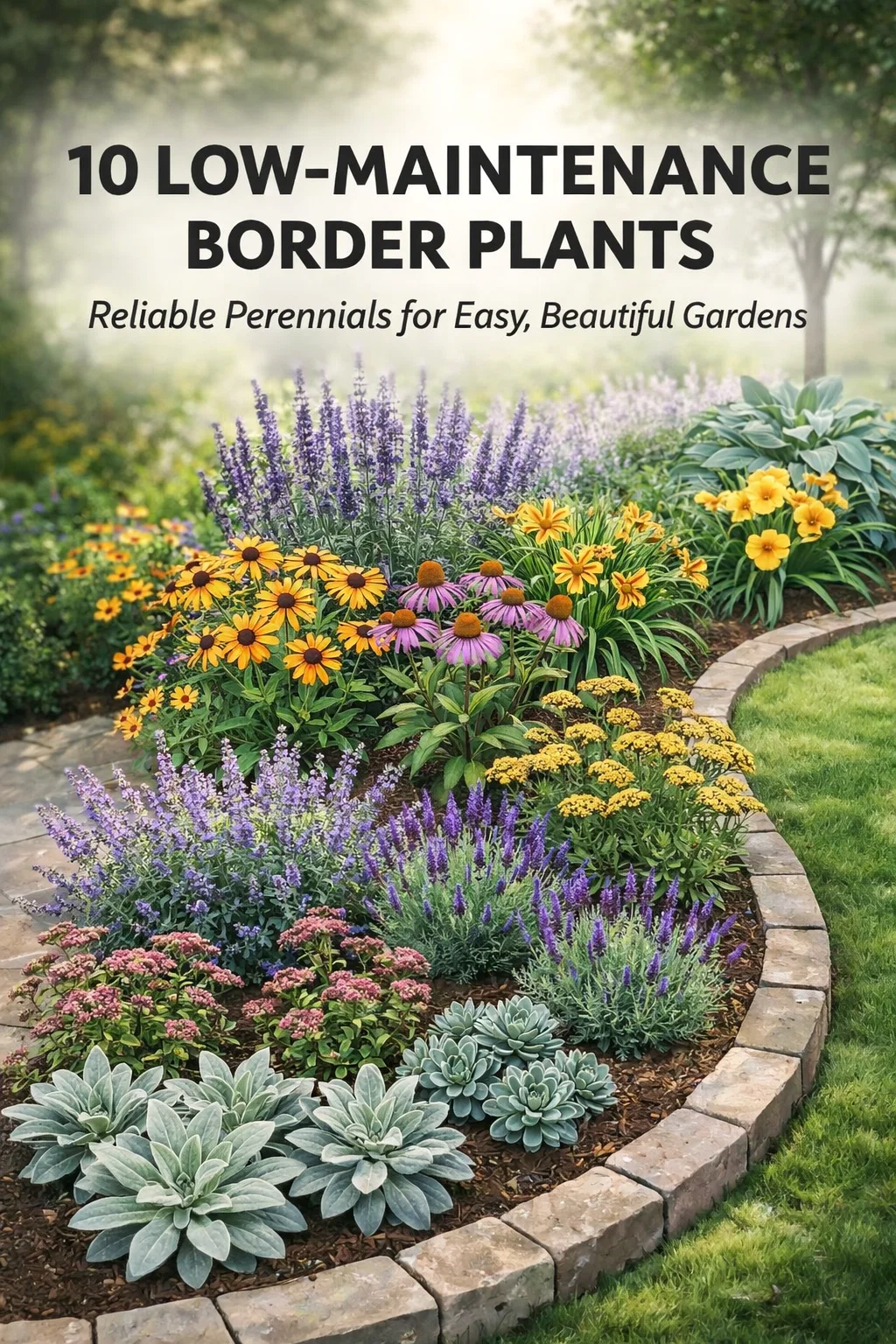
Imagine stepping out your front door to be greeted by a vibrant, flourishing garden that looks like it belongs in a magazine spread. Now, imagine achieving that stunning curb appeal without spending your entire weekend pulling weeds, pruning, or constantly watering. If this sounds like a dream, you are exactly in the right place. Creating a breathtaking front flower bed does not have to be a full-time job. By choosing the right low-maintenance border plants and utilizing a smart, layered design, you can cultivate a perennial paradise that returns year after year with minimal effort.
The secret to a professional-looking garden lies in the architecture of your planting. Just like arranging a group photo, you want your shortest subjects in the front and the tallest in the back. This layered approach ensures every single bloom gets its moment in the sun while creating a lush, three-dimensional tapestry of texture and color. Today, we are going to walk through an absolutely foolproof guide to building a resilient, stunning border garden using eleven powerhouse perennials.
The Philosophy of Layered Landscape Design
Before we dig into the specific plants, it is crucial to understand why layering works so well. A well-planned border bed is typically divided into three or four distinct sections based on mature plant height. This prevents taller plants from overshadowing the smaller ones and provides a seamless transition from your lawn or walkway up to your home or fence line.
By relying on perennials, which are plants that naturally die back in the winter and regrow from their root systems in the spring, you are making a long-term investment in your landscape. You plant them once, and they reward you for years. Let us break down the ideal plants for each layer of your new low-maintenance garden.
The Front Edge Layer: Low-Growing Charmers
The front edge of your garden is the first thing people see. This zone requires low-growing plants, typically reaching between six and twelve inches in height. These plants serve to soften hardscape edges like concrete walkways or stone borders, creating a gentle transition into the garden bed.
1. Lambs Ear (Stachys byzantina)
There is nothing quite like the silvery, velvety foliage of Lambs Ear. This plant is a sensory delight, offering a soft texture that invites you to reach out and touch it. Because of its pale silver color, it provides a striking contrast against traditional green foliage and dark mulches. Lambs Ear is incredibly drought-tolerant once established and spreads gently to form a dense, weed-suppressing mat. Design Tip: Use Lambs Ear to line brick pathways where its silvery leaves can spill over the edges beautifully.
2. Sedum (Stonecrop)
If you want a plant that basically thrives on neglect, Sedum is your best friend. These resilient succulents store water in their fleshy leaves, making them incredibly tolerant to dry spells and intense heat. Low-growing varieties like sedum spurium create a gorgeous ground cover that erupts into star-shaped flowers late in the summer. They provide essential late-season color when many other early bloomers have started to fade. Plant them in well-draining soil and watch them multiply.
3. Catmint (Nepeta)
Do not confuse this with the catnip that sends felines into a frenzy, though cats do occasionally enjoy it. Catmint is a landscape superhero. It produces sprawling, loose mounds of gray-green foliage topped with spikes of soft lavender-blue flowers. It blooms profusely from early summer into the fall, especially if you give it a quick trim after its first flush of flowers. It is highly resistant to deer and rabbits, making it perfect for front yards in wooded neighborhoods.
4. Lavender (Lavandula)
No perennial border is quite complete without the intoxicating fragrance of Lavender. While it requires excellent drainage and plenty of sunlight, it is remarkably self-sufficient once it takes root. The gray-green foliage looks elegant year-round in milder climates, and the iconic purple spikes are an absolute magnet for bees and butterflies. Growing Tip: Mix a little sand or gravel into the planting hole to ensure the roots never sit in standing water, which is the only real enemy of this Mediterranean native.
The Mid-Front and Middle Layers: The Colorful Core
Moving back into the center of the bed, we step up the height to plants ranging from twelve to thirty-six inches. This is where you can pack in the boldest colors and the longest-lasting blooms. These plants form the visual anchor of your garden design.
5. Yarrow (Achillea)
Yarrow is a rugged, native wildflower that has been cultivated into an array of stunning landscape varieties. Featuring delicate, fern-like foliage and wide, flat-topped flower clusters, yarrow provides wonderful architectural contrast to the spiky flowers of lavender and salvia. It comes in shades of yellow, pink, red, and white. Yarrow loves the hot sun and poor soil, making it an ideal candidate for that tricky, dry spot in your yard.
6. Black-Eyed Susan (Rudbeckia)
For a dose of pure, unadulterated sunshine, look no further than the Black-Eyed Susan. These cheerful, daisy-like flowers feature bright golden petals surrounding a dark brown central cone. They are vigorous growers and will often naturalize, meaning they will slowly expand their territory to fill in empty gaps in your garden. They bloom relentlessly from mid-summer straight through to the first frost, ensuring your yard always looks vibrant.
7. Coneflower (Echinacea)
Coneflowers are the reliable backbone of the summer perennial garden. Much like the Black-Eyed Susan, they feature a prominent central cone, but their petals often droop downward gracefully. While purple is the classic color, modern breeding has introduced spectacular shades of orange, white, and even lime green. They are deeply rooted and incredibly tough, shrugging off heatwaves and drought with ease. Furthermore, if you leave the dried flower heads standing in the winter, they provide essential food for local songbirds like goldfinches.
8. Daylilies (Hemerocallis)
The botanical name for the daylily translates to beauty for a day, because each individual blossom opens for only one day. However, a single mature plant will produce dozens of buds, ensuring a continuous display of color for weeks on end. Their grass-like foliage adds a wonderful sweeping texture to the middle layer of your border. They are virtually immune to pests and diseases and will happily grow in almost any soil condition you can offer them.
The Back Layer: Dramatic Heights
The rear of your garden border needs tall, structural plants that reach thirty-six to forty-eight inches or more. These gentle giants provide a backdrop that makes the colors of the front layers pop. They are perfect for masking an unsightly fence or softening the foundation lines of your house.
9. Salvia (Perennial Sage)
Salvia is a spectacular way to introduce rich, deep blues and purples into the back of your border. Sending up dense spikes of vibrant flowers, salvia creates strong vertical lines that draw the eye upward. It is an absolute favorite of hummingbirds and pollinators. Like many plants on this list, it prefers to be kept slightly on the dry side and requires very little fertilizer to put on a spectacular show.
10. Russian Sage (Perovskia atriplicifolia)
If you want to add an airy, whimsical quality to your landscape, Russian Sage is the perfect choice. It grows into a large, woody sub-shrub featuring silvery-white stems and clouds of tiny lavender-blue flowers. Because of its sparse, open branching structure, you can actually see through it to the plants or structures behind it. It provides a wonderful cooling visual effect during the hottest days of late summer and emits a spicy, herbal scent when you brush past it.
11. Hostas
While most of the plants we have discussed are sun worshippers, no garden guide is complete without addressing the shadier spots. If your border garden extends under the canopy of a large tree or sits on the north side of your home, Hostas are your ultimate solution. Grown primarily for their lush, dramatic foliage, hostas come in an astonishing variety of greens, blues, and variegated yellows. They are incredibly long-lived and require practically zero maintenance other than a little protection from slugs and snails in the wet spring months.
Pro Tips for Establishing a Low-Maintenance Bed
Choosing the right plants is only half the battle. To truly make your garden low-maintenance, you need to set it up for success from day one. Here are some essential guidelines to ensure your new border bed thrives with minimal intervention.
- Focus on Soil Preparation: Before you plant a single thing, take the time to amend your soil. Dig in generous amounts of organic compost. Good soil drains well but retains enough moisture to keep roots happy. This upfront work will save you hours of fertilizing and watering later.
- Embrace Mulch: A two to three-inch layer of organic mulch is a gardener’s best friend. Mulch suppresses weed seeds, regulates soil temperature, and locks in moisture. Shredded bark or cedar mulch will slowly break down over time, naturally improving your soil quality.
- Water Deeply and Infrequently: The biggest mistake new gardeners make is watering a little bit every day. This encourages shallow, weak root systems. Instead, water your new plants deeply once or twice a week to encourage their roots to drive far down into the earth. Once established, the perennials on this list will rarely need supplemental watering unless you experience a severe drought.
- Plant in Drifts: Rather than planting one of everything in a polka-dot pattern, group your plants in odd numbers like threes or fives. This technique, known as planting in drifts, creates a much more natural, cohesive look and maximizes the visual impact of their colors.
The Joy of the Effortless Garden
Creating a breathtaking front yard does not mean sacrificing your free time. By embracing the strategy of layered border planting and selecting resilient, drought-tolerant perennials, you can build an ecosystem that practically takes care of itself. The mix of textures from the fuzzy Lambs Ear up front to the airy heights of the Russian Sage in the back guarantees a dynamic, visually engaging space.
Gardening should be a source of peace, not a source of stress. Start planning your layout, map out your layers based on mature plant heights, and get ready to enjoy a front flower bed that will be the envy of the entire neighborhood. Grab your trowel, map out your space, and let nature do the heavy lifting for you.