
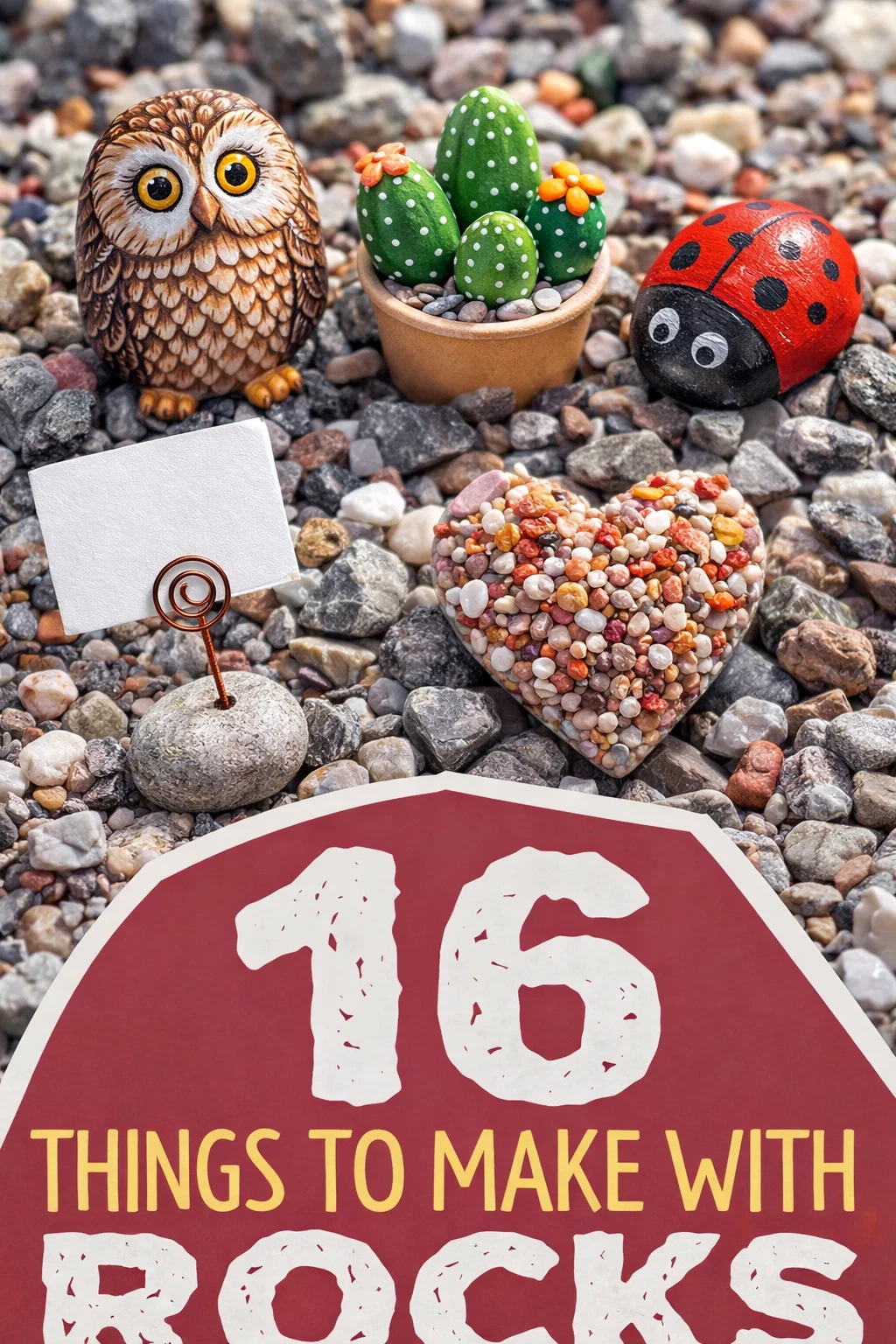
Nature has a remarkable way of providing us with the raw materials for endless creativity. If you have ever walked along a shoreline or hiked through a mountain trail, you have likely looked down and seen an array of beautiful stones scattered at your feet. These humble rocks, often overlooked as mere debris, are actually a blank canvas waiting for a touch of inspiration. Transforming simple pebbles into works of art is one of the most rewarding and accessible hobbies you can dive into. It connects you with the outdoors and allows you to create something permanent and tactile in an increasingly digital world.
The Therapeutic Benefits of Crafting with Nature
There is something deeply grounding about working with natural materials. When you hold a smooth river rock or a rugged piece of granite, you are holding a piece of the earth that has been shaped over thousands of years. Engaging in rock crafts is not just about the final product; it is about the process of slowing down. Many crafters find that the repetitive motion of painting fine lines or the puzzle like challenge of arranging pebbles into a mosaic provides a meditative experience that reduces stress and improves focus.
Unlike many other hobbies that require expensive starter kits, rock crafting is incredibly budget friendly. Your primary materials are free and found right outside your door. This makes it an ideal activity for families, teachers looking for classroom projects, or anyone who wants to explore their artistic side without a heavy financial investment. It encourages us to look closer at our environment and find beauty in the mundane.
Essential Tools for Your Rock Art Toolkit
While the rocks themselves are free, having the right supplies will make your crafting experience much more enjoyable. To get started, you do not need much, but a few specific items will help you achieve professional results. First, you will want a variety of brushes. Fine tipped brushes are essential for detail work, while flat brushes are better for base coats.
Acrylic Paints and Pens
Acrylic paint is the gold standard for rock painting because it is opaque, fast drying, and durable. For beginners, acrylic paint pens are a game changer. They offer the control of a marker with the vibrant finish of paint, making it much easier to write text or draw intricate patterns. If you plan on placing your finished pieces in a garden, make sure to look for outdoor grade acrylics that can withstand the elements.
Adhesives and Sealants
If your project involves stacking rocks or creating pebble art on a frame, you will need a strong adhesive. Industrial strength glues like E6000 are popular because they create a permanent bond that can handle the weight of the stones. Finally, always seal your work. A clear acrylic spray or a brush on varnish will protect your designs from UV rays and moisture, ensuring that your colors stay bright for years to come.
Creative Ideas for Home Decor
Rocks can be used to create sophisticated home decor items that look like they were purchased from a high end boutique. One popular project is the stone doorstop. By choosing a large, heavy stone and painting it with a metallic finish or a sophisticated geometric pattern, you create a functional piece of art. Another idea is to create stone coasters. Flat, smooth river stones can be glued to a cork backing to protect your tables while adding a rustic, organic feel to your living room.
Pebble Mosaics and Wall Art
Pebble art has taken the crafting world by storm. By arranging small stones to resemble people, birds, or flowers on a piece of driftwood or inside a shadow box, you can tell a story. These pieces make wonderful personalized gifts for weddings or new babies. The simplicity of the stones allows the viewer to focus on the emotion of the scene. You can even use different types of rocks to represent various family members, creating a unique and sentimental family tree.
Transforming Your Garden with Stone Crafts
The garden is perhaps the most natural place for rock art. Hand painted garden markers are a classic project. Instead of plastic tags, use smooth stones to label your herbs and vegetables. Paint an image of a carrot or a sprig of rosemary on the rock along with the name. This adds a whimsical touch to your garden beds and helps you stay organized throughout the growing season.
Fairy Gardens and Miniature Landscapes
For those who love storytelling, building a miniature fairy garden is a delightful way to use rocks. You can build tiny stone houses, pebble paths, and even miniature rock furniture. Use small, colorful stones to create “rivers” or “ponds” within your garden containers. This is a fantastic project to do with children, as it encourages imaginative play and teaches them about plant care and landscaping on a micro scale.
Rock Painting Techniques for Beginners
If you are new to painting, start with simple shapes. Mandala stones are a popular choice because they rely on dots rather than complex brushwork. You can use dotting tools or even the end of a pencil to create symmetrical patterns that radiate from the center of the stone. The results are often stunning and look much more difficult to achieve than they actually are.
Creating Texture and Depth
To give your rocks more character, try layering your colors. Start with a dark base coat and then dry brush a lighter color over the top to highlight the natural texture of the stone. You can also use sponges to create a mottled, galaxy like effect. Do not be afraid to leave some of the natural stone showing; sometimes the raw beauty of the rock is the perfect background for a simple silhouette or a meaningful quote.
Engaging the Community through Kindness Rocks
One of the most heartwarming trends in recent years is the Kindness Rock Project. The idea is simple: paint a rock with an uplifting message or a cheerful image and leave it in a public place for a stranger to find. It is a small gesture that can make a huge impact on someone having a difficult day. Many cities now have dedicated “rock gardens” where people can take a rock when they need inspiration and leave one when they have a message to share.
This movement has turned rock crafting into a social activity. You can host a rock painting party with friends or join local social media groups dedicated to “hiding and seeking” rocks in your community. It is a wonderful way to spread joy and connect with your neighbors through the simple medium of stone.
Educational Rock Projects for Kids
Rocks are excellent educational tools. For younger children, you can create “story stones.” Paint different characters, objects, and settings on a set of rocks and have the child pull them out of a bag one by one to build a story. This helps develop language skills and narrative thinking. For older children, you can use rocks to teach geology. Collect different types of stones and help them identify whether they are igneous, sedimentary, or metamorphic based on their appearance and where they were found.
Learning Math and Literacy
You can also use rocks to practice basic math and literacy. Paint numbers on stones to practice addition and subtraction, or paint letters to help children spell their names. The tactile nature of the rocks makes learning feel like a game rather than a chore. Because rocks are durable, these educational sets can be used over and over again, making them a sustainable alternative to plastic learning toys.
Sustainability and Ethical Rock Collecting
As we enjoy the bounty of nature, it is important to be mindful of our impact. When collecting rocks, always be aware of local regulations. Some national parks and protected areas strictly prohibit the removal of natural materials. It is best to collect from your own property, from areas where it is explicitly allowed, or to purchase stones in bulk from garden centers or craft stores. When you do collect from the wild, take only what you need and try to avoid disturbing the local ecosystem.
By choosing natural materials like stone, you are already making a more sustainable choice than buying mass produced plastic decorations. At the end of its life, a painted rock will eventually return to the earth, though the memories created during the crafting process will last a lifetime.
Conclusion: Start Your Stone Journey Today
Crafting with rocks is a journey of discovery. It teaches us to see the potential in the most basic elements of our world. Whether you are creating an intricate mosaic for your home, painting a hidden message for a stranger, or building a fairy kingdom in your backyard, you are participating in a tradition of human creativity that dates back to the very beginning of our history. There is no right or wrong way to create rock art; the only limit is your imagination.
So, the next time you find yourself outdoors, take a moment to look down. Find a stone that speaks to you, bring it home, and see where your creativity takes you. You might be surprised at how much joy a simple pebble can bring into your life. Happy crafting!