
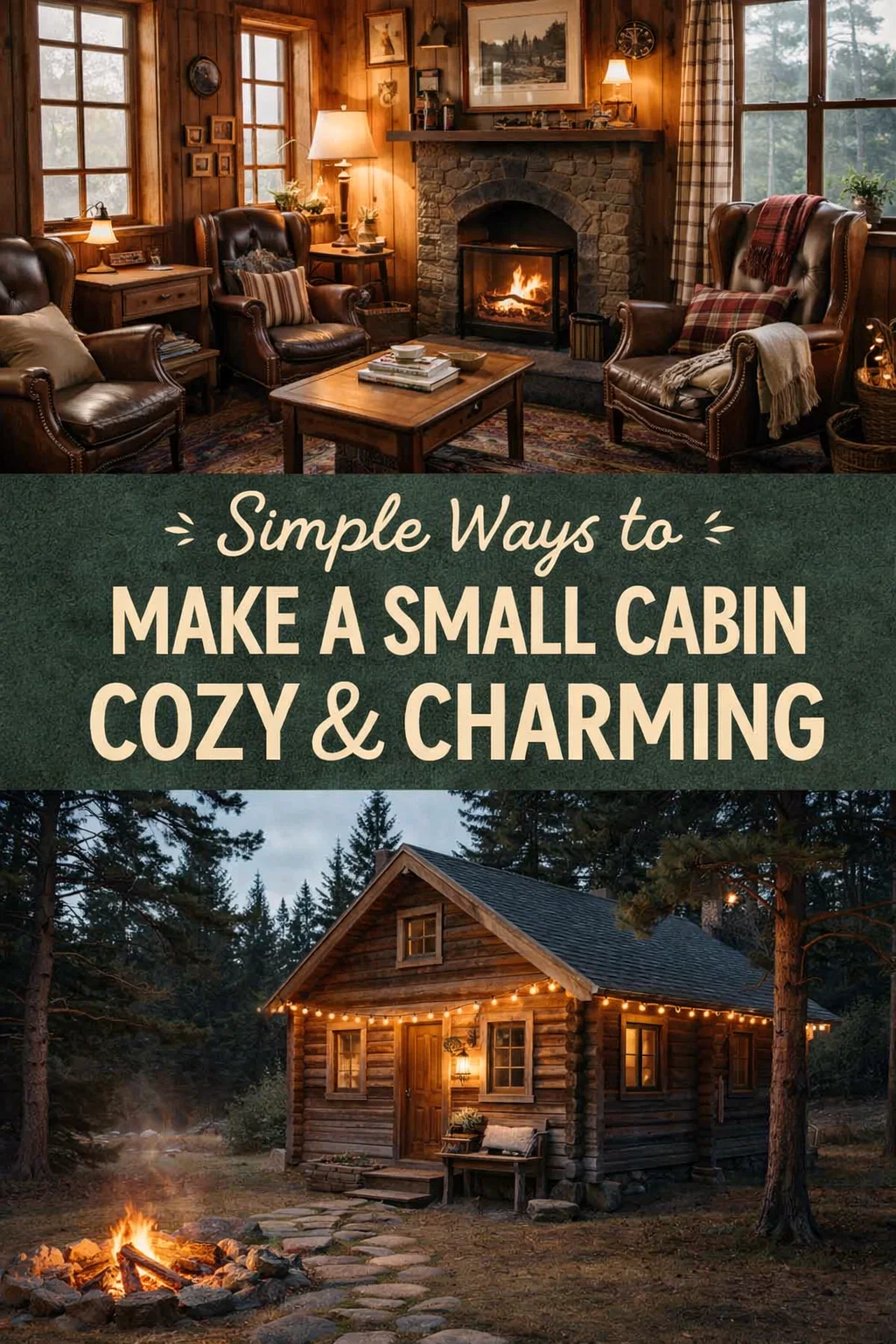
Stepping into a small vintage cabin feels like entering a different era where time slows down and the scent of aged pine fills the air. There is an undeniable magic in these compact timber structures, but bringing them into the modern world without losing their historical soul requires a delicate balance. Whether you have recently inherited a family heirloom property or purchased a rustic fixer upper, the journey of renovating a log home is one of the most rewarding interior design projects you can undertake. This guide explores how to maximize every square foot while leaning into the rugged, cozy aesthetic that makes cabin living so unique.
Embracing the Character of Natural Wood and Stone
The foundation of any successful vintage cabin renovation lies in honoring the original materials. Unlike modern drywall homes, log cabins possess a tactile quality that provides immediate warmth. When you begin your renovation, the first step is often assessing the condition of the logs. Instead of covering them up, consider professional corn cob blasting or sanding to reveal the fresh, golden hues hidden beneath decades of dust or dark stain. Applying a clear, breathable sealer can protect the wood while allowing the natural grain to remain the star of the show.
Complementing the wood with natural stone is a hallmark of the rustic aesthetic. If your cabin features a central fireplace, this is your focal point. Deep cleaning the masonry or even refacing a dated 1970s hearth with local river rock or flagstone can anchor the entire room. The goal is to create a space that feels like it grew directly out of the surrounding landscape. By sticking to a palette of earth tones, forest greens, and deep browns, you establish a visual connection between the interior comfort and the wild outdoors.
Creative Spatial Planning for Small Cabin Living
Small cabins often present a challenge when it comes to layout and flow. To add big charm to a limited footprint, you must think vertically and multi functionally. In the living area, choosing furniture with a smaller profile is essential. Instead of a massive sectional that swallows the room, opt for a pair of high quality leather armchairs and a slim loveseat. This creates a conversational circle around the fire without blocking the walkways.
Building In Storage and Seating
One of the best ways to save space in a vintage cabin is through built in solutions. Window seats with hidden storage underneath provide a cozy nook for reading while keeping clutter off the floor. In the kitchen, consider open shelving made from reclaimed barn wood. This keeps the space feeling airy and open compared to heavy upper cabinets. Every nook and cranny is an opportunity for a custom bookshelf or a peg rail for hanging lanterns and coats, ensuring that your cabin remains organized and functional despite its size.
The Power of Lighting in a Rustic Interior
Natural light is often a rare commodity in older log homes due to smaller window openings and deep porches. During your renovation, look for ways to brighten the space without compromising the cozy atmosphere. Swapping out heavy, dark drapes for light linen curtains allows sunlight to filter through while maintaining privacy. If the budget allows, adding a skylight or a sun tunnel can transform a dim loft into a bright, inviting sanctuary.
Layering Your Light Sources
Artificial lighting should be approached in layers to avoid a sterile environment. Start with warm toned LED bulbs to mimic the glow of candlelight. Wrought iron chandeliers or antler lamps provide a wonderful rustic touch as a primary light source. However, the real charm comes from accent lighting. Use adjustable floor lamps near reading chairs and small shaded lamps on side tables to create pockets of warmth. Dimmers are a cabin owner’s best friend, allowing you to transition from a bright morning workspace to a flickering, romantic evening retreat.
Curating a Vintage Aesthetic with Modern Comforts
A vintage cabin should feel like it has been curated over generations. This means mixing textures and eras to create a lived in look. Plaid wool blankets, faux fur throws, and kilim rugs are perfect for adding color and softness to the hard wood surfaces. These elements act as insulators, both literally and visually, making the room feel snug even when the snow is falling outside.
When selecting furniture, look for pieces that tell a story. An antique trunk used as a coffee table or a farmhouse dining table with a bit of a distressed finish fits the narrative perfectly. Don’t be afraid to mix in modern comforts where they matter most. High quality mattresses, updated kitchen appliances in a matte finish, and hidden smart home technology ensure that your cabin stays functional for the way we live today while looking like a timeless escape.
Renovating the Cabin Kitchen and Bath
The kitchen and bathroom are usually the areas that need the most work in an older cabin. In a small kitchen, a farmhouse sink made of fireclay or copper adds immediate vintage appeal. Pairing this with a bridge faucet in an oil rubbed bronze finish creates an authentic look. If you want to keep the rustic theme going, consider using butcher block countertops which are durable and age beautifully alongside log walls.
In the bathroom, the challenge is often moisture control in a wood heavy environment. Using slate tiles on the floor and waterproof backboards behind the shower is a must. A clawfoot tub is the ultimate luxury for a vintage cabin renovation, offering a nod to the past while providing a spa like experience. If space is tight, a walk in shower with a pebble floor can bring that outdoor essence inside while keeping the room feeling modern and clean.
Landscaping and Curb Appeal for the Log Home
The exterior of your cabin is the first thing guests see, and it sets the tone for the interior experience. Improving the curb appeal can be as simple as a fresh coat of stain on the logs and a pop of color on the front door. Deep forest green, navy blue, or even a muted barn red can make the entrance feel welcoming. Adding a sturdy porch bench and some hanging lanterns creates a transition zone where you can enjoy the fresh air.
Connecting the Indoors to the Outdoors
Landscaping for a cabin should be low maintenance and naturalistic. Use native plants that thrive in your climate to create a garden that looks like it belongs there. Stone pathways leading to a fire pit area or a small vegetable garden can expand your living space into the yard. When the interior of a small cabin is designed to flow seamlessly onto a well appointed porch or patio, the home feels much larger than its actual square footage.
The Importance of Insulation and Efficiency
Modernizing a vintage cabin also involves addressing the things you cannot see. Older log homes are notorious for air leaks. During your renovation, pay close attention to the chinking between the logs. Flexible, modern chinking materials expand and contract with the wood, preventing drafts and keeping out pests. Insulating the roof and floors can significantly lower heating costs and make the cabin much more comfortable during extreme weather.
Energy efficient windows that mimic the style of original multi pane windows are a great investment. They preserve the historic look while providing modern thermal protection. By taking the time to weatherize the structure properly, you ensure that your cozy retreat remains a sanctuary for many years to come, regardless of the temperature outside.
Wrapping Up Your Cabin Transformation
Renovating a small vintage cabin is a labor of love that requires patience and a keen eye for detail. It is about more than just painting walls or replacing floors; it is about preserving a specific feeling of peace and connection to nature. By focusing on authentic materials, smart spatial design, and warm lighting, you can turn a dated structure into a stunning showpiece of rustic living. Every choice you make, from the texture of the rugs to the finish on the door handles, contributes to the overall charm of the home.
The most successful renovations are those where the owners listen to the house. Let the logs dictate the layout, let the surrounding trees inspire the color palette, and let the history of the property guide your decorative choices. When you finish, you will have more than just a house; you will have a soulful escape that offers a respite from the fast paced modern world. Whether you are drinking coffee by the fire or watching the sunset from the porch, your renovated log home will be a testament to the timeless beauty of small cabin living.