
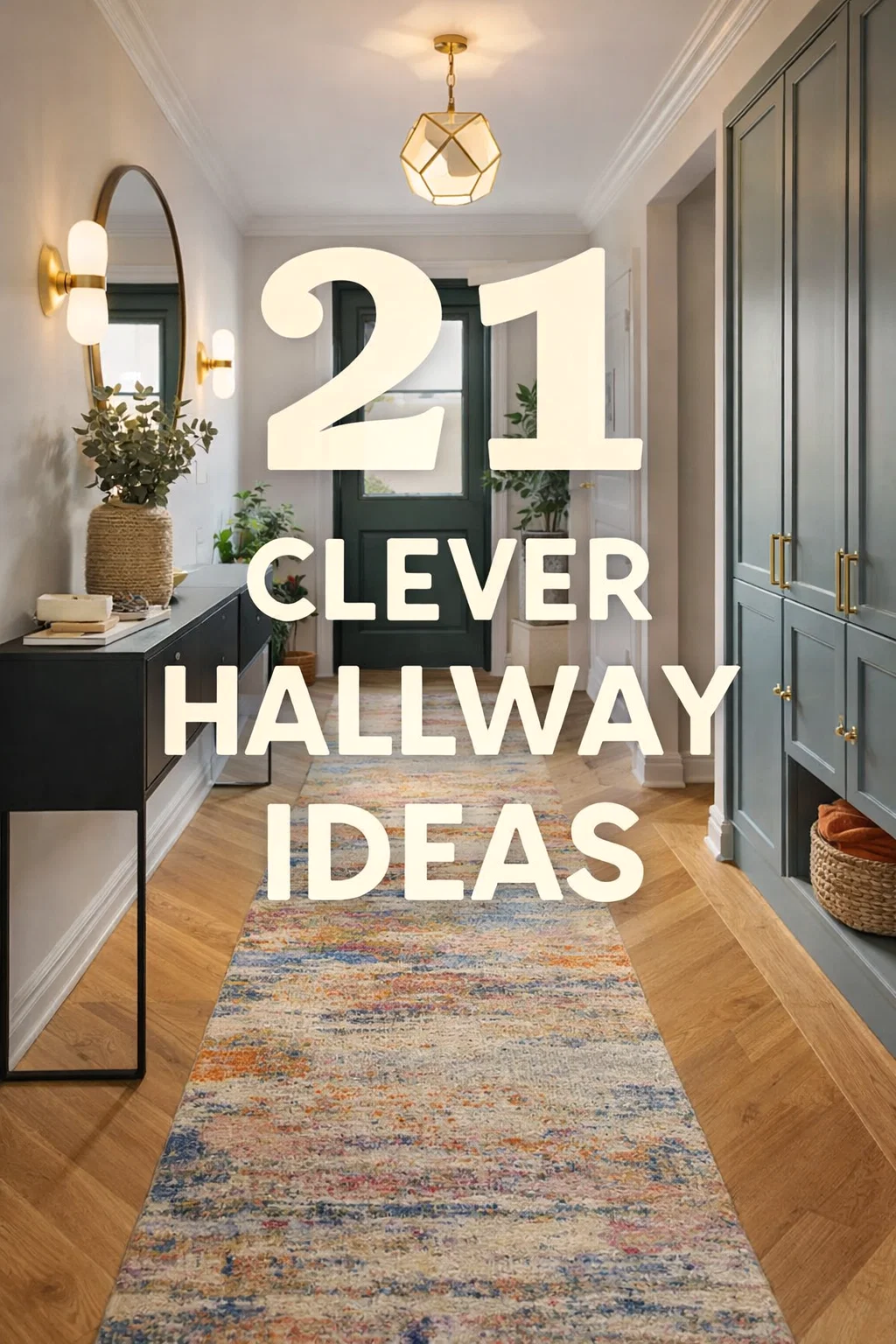
The hallway is often the most neglected part of a home. We treat it as a mere transition zone, a path to get from point A to point B, without ever stopping to consider its potential as a design powerhouse. When you look at the end of a hallway, you are looking at a blank canvas that sets the tone for the rooms it connects. A well-designed hallway doesn’t just improve the flow of your home; it adds layers of personality and warmth that make a house feel like a curated sanctuary. If you have been staring at a dull, empty corridor, it is time to unlock the hidden potential of your transition spaces.
Understanding the Psychology of Hallway Design
Before diving into specific decor items, it is important to understand why hallway design matters. The end of a corridor serves as a visual anchor. In interior design, this is often referred to as a terminal vista. Your eyes naturally gravitate toward the end of a long path, so whatever you place there will inevitably become a focal point. By intentionally styling this area, you can create a sense of depth and purpose.
A cluttered or dark hallway can make a home feel cramped and uninviting. Conversely, a hallway filled with light, soft textures, and thoughtful art can evoke a sense of calm and order. The goal is to create a seamless journey through your home where every turn offers something beautiful to look at. This approach to design ensures that no square inch of your property goes to waste.
Maximizing Light and Space in Narrow Entryways
One of the biggest challenges homeowners face is a narrow or dark hallway. Without windows, these spaces can feel subterranean. However, several clever design tricks can instantly brighten the area and make it feel more expansive.
The Power of Mirrors
As seen in many high-end interior designs, a large mirror is a secret weapon for small spaces. Placing a floor-to-ceiling mirror or a beautifully framed piece at the end of the hallway does two things. First, it reflects any available light from adjacent rooms, doubling the brightness. Second, it creates an optical illusion of more space, making the hallway appear as if it continues much further than it actually does. Choose a frame that matches your overall aesthetic, whether that is a sleek modern metal or a vintage-inspired wooden frame.
Strategic Lighting Choices
Lighting should never be an afterthought. Instead of relying on a single, harsh overhead bulb, consider layering your light sources. A woven pendant light can add a touch of organic texture while casting beautiful shadows. If space allows, a small table lamp on a console table provides a soft, warm glow that is much more inviting during the evening hours than bright ceiling lights.
Creating a Focal Point with Furniture
The end of a hallway is the perfect spot for a “moment” of furniture. Because these areas usually have low foot traffic, you can afford to place pieces that might be in the way in a busier room.
- The Classic Console Table: A slim console table is a versatile choice. It provides a surface for decorative objects, a bowl for keys, or a fresh vase of flowers. It also allows you to ground the space with something substantial without taking up too much floor area.
- A Cozy Reading Nook: If your hallway is wide enough or ends in a small landing, why not add a chair? A plush armchair paired with a small side table transforms a dead end into a functional retreat. It invites you to pause, sit, and relax, effectively adding a whole new “room” to your floor plan.
- Built-in Bench: For those who prefer a more streamlined look, a built-in bench with storage underneath is an excellent way to combine form and function. It provides a place to sit while putting on shoes and keeps clutter out of sight.
The Role of Color and Texture
The colors you choose for your hallway walls and floors dictate the mood. Many designers are moving away from stark white and toward softer, more sophisticated palettes. Soft sages, dusty blues, or even a bold terracotta can turn a hallway from a boring passage into a stunning gallery.
Layering Textiles
Floor runners are essential in hallway design. A long, patterned rug not only protects your hardwood floors but also adds a layer of comfort underfoot. A vintage-style rug with intricate patterns can introduce a splash of color and help hide the inevitable wear and tear of a high-traffic area. Beyond the floor, consider the curtains. If your hallway leads to a glass door or window, soft linen drapes can add a vertical element that draws the eye upward, making the ceiling feel higher.
Adding Natural Elements
Biophilic design is the practice of bringing the outdoors in, and hallways are perfect for this. A tall potted plant like a Fiddle Leaf Fig or a Snake Plant can thrive in a corner and bring a sense of life to the space. If the hallway lacks natural light, high-quality faux plants or dried floral arrangements in ceramic vases offer the same aesthetic benefit without the maintenance.
Using the Walls as a Gallery
Walls are your greatest asset in a hallway. Since there is limited floor space for decor, the vertical surfaces must do the heavy lifting. This is the ideal place to display your personality through art and photography.
The Gallery Wall Approach
A curated gallery wall can tell a story. You can mix and match family photos, abstract prints, and travel souvenirs. To keep it from looking cluttered, try to find a common thread. This could be a consistent color palette in the artwork or using the same style and color for all the frames. Hanging art at eye level ensures that guests can enjoy the pieces as they move through the house.
Bold Accent Walls
If a gallery wall feels like too much work, consider a bold accent wall at the very end of the hall. This could be a dramatic paint color, a textured wallpaper, or even wood paneling. This creates a “destination” at the end of the corridor, giving the eye a place to rest and admire.
Small Details that Make a Big Impact
Sometimes, it is the smallest touches that make a space feel complete. When styling the end of your hallway, pay attention to the hardware and accessories. Swapping out a generic door handle for a brass vintage-style lever can instantly elevate the look of the entire hallway.
Consider the “scent” of your home as well. A reed diffuser placed on a hallway shelf ensures that a pleasant aroma greets you as you move between rooms. These sensory details contribute to the overall feeling of a well-cared-for home. Additionally, don’t be afraid to display quirky items that spark joy. A unique lamp, a stack of your favorite books, or a small sculpture can serve as a conversation starter.
Functional Solutions for Busy Households
While aesthetics are important, functionality is key, especially for families. If your hallway is near an entryway, it needs to handle the chaos of daily life. Wall-mounted hooks are perfect for bags and coats, while a stylish wicker basket can hold umbrellas or shoes. The trick is to find functional items that also look beautiful. Choose hooks with an architectural shape or baskets with interesting weaves so they contribute to the decor even when they are in use.
Organization Tips for Hallways
- Use Vertical Space: Floating shelves are great for displaying decor without taking up floor space.
- Hidden Storage: Benches with flip-tops or console tables with drawers are perfect for hiding mail and miscellaneous items.
- Define Zones: Use different rugs to define where the “entryway” ends and the “hallway” begins.
Wrapping Up Your Hallway Transformation
Transforming the end of your hallway is one of the most rewarding home improvement projects you can undertake. It requires minimal investment but yields massive results in terms of how your home feels and functions. By focusing on a strong focal point, whether that is a piece of furniture, a bold piece of art, or a clever lighting fixture, you turn a forgotten corner into a highlight of your interior design.
Remember that design is a journey. You don’t have to get everything perfect on the first day. Start with a beautiful rug and a single piece of art, and then let the space evolve as you find pieces that resonate with you. The most important thing is to move away from treating your hallway as just a passage and start seeing it as an opportunity to express your style. With these tips and a bit of creativity, your hallway will become a space you actually want to linger in rather than just walk through. Happy decorating!