
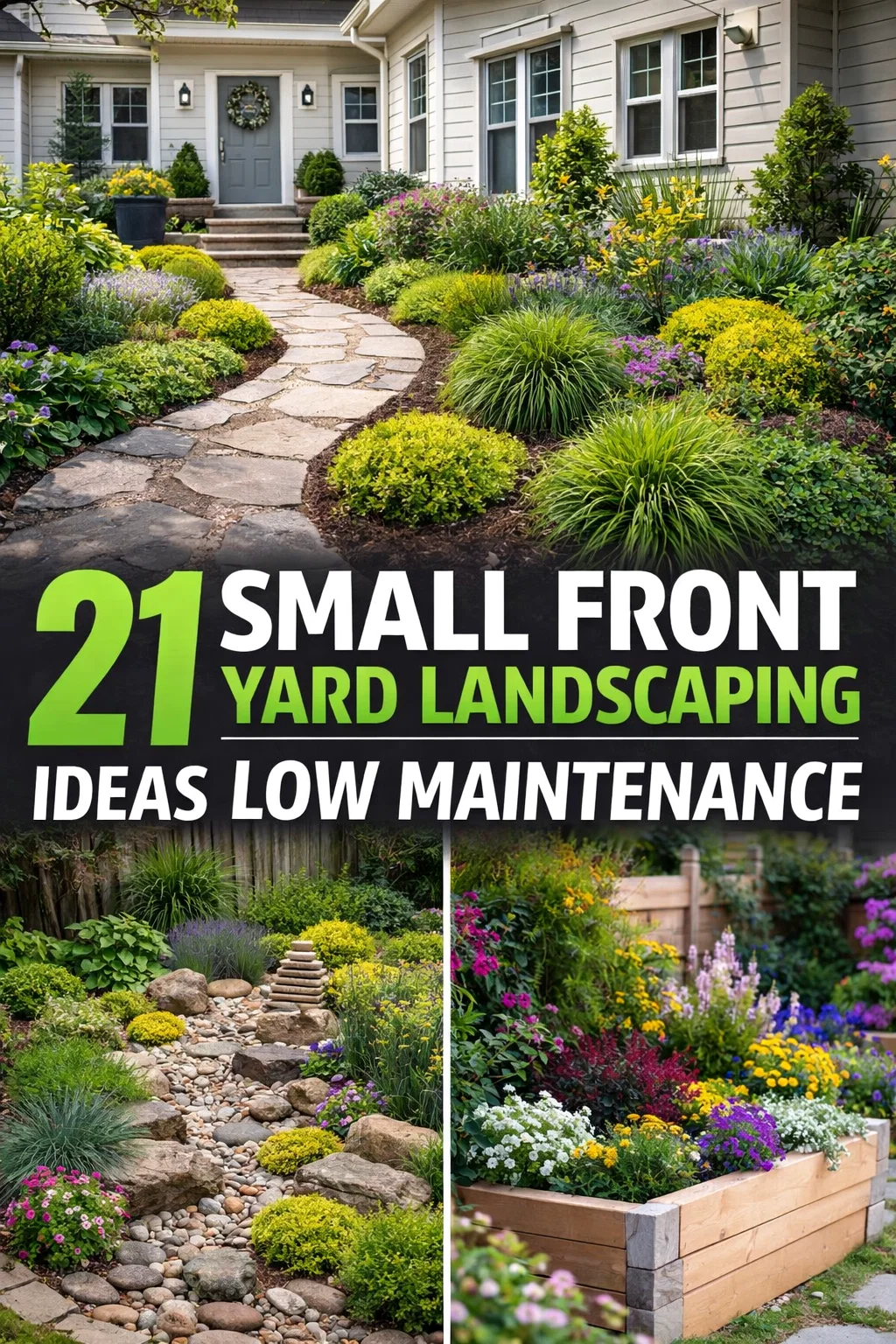
First impressions are everything when it comes to your home. Whether you are planning to sell in the near future or you simply want to enjoy a beautiful view every time you pull into your driveway, your front yard sets the stage for everything else. However, many homeowners feel overwhelmed by the prospect of landscaping. They worry about the high costs, the constant need for weeding, or the lack of space in a smaller suburban lot. The good news is that creating a stunning entrance does not require a massive acreage or a full time gardening staff. With a few smart design choices, you can transform a modest front yard into a low maintenance masterpiece that radiates curb appeal.
The secret to successful small yard landscaping lies in balance and texture. Instead of trying to cram every plant variety into a tiny space, focusing on a cohesive color palette and structural elements like stone paths and raised beds can create a sense of order and intentionality. By choosing hardy, perennial plants and incorporating hardscaping features, you can reduce your weekend chores while significantly increasing your property value. Let us dive into the essential strategies for creating a front yard that looks professionally designed without the professional price tag.
The Power of Hardscaping in Small Spaces
One of the most effective ways to reduce maintenance in a front yard is to swap out high effort lawn areas for hardscaping. Grass is notoriously demanding, requiring weekly mowing, fertilizing, and constant watering to stay green. In a small front yard, a large expanse of lawn can actually make the space feel smaller and more cluttered. By introducing structural elements like stone walkways, gravel beds, or rock gardens, you create a permanent framework that looks good all year round.
Designing a Welcoming Stone Path
A winding stone path is more than just a way to get from the sidewalk to your front door. It is a visual journey that guides the eye and adds a sense of depth to a shallow yard. Using natural flagstone or pavers set in a bed of pea gravel or mulch allows for excellent drainage and prevents the growth of weeds. A curved path, rather than a straight line, creates a more organic and relaxed feel, making even the smallest yard feel like a curated garden. To keep maintenance low, ensure the stones are level and use a high quality landscape fabric underneath to block unwanted growth.
Rock Gardens and Dry Creek Beds
If you have an area where grass refuses to grow or where water tends to pool, a rock garden or a dry creek bed is a perfect solution. These features use varying sizes of river rock, boulders, and pebbles to create visual interest. You can nestle drought tolerant succulents or ornamental grasses between the stones for a pop of life. The beauty of a rock garden is that it requires almost zero water and never needs to be mowed. It provides a rugged, natural aesthetic that complements both modern and traditional home styles.
Creating Vertical Interest with Raised Beds
When horizontal space is limited, you have to think vertically. Raised garden beds are a game changer for small front yard landscaping. They define the space, provide excellent drainage, and elevate your plants so they are easier to maintain. By building beds out of timber, stone, or concrete blocks, you create a clean border that separates your planting areas from your walkways or driveway.
Choosing the Right Materials for Your Beds
The material you choose for your raised beds will dictate the overall vibe of your landscape. Weathered wood or cedar provides a warm, rustic look that fits perfectly with cottage style homes. If your home has a more contemporary architecture, consider using smooth concrete blocks or sleek metal panels. Regardless of the material, raised beds keep soil contained and prevent grass from creeping into your flower beds, which is one of the biggest headaches in garden maintenance.
Layering Your Plantings
In a raised bed, layering is key. Start with taller shrubs or small ornamental trees at the back to provide a backdrop. In the middle, place medium height perennials like lavender or coneflowers that offer seasonal color. Finally, let trailing plants like creeping thyme or ivy spill over the edges of the bed. This cascading effect softens the hard lines of the planters and creates a lush, abundant look that feels much larger than it actually is.
Low Maintenance Plant Selection for Maximum Impact
The goal of a low maintenance front yard is to choose plants that thrive with minimal intervention. This means prioritizing native species and perennials that come back year after year. Avoid high maintenance annuals that need to be replaced every season and focus on plants that are naturally resistant to local pests and weather extremes.
The Beauty of Ornamental Grasses
Ornamental grasses are the unsung heroes of the low maintenance garden. They provide movement, texture, and year round interest with very little effort. Varieties like Blue Fescue, Fountain Grass, or Maiden Grass stay relatively compact and only require a single trim in the early spring. They are incredibly drought tolerant once established and provide a soft, airy contrast to the heavy lines of a house or a stone wall.
Evergreens for Constant Curb Appeal
A common mistake in landscaping is focusing only on summer blooms. This can leave your front yard looking barren and brown during the winter months. Incorporating small evergreens like Boxwoods, Dwarf Alberta Spruce, or Juniper ensures that your home always has a touch of green. These plants can be used to create formal hedges or left in their natural shapes for a more relaxed look. They provide the structural skeleton of your garden that holds everything together regardless of the season.
Drought Tolerant Perennials
Color is essential for curb appeal, but you do not want to be tethered to a garden hose all summer. Drought tolerant perennials like Lavender, Sedum, and Salvia are perfect for sunny front yards. Lavender, in particular, offers a wonderful fragrance and beautiful purple spikes that attract pollinators. Once these plants are established, they can handle long periods without rain, making them the ultimate choice for the busy homeowner.
Enhancing the Entrance with Focal Points
A well designed front yard should lead the eye toward the front door. Creating a clear focal point helps anchor the space and gives it a sense of purpose. This can be achieved through lighting, seating, or a statement plant.
The Impact of Outdoor Seating
Even if you do not plan on spending hours sitting in your front yard, adding a small wooden bench or a pair of Adirondack chairs can make your home feel more inviting. A bench tucked into a corner of the patio or placed under a shade tree suggests a lifestyle of relaxation and neighborliness. It breaks up the flat planes of the yard and provides a human element to the greenery.
Smart Lighting for Safety and Style
Landscaping should not disappear when the sun goes down. Low voltage LED lighting can highlight your favorite features and improve safety along paths. Solar powered stakes are a great low effort option for lining a walkway, while uplights can be used to showcase the texture of a stone wall or the canopy of a small tree. Soft, warm lighting creates a high end look that makes your home stand out in the neighborhood after dark.
Mulching and Ground Covers: The Finishing Touch
One of the best ways to keep weeds at bay and moisture in the soil is through the generous use of mulch. A thick layer of organic mulch, such as shredded bark or wood chips, gives the garden a finished, professional look. It helps regulate soil temperature and slowly adds nutrients back into the earth as it breaks down.
Choosing Between Wood and Stone
While wood mulch is popular, stone ground covers like lava rock or slate chips are even lower maintenance. They do not decompose, so you do not have to top them up every year. Stone is particularly effective in modern or desert inspired landscapes. If you prefer a living ground cover, plants like Pachysandra or Vinca Minor can fill in the gaps between shrubs, creating a green carpet that chokes out weeds naturally.
Defining Your Edges
A clean edge is what separates a DIY project from a professional landscaping job. Whether you use plastic edging, bricks, or simply a deeply cut trench, keeping a crisp line between your garden beds and your walkways or lawn is vital. It prevents grass from migrating and makes your maintenance tasks much simpler. A well defined edge allows you to quickly trim and move on, keeping the yard looking sharp with minimal effort.
Conclusion: Your Dream Front Yard Awaits
Transforming your small front yard into a beautiful, low maintenance space is entirely within reach. By moving away from high maintenance lawns and embracing the structural beauty of hardscaping, raised beds, and hardy perennials, you can create a landscape that works for you rather than the other way around. Remember that great design is not about how much money you spend, but about how thoughtfully you arrange your elements. Focus on texture, plan for the seasons, and choose plants that love your local climate. With these strategies in place, your home will boast incredible curb appeal that greets you with beauty every single day. Start small, plan carefully, and watch as your front yard becomes the highlight of the neighborhood.