
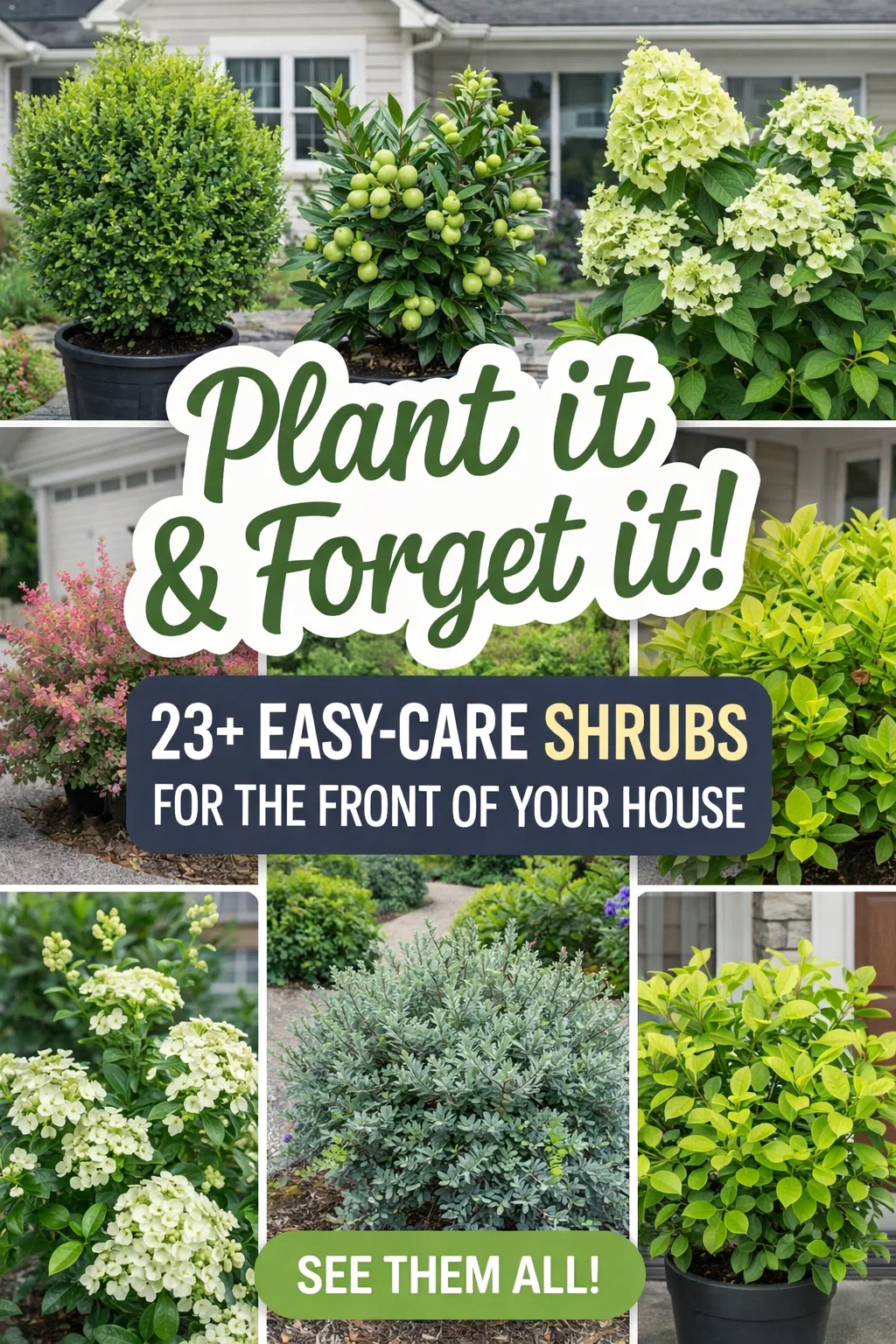
Creating a beautiful home exterior doesn’t have to mean spending every weekend with a pair of pruning shears and a heavy watering can. For many homeowners, the dream is a lush, welcoming front yard that looks professionally landscaped but requires almost zero daily effort. This is where the magic of low-maintenance shrubs comes into play. By choosing the right varieties, you can effectively plant it and forget it, allowing nature to do the heavy lifting while you enjoy the enhanced curb appeal of your property.
The Secret to Low Maintenance Front Yard Landscaping
The key to a successful simple landscaping project is focusing on hardy, resilient plants that are known for their ability to thrive in various conditions. When we talk about low maintenance, we are looking for shrubs that have a slow growth rate, are resistant to local pests, and can handle a bit of neglect. The goal is to create a structured look that stays neat throughout the seasons without needing constant intervention. This approach not only saves you time but also ensures that your home looks well-kept even during your busiest weeks.
Understanding Your Planting Zone
Before you head to the local nursery, it is vital to understand your specific hardiness zone. A shrub that is low maintenance in a coastal environment might struggle and require constant care in a dry, mountainous region. By selecting plants that are native or well-adapted to your specific climate, you reduce the need for supplemental watering and chemical fertilizers. This is the first step in creating a truly sustainable and easy-to-manage front yard.
Top Low Maintenance Shrubs for Instant Curb Appeal
There are several standout varieties that professional landscapers turn to time and again for front yard projects. These plants provide a mix of texture, color, and height, allowing you to create a layered look that feels expensive and intentional.
Boxwood Varieties for Classic Structure
Boxwoods are the gold standard for front yard landscaping because they offer a clean, architectural look. Whether you keep them in their natural rounded shape or trim them into formal hedges, they provide a deep green backdrop that lasts all year. Many modern cultivars are bred to stay compact, meaning you only have to touch them with shears once a year to maintain their tidy appearance.
Hydrangeas for Seasonal Color
While some flowering plants are finicky, certain hydrangea varieties like the Panicle or Smooth hydrangea are incredibly forgiving. They offer massive, show-stopping blooms that can transition from creamy white to pink or lime green as the season progresses. These shrubs are excellent for adding a soft, cottage-core feel to the front of your house without the high-stress demands of traditional rose bushes.
Dwarf Conifers and Evergreens
If you want color that never fades, dwarf evergreens are your best friend. Plants like the Blue Star Juniper or Bird’s Nest Spruce grow very slowly and maintain their unique shapes and colors through the harshest winters. They provide excellent contrast against the siding of your home and require virtually no pruning at all.
Designing Your Front Yard Layout
A simple front yard doesn’t mean a boring one. The trick is to use a limited palette of plants but arrange them in a way that creates visual interest and depth. You want to guide the visitor’s eye toward your front door, creating a path that feels natural and welcoming.
The Rule of Three and Layering
In landscaping, grouping plants in odd numbers usually creates a more natural and pleasing aesthetic. Try layering your shrubs by height. Place taller varieties like Lilacs or taller Boxwoods near the foundation of the house or at the corners. In front of those, place mid-sized shrubs with interesting foliage, and finish the edge with low-growing groundcovers or perennials. This staggered approach hides the soil and prevents weeds from taking hold, which is a major win for the low-maintenance gardener.
Using Mulch as a Design Element
Never underestimate the power of a fresh layer of mulch. Beyond its aesthetic benefits, mulch is a functional tool that suppresses weed growth and retains moisture in the soil. For a simple front yard, choosing a dark wood mulch can make the green of your shrubs pop, giving the entire space a polished and professional finish with very little cost.
Tips for Long Term Success with Minimal Effort
Even though we are aiming for a plant it and forget it garden, the first few weeks are crucial for the long-term health of your shrubs. Following a few simple steps during the installation phase will set your garden up for years of independence.
- Deep Watering at Planting: When you first put your shrubs in the ground, give them a deep soak. This encourages roots to grow downward rather than staying near the surface, making the plants more drought-tolerant in the future.
- Automated Irrigation: If you really want to forget about maintenance, consider installing a simple drip irrigation system with a timer. This ensures your plants get exactly what they need without you ever having to pull out the hose.
- Right Plant, Right Place: Ensure that sun-loving shrubs are in bright areas and shade-tolerant varieties are tucked under trees or porch eaves. Putting a plant in the wrong light conditions is the fastest way to turn a low-maintenance shrub into a high-maintenance problem.
The Importance of Soil Health
Healthy soil produces healthy plants. Adding a bit of organic compost to the hole when you plant your shrubs provides a slow-release food source that can last for months. By building a strong foundation, you ensure that your shrubs have the nutrients they need to resist disease and pests naturally, reducing the need for you to intervene with sprays or treatments later on.
Common Mistakes to Avoid in Simple Landscaping
One of the biggest mistakes homeowners make is buying plants based on how they look in the small pots at the store. Always check the tag for the mature size of the shrub. If you plant a shrub that eventually grows ten feet wide in a space that is only three feet wide, you will be forced to prune it constantly just to keep your walkway clear. By choosing dwarf or compact varieties that fit your space perfectly at maturity, you eliminate the need for heavy pruning entirely.
Avoiding Over-Crowding
It can be tempting to pack plants tightly together to get an instant full look, but this often leads to poor air circulation and competition for nutrients. Space your shrubs according to their recommended guidelines. While the yard might look a little sparse for the first season, within two or three years, the plants will fill in perfectly, creating a lush and healthy landscape that doesn’t suffer from the fungal issues common in overcrowded gardens.
Conclusion: Enjoying Your Stress-Free Sanctuary
Investing a little bit of time in planning and selecting the right low-maintenance shrubs will pay off for years to come. By focusing on hardy varieties and smart layout choices, you can create a front yard that enhances your home’s value and provides a beautiful welcome every time you pull into the driveway. Simple landscaping is about working with nature instead of against it. Once your shrubs are established in their new home, you can truly sit back, relax, and forget it, knowing that your curb appeal is handled. Start small, choose plants you love, and watch as your front yard transforms into a gorgeous, easy-to-care-for sanctuary.