
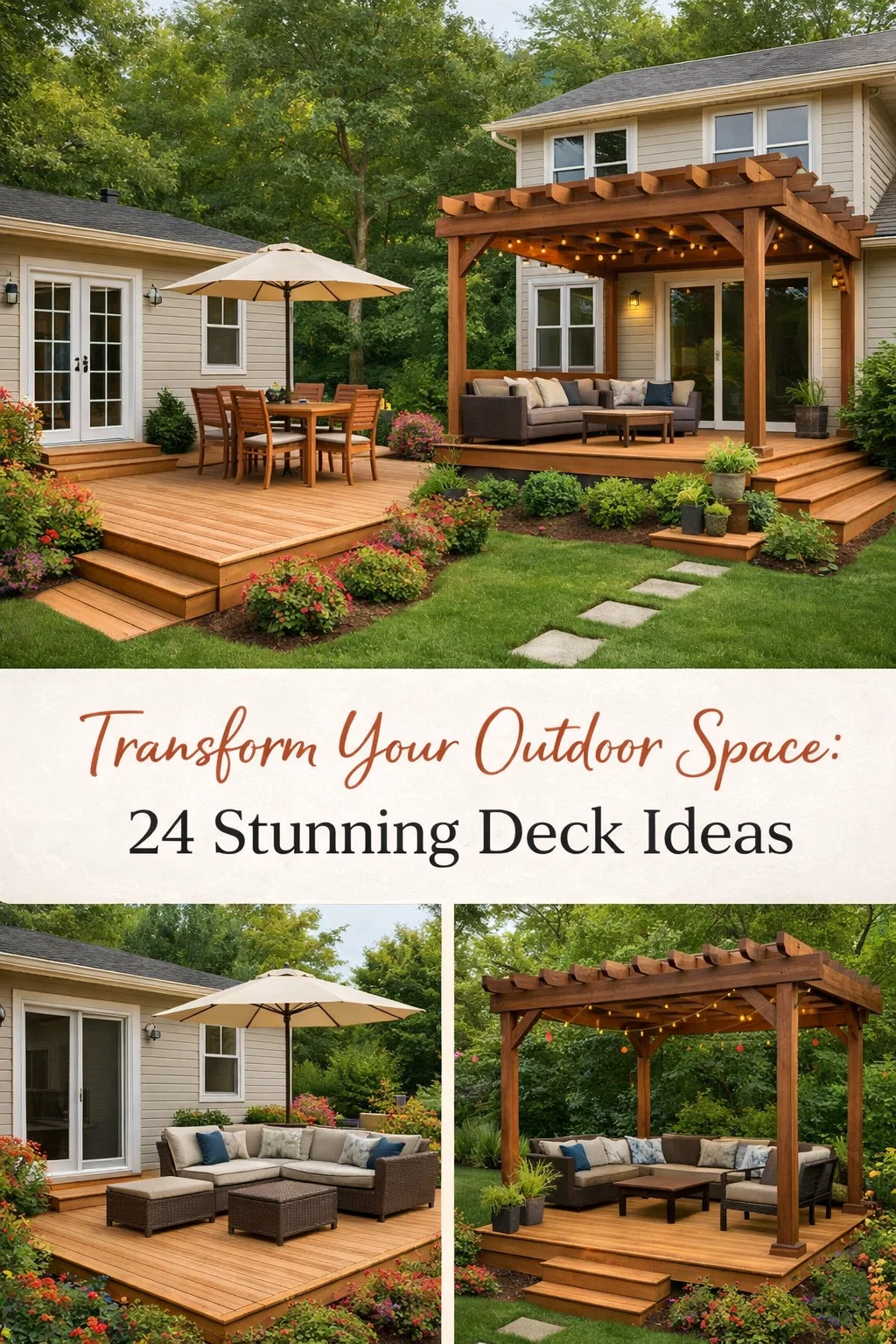
Stepping out of your back door should feel like entering a personal sanctuary. Whether you are sipping your first cup of coffee in the morning light or hosting a lively dinner party under the stars, your backyard deck is the stage where your best outdoor memories are made. As we look at the growing trend of functional outdoor living, it is clear that the traditional square wooden platform is evolving into something much more sophisticated. Today, we are exploring how a well designed deck can completely transform your lifestyle and the value of your home.
Designing a Deck That Complements Your Architecture
One of the most important aspects of a successful backyard transformation is ensuring that the deck feels like a natural extension of your house rather than a random addition. When you look at professional designs, you will notice they often mimic the lines and colors of the home siding or trim. If your house has a modern aesthetic, clean lines and glass railings might be the way to go. For more traditional homes, rich wood tones and classic white railings provide a timeless appeal.
The transition between the indoors and outdoors is crucial. Using large sliding glass doors or French doors that open directly onto a level deck surface creates a seamless flow. This makes your living room feel twice as large and encourages you to spend more time breathing in the fresh air. By matching the floor height of the deck to the interior floor, you eliminate tripping hazards and create a professional, high end look that buyers absolutely love.
Choosing the Right Materials for Longevity
When planning your deck, you have to decide between natural wood and composite materials. Pressure treated pine is the most budget friendly option and offers that classic wood scent and feel. However, it requires annual maintenance like staining and sealing to prevent rot and warping. If you want a more luxurious natural wood, Ipe or Cedar are fantastic choices because they have built in resistance to insects and decay.
On the other hand, composite decking has taken the industry by storm. Made from a blend of wood fibers and recycled plastic, composite boards are nearly indestructible. They do not splinter, they never need staining, and they come in a variety of colors that look remarkably like real wood. While the initial investment is higher, the time you save on maintenance over the next twenty years makes it a favorite for busy homeowners who just want to relax on their weekends.
Creating Defined Zones for Better Functionality
A common mistake in deck design is creating one giant, empty space. To make a deck feel cozy and functional, you should think about it in terms of rooms. Just as your house has a kitchen, a dining room, and a living room, your deck should have dedicated zones for different activities.
The Dining Zone: This area should be located closest to the house or the outdoor grill. Use a sturdy table that can withstand the elements and ensure there is enough clearance behind the chairs so people can walk past comfortably while others are eating.
The Lounge Zone: This is where the comfort happens. Sectional outdoor sofas, deep seated armchairs, and coffee tables belong here. This area is often best placed further away from the door to create a sense of destination and privacy within your own yard.
The Power of Vertical Elements
To take a deck from basic to breathtaking, you need to add vertical interest. A flat deck can sometimes look a bit two dimensional. This is where structures like pergolas and gazebos come into play. A pergola does more than just provide a bit of shade; it creates an overhead “ceiling” that makes the outdoor space feel intimate and structured. You can hang string lights, climbing vines, or even outdoor curtains from a pergola to add texture and a sense of luxury.
If a permanent structure is not in the cards, high quality cantilever umbrellas are a great alternative. They provide massive amounts of shade and can be moved as the sun shifts throughout the day. The goal is to break up the horizon line and provide a sense of enclosure that makes you feel tucked away from the rest of the world.
Landscaping Integration and Finishing Touches
A deck should not sit like an island in the middle of a sea of grass. To truly transform your outdoor space, you must integrate landscaping into the deck design. Tiered steps are a brilliant way to achieve this. Instead of one long flight of stairs, use wide, shallow platforms that lead down to the garden. These platforms can double as extra seating during large parties and provide the perfect spot for oversized potted plants.
Speaking of plants, greenery is the secret ingredient to a beautiful deck. Built in planters can be used to create natural privacy screens using tall grasses or bamboo. Surrounding the base of the deck with flowering shrubs like hydrangeas or lavender helps to soften the hard edges of the wood and makes the structure feel like it grew right out of the earth. The contrast between the warm wood tones and the vibrant green foliage is always a winning combination.
Lighting for Ambience and Safety
Your deck’s usability should not end when the sun goes down. In fact, many people find their deck most enjoyable in the evening. Lighting plays a dual role here. First, it is a safety feature. Recessed lights in the stair treads and small LED lamps on the railing posts ensure that guests can navigate the space without any accidents. Second, lighting creates the mood.
Edison style string lights draped over a seating area provide a festive, bistro like vibe. For a more sophisticated look, consider low voltage landscape lighting that shines upward into the trees surrounding the deck or highlights the architectural features of the pergola. The key is to use warm white bulbs rather than cool blue tones to keep the atmosphere inviting and cozy.
Maximizing Small Spaces with Smart Design
You do not need a massive backyard to have an incredible deck. Some of the most charming designs are found in small city lots. In these cases, every square inch counts. Built in benches are a lifesaver in small spaces because they provide plenty of seating without the footprint of bulky furniture. Using light colored wood or composite can also help a small deck feel more open and airy.
Another trick for small decks is to use glass or cable railings. These options provide safety without blocking the view of the yard beyond. When your eyes can see through the railing to the grass and trees, the deck feels much larger than it actually is. Keeping the decor minimal and choosing multi functional furniture, such as an ottoman that doubles as a storage crate, will ensure the space remains clutter free and relaxing.
Conclusion: Your Dream Deck Awaits
Building or renovating a deck is one of the most rewarding home improvement projects you can undertake. It is an investment in your home value, certainly, but more importantly, it is an investment in your quality of life. By focusing on smart zoning, choosing durable materials, and adding those all important finishing touches like lighting and greenery, you create a space that draws you outside every single day.
Take the time to look at your backyard and imagine the possibilities. Whether you envision a grand multi level masterpiece or a simple, elegant platform for quiet reflection, the perfect deck is the one that fits your unique needs and style. Start small if you have to, but start today. Your future self, lounging comfortably in the fresh air with a good book and a cold drink, will definitely thank you for it.