
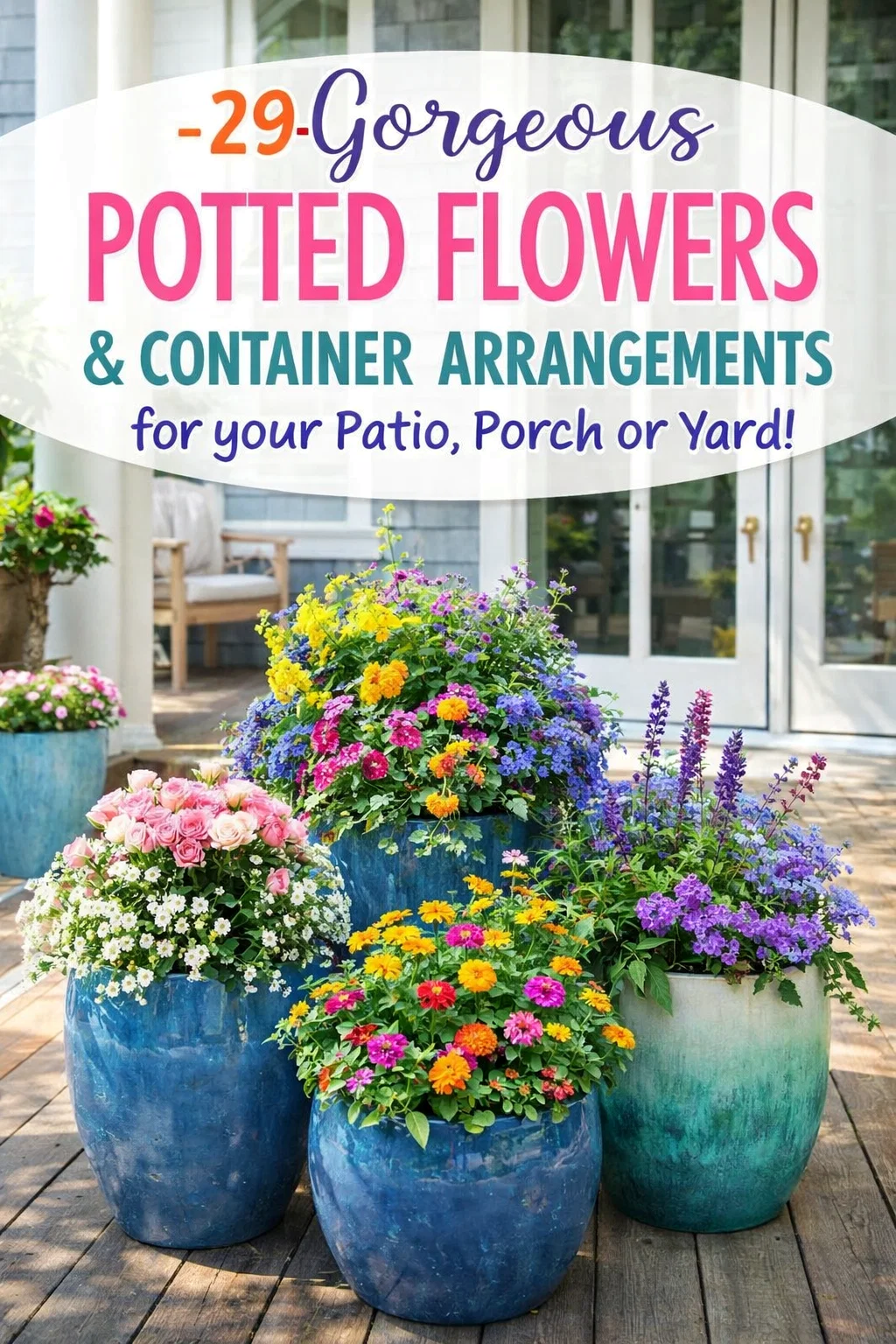
Transforming your outdoor living space often begins with the first thing people see when they arrive at your home: the front porch. A well-designed porch serves as a transition between the public world and your private sanctuary, and nothing bridges that gap more beautifully than vibrant, lush container gardens. Whether you have a sprawling wrap-around veranda or a cozy urban stoop, the right arrangement of potted flowers can instantly elevate your curb appeal and provide a daily dose of joy as you step through your front door.
Container gardening is an art form that allows for endless creativity. Unlike traditional garden beds, planters give you total control over soil quality, moisture levels, and placement. This flexibility means you can swap out seasonal blooms, experiment with exotic textures, and create focal points that guide the eye toward your home’s best architectural features. In this guide, we will explore how to master the art of the porch planter, from choosing the right vessels to selecting the perfect plant combinations for every season.
The Foundations of Great Container Design
Before you get your hands dirty, it is essential to understand the basic principles that make a container arrangement look professional. Most garden designers follow a simple but effective formula known as the Thriller, Filler, and Spiller technique. This approach ensures that your planter has height, volume, and movement, creating a balanced look that feels full and intentional.
Understanding the Thriller, Filler, and Spiller Method
The Thriller is the star of the show. This is typically a tall, upright plant placed in the center or at the back of the pot to provide vertical interest. Think of ornamental grasses, tall spikes of snapdragons, or even architectural plants like Canna lilies. The Thriller draws the eye upward and gives the arrangement its structure.
Next comes the Filler. These are mounding plants that surround the Thriller, making the pot look lush and dense. Fillers are usually mid-sized flowers or foliage plants like zinnias, geraniums, or coleus. They occupy the space between the tall center and the edge of the pot, providing the bulk of the color and texture.
Finally, we have the Spiller. These are trailing plants that tumble over the edges of the container, softening the hard lines of the pot and grounding the entire arrangement. Sweet potato vines, ivy, and wave petunias are classic choices that add a romantic, cascading effect to your porch display.
Choosing the Perfect Planters for Your Style
The container itself is just as important as the plants inside. Your choice of planter sets the tone for your porch aesthetic. If you are going for a modern, minimalist look, large white or charcoal ceramic pots with clean lines work beautifully. For a more rustic or farmhouse feel, consider using wooden whiskey barrels, aged terracotta, or galvanized metal buckets.
Material Matters for Plant Health
Beyond aesthetics, the material of your pot affects how your plants grow. Terracotta is breathable but dries out quickly, making it ideal for drought-tolerant plants like lavender and rosemary. Plastic and glazed ceramic pots retain moisture longer, which is perfect for thirsty annuals like impatiens or fuchsias. Always ensure that whatever vessel you choose has adequate drainage holes at the bottom to prevent root rot.
Scaling Your Containers to Your Space
One common mistake is using pots that are too small for the space. On a front porch, scale is everything. Tiny pots can look cluttered and get lost in the landscape. Large, oversized planters make a bold statement and actually require less frequent watering because they hold a larger volume of soil. If you have a wide set of stairs, placing a large planter on every other step can create a stunning, tiered floral waterfall effect.
Top Plant Combinations for Every Exposure
The success of your porch garden depends heavily on matching your plants to the amount of light your porch receives. A north-facing porch might be in deep shade most of the day, while a south-facing porch could be baking in intense afternoon sun. Choosing plants that thrive in your specific micro-climate is the secret to a long-lasting display.
Best Plants for Sun-Drenched Porches
If your porch gets six or more hours of direct sunlight, you need heat-loving plants that can stand the intensity. Zinnias and Marigolds are fantastic choices because they come in a wide range of fiery oranges, yellows, and pinks, and they bloom continuously throughout the summer. For a touch of elegance, consider Echinacea (Coneflowers) or Black-eyed Susans, which add a prairie-inspired charm to your containers.
Lush Ideas for Shady Entries
Shaded porches are the perfect place to focus on foliage and delicate blooms. Begonias are the royalty of the shade garden, offering waxy leaves and stunning flowers in shades of red, white, and apricot. Coleus is another essential for shade, providing incredible leaf patterns and colors that range from lime green to deep burgundy. You can also add ferns for a classic, southern porch vibe that feels cool and refreshing even on the hottest days.
The Beauty of Edible Container Gardens
Who says porch planters can only be about flowers? Integrating herbs and vegetables into your front porch display is a growing trend that combines beauty with utility. Many herbs are naturally ornamental and offer wonderful scents that greet you every time you walk through the door.
Fragrant Herb Arrangements
Lavender and Rosemary make an incredible duo for sunny porches. Not only do they have beautiful silvery-green foliage, but they also release a calming aroma when brushed against. You can mix these with flowering annuals or keep a dedicated herb pot near your entrance for easy harvesting. Thyme and Oregano make excellent Spillers, gracefully draping over the sides of a stone or clay pot.
Mixed Ornamental and Edible Pots
Try mixing Swiss chard with its bright colorful stems among your petunias, or plant trailing cherry tomatoes in a large hanging basket. This approach creates a cottage garden feel that is both functional and visually intriguing. It encourages a closer connection to your food and makes the most of every square inch of your outdoor space.
Seasonal Transitions: Keeping Your Porch Fresh Year-Round
The best part of container gardening is the ability to change your look with the seasons. As the weather shifts, so should your porch decor. This keeps your home looking vibrant and in tune with the natural world.
Spring Awakening and Summer Brilliance
In the spring, start with cold-hardy pansies, violas, and bulbs like tulips or daffodils. As the heat of summer arrives, swap these out for high-energy tropicals like hibiscus or mandevilla. Summer is the time to go bold with color, using bright pinks, purples, and yellows to mirror the intensity of the season.
Autumn Warmth and Winter Structure
When fall rolls around, embrace the harvest palette. Replace tired summer annuals with mums, ornamental kale, and peppers. You can even tuck small pumpkins and gourds into the base of your planters for an instant autumn update. For winter, focus on evergreen boughs, red twig dogwood branches, and pinecones. Even if nothing is actively growing, these structural elements provide color and interest against the winter landscape.
Maintenance Tips for Thriving Containers
Even the most beautiful arrangement will struggle without proper care. Because plants in pots have limited access to soil and water, they rely entirely on you for their survival. Follow these simple steps to keep your porch looking like a professional botanical garden.
- Consistent Watering: Check your pots daily. During the height of summer, some containers may need watering twice a day. Stick your finger an inch into the soil; if it feels dry, it is time to water.
- Fertilizing: Containers lose nutrients quickly due to frequent watering. Use a water-soluble fertilizer every two weeks to keep your blooms prolific and your foliage green.
- Deadheading: Pinch off faded flowers regularly. This prevents the plant from putting energy into seed production and encourages it to grow more buds.
- Soil Quality: Always use a high-quality potting mix rather than garden soil. Potting mix is lighter, provides better aeration, and is usually sterilized to prevent soil-borne diseases.
Creating a Welcoming Atmosphere
Ultimately, your front porch planters are about more than just gardening; they are about creating an atmosphere. They tell your neighbors and guests that you take pride in your home and that they are welcome there. By carefully selecting your colors and textures, you can create a mood that ranges from playful and energetic to calm and sophisticated.
Do not be afraid to experiment with height and layering. Place a large pot on the ground, a medium pot on a small stool, and a smaller pot on a table to create a vignette that feels curated and cozy. Use lighting to your advantage by placing solar-powered spotlights in your planters to illuminate your flowers after the sun goes down. These small details make a massive difference in how your home is perceived at night.
Wrapping Up Your Porch Transformation
Starting a front porch container garden is one of the most rewarding home improvement projects you can undertake. It requires relatively little investment but pays off immensely in terms of aesthetics and personal satisfaction. By applying the principles of design, choosing the right plants for your light conditions, and maintaining them with care, you can create a stunning entrance that evolves throughout the year.
Take inspiration from the colors of nature and the architecture of your home. Whether you choose a symmetrical look with matching pots flanking the door or a whimsical collection of various sizes and shapes, your porch will become a highlight of your neighborhood. So grab your gloves, pick out some beautiful blooms, and start planting your way to a more beautiful home today.