
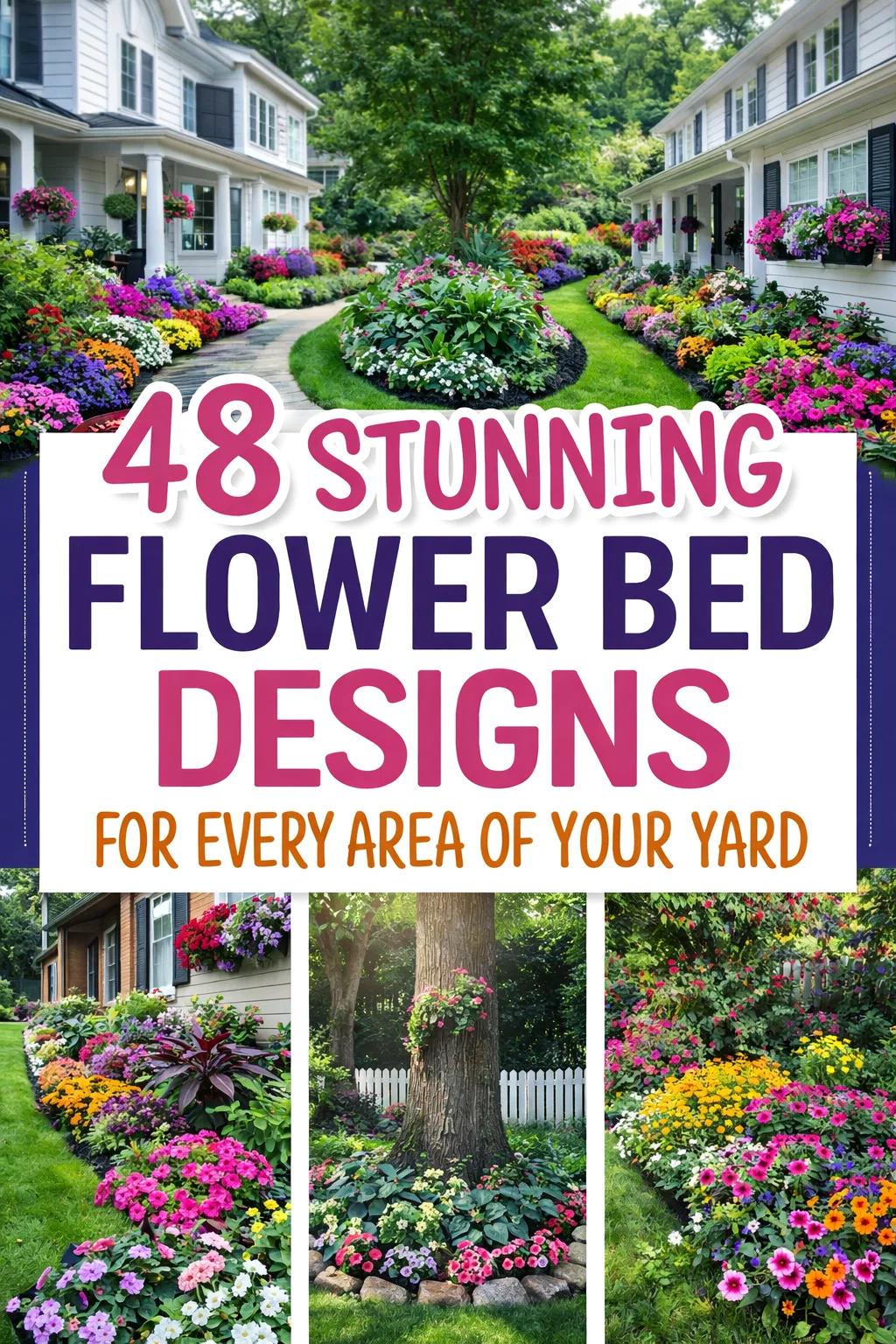
Transforming your home into a visual masterpiece often begins exactly where the sidewalk ends. Your front yard is more than just a patch of grass; it is the first impression you give to the world and the daily greeting you receive when you return home. Creating a stunning flower bed is the most effective way to elevate your curb appeal, adding value to your property and a sense of joy to your neighborhood. Whether you are working with a sprawling estate or a cozy cottage entry, the right combination of colors, textures, and structures can turn a basic lawn into a botanical sanctuary.
Understanding the Basics of Flower Bed Design
Before you pick up a shovel, it is essential to understand the fundamental principles that govern a successful garden layout. Professional landscapers do not just throw plants into the dirt; they follow a blueprint of height, color theory, and seasonal interest. The image of a perfect flower bed often features layering, which ensures that every plant has its moment to shine without being overshadowed by its neighbors.
The Rule of Three: Height and Layering
One of the most important concepts in garden design is the three tier approach. You want to place your tallest plants, such as ornamental grasses, tall perennials like Foxgloves, or small shrubs, at the back of the bed or against the house wall. The middle layer should consist of medium height plants that provide the bulk of the color, such as Echinacea or Salvia. Finally, the front border should be reserved for low growing groundcovers or spilling annuals like Petunias and Alyssum. This creates a staircase effect that draws the eye upward and makes the garden feel full and lush.
Choosing a Color Palette for Impact
Color is the most immediate way to set a mood. If you want a garden that feels energetic and bright, look toward warm tones like red, orange, and yellow. These colors pop against green foliage and catch the eye from a distance. For a more serene and sophisticated look, a cool palette of blues, purples, and whites is ideal. Monochromatic gardens, such as an all white Moon Garden, can look incredibly high end and modern, especially when paired with dark mulch and crisp stone edging.
Defining Your Garden Style
Every home has an architectural personality, and your flower beds should complement that style. A modern minimalist home might look best with structured, symmetrical beds and limited plant varieties. On the other hand, a traditional or Victorian home is the perfect backdrop for a chaotic and charming English cottage garden.
The Classic Cottage Garden
Cottage gardens are characterized by their abundance. They are less about strict lines and more about a dense, romantic overflow of blooms. Think of climbing roses on a trellis, spilling lavender over the edges of a stone path, and a mix of heights that feel organic and wild. This style is perfect for homeowners who love a variety of flowers and do not mind a bit of joyful clutter in their landscape.
Formal and Symmetrical Landscaping
If you prefer a clean and organized look, formal landscaping is the way to go. This often involves straight lines or perfectly curved arcs, mirrored planting on either side of a walkway, and the use of evergreen boxwoods to provide year round structure. Symmetrical beds create a sense of balance and order that is very pleasing to the eye and works exceptionally well for colonial or ranch style homes.
Innovative Flower Bed Shapes and Edging
The shape of your flower bed can be just as impactful as the plants within it. While many people default to simple rectangles along the foundation of the house, breaking away from standard shapes can add significant visual interest to your yard.
Curved vs. Straight Lines
Curved flower beds are excellent for softening the harsh angles of a house and creating a more natural, flowing look. A gentle S curve along a front walkway invites visitors to linger and enjoy the view. Straight lines, conversely, offer a crisp and modern aesthetic. They work well in tight spaces or when you want to emphasize the architectural lines of your porch or driveway.
The Importance of Clean Edging
Edging is the finishing touch that separates the garden from the lawn. It keeps grass from encroaching on your flowers and provides a professional look. You can use various materials for edging, including:
- Natural Trenching: A simple hand cut edge that provides a clean, deep look.
- Stone or Brick: Durable and classic, these materials add a permanent structural element.
- Plastic or Metal Edging: Low profile options that are great for keeping lines sharp without being visible.
- Wood Borders: Ideal for a rustic or farmhouse feel.
Planting for the Seasons
The biggest mistake many beginners make is planting for a single season. A flower bed that looks amazing in June might look bare and brown in November. To avoid this, you need a mix of perennials, annuals, and evergreens.
Perennials: The Backbone of Your Garden
Perennials are plants that come back year after year. They are an investment in your garden’s future. While they often have a shorter bloom time than annuals, their foliage and varying bloom schedules provide a reliable foundation. Popular choices include Hostas for shade, Peonies for spring drama, and Sedum for late summer interest.
Annuals: The Seasonal Color Boost
Annuals live for only one season, but they pack a massive punch. They are the workhorses of the garden, blooming continuously from spring until the first frost. Use annuals like Marigolds, Petunias, and Zinnias to fill in gaps between your perennials and to provide consistent color throughout the hottest months of the year.
Evergreens and Winter Interest
Do not forget about the winter months. Incorporating small evergreen shrubs like dwarf conifers, hollies, or yews ensures that your flower beds still have structure and green color even when the snow is on the ground. Ornamental grasses also provide great winter interest, as their dried plumes dance in the wind and provide texture during the colder months.
Maintenance Tips for a Flourishing Garden
A beautiful flower bed requires ongoing care to stay looking its best. However, with the right strategies, you can minimize the amount of work needed and maximize the beauty of your blooms.
The Power of Mulching
Mulch is a gardener’s best friend. Not only does it provide a clean, finished look, but it also serves several practical purposes. It suppresses weed growth by blocking sunlight from reaching weed seeds, and it helps the soil retain moisture, which means less watering for you. Additionally, as organic mulch breaks down, it adds valuable nutrients back into the soil.
Smart Watering Techniques
Watering at the right time and in the right way is crucial. It is always best to water in the early morning so that the foliage has time to dry off during the day, which helps prevent fungal diseases. Aim the water at the base of the plants rather than spraying the leaves. If you have a large garden, consider installing a drip irrigation system or a soaker hose buried under the mulch to deliver water directly to the roots efficiently.
Deadheading and Pruning
Deadheading is the process of removing spent blooms. This encourages the plant to put its energy into producing new flowers rather than seeds. For many annuals, regular deadheading will result in a much longer blooming season. Pruning is also necessary for shrubs and some perennials to maintain their shape and health.
Enhancing Your Beds with Hardscaping
While plants are the stars of the show, hardscaping elements can provide the necessary contrast and support to make your flower beds truly exceptional. Adding non plant elements creates a more sophisticated and layered landscape design.
Garden Ornaments and Statuary
A well placed birdbath, a decorative urn, or a small stone statue can serve as a focal point within a large flower bed. These items provide a place for the eye to rest and add a touch of personality to your yard. Be careful not to overdo it; one or two carefully chosen pieces are usually more effective than a collection of many small items.
Lighting for Nighttime Appeal
Your garden should not disappear when the sun goes down. Landscape lighting can highlight the textures of your plants and provide safety along walkways. Solar powered stake lights are an easy DIY option, while low voltage LED spotlights can be used to up light a beautiful tree or highlight a specific cluster of flowers.
Conclusion
Creating a stunning front flower bed is a rewarding journey that blends creativity with nature. By focusing on layering, choosing a cohesive color palette, and planning for year round interest, you can design a landscape that not only enhances your home’s curb appeal but also provides a peaceful retreat for you and your family. Remember that a garden is a living, breathing entity that evolves over time. Do not be afraid to experiment, move plants around, and try new varieties each year. With a little patience and a bit of dirt under your fingernails, your front yard will soon be the envy of the block. Happy planting!