
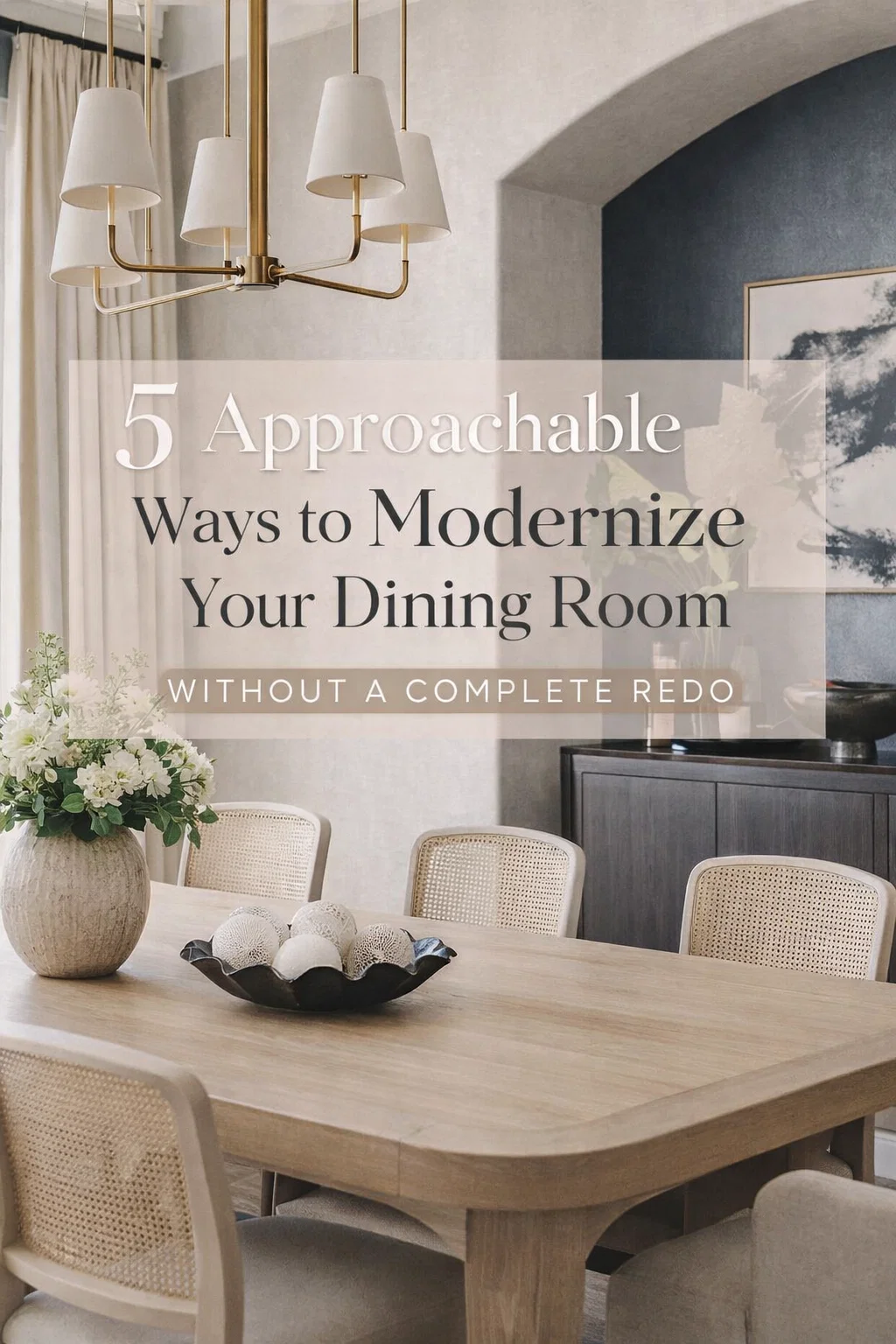
Walking into a dining room that feels like it was plucked straight from a 1990s showroom catalog can be a bit of a buzzkill for anyone who loves modern interior design. While there is certainly a sense of comfort in knowing every piece of furniture matches perfectly, that same uniformity often leads to a space that feels dated, flat, and devoid of personality. The good news is that you do not need to haul your entire dining set to the curb to achieve a high-end, curated look. By strategically breaking up the matching pieces and introducing fresh textures and colors, you can transform your dining area into a sophisticated sanctuary that feels both timeless and trendy.
The Problem with the Matched Set Mentality
For decades, the standard for a formal home was the 5 piece or 7 piece coordinated dining set. You bought the table, and it came with the exact chairs, the exact sideboard, and often a matching china cabinet. While this made shopping easy, it stripped the home of the layered, collected over time feel that defines modern luxury. A room where everything matches perfectly often lacks a focal point because the eye does not know where to land. When every leg of every chair is the same wood tone as the table and the floor, the furniture starts to bleed together. To create a space that looks professionally designed, you have to introduce contrast.
Start by Swapping Your Chairs
The fastest and most impactful way to refresh a dated dining room is to change the seating. You do not even have to replace all the chairs to make a massive difference. One popular designer trick is to keep your existing side chairs but replace the two end chairs with something completely different. Think of these as the anchor pieces of the table. Large, upholstered host chairs with a high back can add a sense of grandeur and comfort. If your current set is dark wood, try end chairs in a light linen or even a bold pattern like a subtle zebra print or a classic stripe.
Mixing Textures and Fabrics
If you are feeling a bit more adventurous, consider replacing all the chairs with a style that contrasts with your table. If you have a heavy, traditional mahogany table, pairing it with sleek, modern chairs in a different material like metal or molded plastic can create a stunning juxtaposition. The goal is to create a conversation between different eras and styles. Using fabric is another fantastic way to soften the hard lines of a wooden dining set. Slipcovered chairs bring a relaxed, coastal vibe, while velvet upholstery adds a touch of mid century glamour.
The Power of a Statement Chandelier
Often, the reason a dining room feels dated is not actually the furniture, but the lighting. Builder-grade chandeliers or heavy, ornate brass fixtures from twenty years ago can weigh down the entire aesthetic. A modern lighting fixture acts as the jewelry of the room. It is the first thing people notice when they walk in and sets the tone for the rest of the decor. If your room feels too traditional, a contemporary drum shade or a geometric linear pendant can instantly pull the space into the present day. Look for finishes that complement your room without necessarily matching the hardware on your cabinets. Mixing metals, such as pairing a matte black fixture with aged brass accents, is a great way to add visual interest.
Refresh Your Walls with Color and Pattern
Take a look at the vertical space in your dining room. If you are surrounded by beige walls and matching wood, the room will feel closed in. One of the most effective ways to break up the monotony of a furniture set is to create a stunning backdrop. An accent wall featuring a modern botanical wallpaper or a subtle textured grasscloth can provide the perfect contrast to your furniture. In a formal setting, an arched niche or a recessed wall area is a prime candidate for a pop of pattern. By using a wallpaper with a soft, organic motif, you counteract the rigid lines of the dining table and sideboard, making the room feel more inviting and less like a museum exhibit.
Using Paint to Create Depth
If wallpaper feels like too much of a commitment, never underestimate the power of a fresh coat of paint. Deep, moody tones like navy blue, charcoal, or forest green are incredibly popular for formal dining rooms because they create an intimate, cozy atmosphere for evening meals. If you have a lot of dark wood furniture, a lighter, cool toned gray or a soft blue can help the wood grains pop rather than blending into the shadows. Painting the crown molding or the wainscoting in a contrasting white can also add architectural interest that makes the room feel more expensive.
Layering Your Decor for a Curated Look
Once the big elements like furniture and walls are addressed, it is time to focus on the styling. This is where you can really show off your personality and make the space feel like home. A common mistake in dated dining rooms is having a single, lonely bowl in the center of the table. To achieve a refreshed look, think in layers. Start with a beautiful runner or a set of textured placemats. For the centerpiece, combine items of varying heights. A low, wide metallic bowl filled with decorative spheres looks fantastic when paired with tall, slender candlesticks or a vibrant vase of fresh flowers.
The Role of the Sideboard and Buffet
Your sideboard should not just be a place to store extra plates. It is a stage for decor. Instead of keeping it clear or covered in a matching lace runner, treat it like a gallery. Lean a large piece of modern art against the wall or hang a decorative mirror above it to reflect light and make the room feel larger. Add a stack of coffee table books, a unique ceramic lamp, and perhaps a small tray for bar essentials. By mixing these functional items with decorative ones, you break the sterile feeling of a matched furniture set and create a space that feels used and loved.
Incorporate Natural Elements
Nothing breathes life into a room quite like greenery. Whether you prefer a large potted fiddle leaf fig in the corner or simple eucalyptus branches in a vase on the table, plants bring an organic energy that wood and fabric simply cannot provide. The green of the leaves provides a natural contrast to almost any color palette and helps to soften the formal edges of the room. If you do not have a green thumb, high quality silk plants or even a collection of interesting dried botanicals can have a similar effect. The key is to introduce a shape that is not perfectly symmetrical or manufactured.
Updating Window Treatments
Heavy, dark drapes with thick valances are a hallmark of older dining room styles. To modernize the space, look for window treatments that are light, airy, and functional. Floor to ceiling sheer curtains in a soft white or cream can brighten the room and make the ceilings feel higher. If you need more privacy or light control, consider a simple Roman shade in a textured fabric. Avoid shiny, synthetic fabrics that look cheap under artificial light. Instead, opt for linen blends or cotton that drape beautifully and add a touch of casual elegance to the formal setting.
Floor Coverings That Ground the Space
If your dining room set is sitting on bare hardwood or wall to wall carpeting, an area rug can be a total game changer. A rug serves several purposes: it defines the dining area within a larger floor plan, it adds a layer of comfort underfoot, and it provides a final opportunity to introduce color and pattern. When choosing a rug for a dining room, make sure it is large enough that all the chair legs remain on the rug even when they are pulled out from the table. A low pile rug is usually best for a dining area to ensure that chairs can slide easily and spills are easier to clean. A vintage inspired Persian rug or a modern jute rug can add just the right amount of personality to offset a matching furniture set.
Embrace the Art of the Mix
Ultimately, refreshing a dated dining room is about embracing imperfection and variety. The most beautiful homes are not those where everything was bought on the same day from the same store. They are the ones that tell a story through a mix of old and new, sleek and textured, dark and light. Do not be afraid to experiment with ideas that feel a little outside of your comfort zone. If you love your traditional table but hate the chairs, start there. If you love the furniture but the room feels dark, focus on the lighting and paint. Each small change works together to peel back the layers of a dated look, revealing a space that is sophisticated, personal, and perfectly suited for modern living.
Conclusion
Refreshing a formal dining room does not have to be an overwhelming or expensive project. By focusing on key areas like seating, lighting, and wall treatments, you can easily break away from the restricted feeling of a matched set. Remember that the goal is to create a room that reflects your personal style while remaining functional for the way you live today. Whether it is through a bold new wallpaper, a stunning modern chandelier, or simply swapping out a few old chairs for something fresh and patterned, these changes will breathe new life into your home. Start with one area that bothers you the most and watch how the entire energy of the room shifts. Your dining room is the heart of your home’s social life, and it deserves to be a space where you feel proud to gather with friends and family for years to come.