
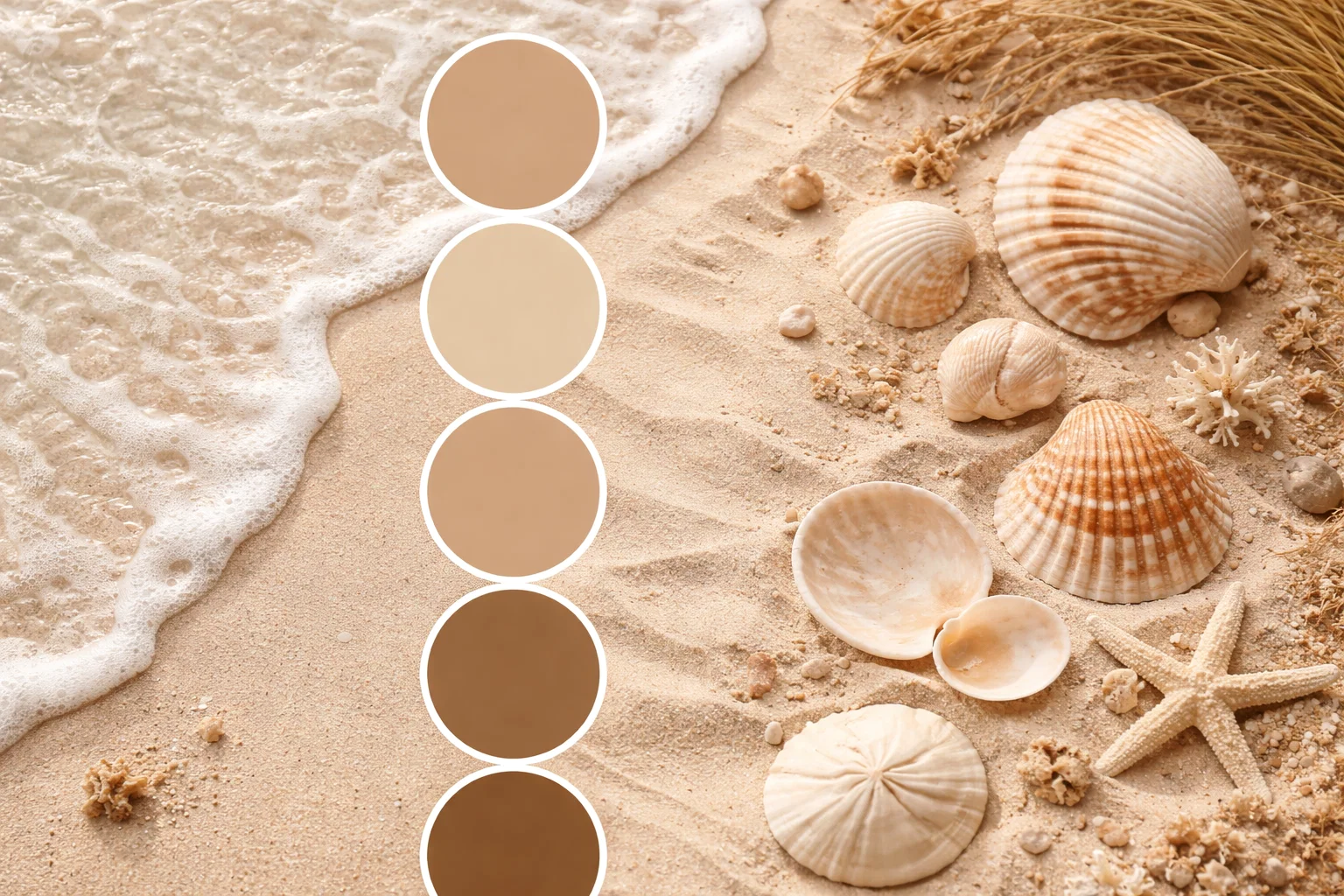
Coastal Sands Color Palette: Warm Beach Tones Inspired by a Beautiful Sand Color Palette
Imagine the feeling of warm sand between your toes, the soft whisper of a coastal breeze, and the serene glow of a setting sun. This is the essence you can bring into your home with a sand color palette. More than just a trend, this design philosophy is about capturing the tranquility and organic beauty of the shoreline. A coastal sands color palette isn’t about literal seashells and anchors; instead, it’s a sophisticated approach that uses warm, neutral earth tones—think creamy beiges, soft taupes, warm greiges, and sun-bleached whites—to create a space that feels both grounding and effortlessly elegant. This palette acts as a perfect canvas, promoting a sense of calm and spaciousness while offering incredible versatility. Whether you live by the water or in a bustling city apartment, embracing these warm beach tones can transform your living space into a personal sanctuary of comfort and style, proving that the most beautiful inspiration is often found in nature’s simplest elements.
Introduction to Coastal Sands Color Palette: Warm Beach Tones Inspired by a Beautiful Sand Color Palette
In the world of interior design, few concepts are as universally appealing and transformative as the coastal aesthetic. However, moving beyond the classic navy-and-white nautical theme, the Coastal Sands approach offers a more nuanced, textural, and emotionally resonant alternative. This style draws its core identity from the myriad hues found along a shoreline: the pale, almost white sand of a dune; the warm, golden tone of a sun-baked beach; the subtle grey of wet, packed sand at the water’s edge; and the soft beige of windswept coasts. This sand-inspired color scheme is inherently calming, mimicking the peaceful, unhurried rhythm of the coast.
The atmosphere cultivated by this palette is one of serene relaxation and organic warmth. It avoids cold sterility by ensuring every shade has a gentle, earthy undertone. This creates a cozy, enveloping feeling that makes a room instantly more inviting. Furthermore, because these colors are neutrals drawn directly from nature, they possess a timeless quality. They won’t clash with your existing belongings or feel dated in a few years. Instead, they provide a harmonious backdrop that allows your furniture, art, and personal collections to shine. For homeowners, renters, and DIY enthusiasts alike, this makes the Coastal Sands palette a brilliantly practical and beautiful choice. It’s a style that doesn’t shout but rather whispers a promise of comfort and retreat, transforming any space into a haven of understated elegance.
Why Choose Coastal Sands Color Palette: Warm Beach Tones Inspired by a Beautiful Sand Color Palette for Your Space
Choosing a design direction for your home is a deeply personal decision, one that balances aesthetics with daily functionality. The Coastal Sands decor philosophy excels on both fronts, offering a multitude of benefits that make it a standout choice for virtually any space.
First and foremost, this palette is a master of visual harmony and light. The warm, light-reflective qualities of beige and taupe tones can make small rooms feel larger and brighter, while dark rooms feel less cavernous. They create a seamless flow from one room to another, establishing a cohesive and peaceful environment throughout your home. This is particularly valuable in open-plan living areas or for those who desire a sense of unified calm.
Secondly, the emotional impact is profound. Color psychology tells us that warm neutrals promote feelings of safety, comfort, and stability. A room anchored by a warm neutral foundation reduces visual noise and mental clutter, effectively lowering stress levels. It’s a design that supports wellbeing, making your home a true sanctuary from the outside world. Moreover, this scheme is incredibly versatile. It serves as the perfect neutral backdrop, allowing you to inject personality through textures, art, and accent colors without ever feeling overwhelming. You can easily shift the mood from season to season—adding terracotta and olive green in the fall, or crisp blues and greens in the spring—while your foundational sand-toned canvas remains constant.
Finally, from a practical standpoint, this palette is forgiving and low-maintenance. Lighter walls show less dust, and the earthy tones are excellent at concealing the minor wear and tear of daily life, especially in high-traffic areas or homes with children and pets. For budget-conscious decorators and renters, this flexibility is key. You can achieve a high-end, layered look through affordable textiles and accessories without committing to expensive architectural changes. In essence, choosing a Coastal Sands palette means investing in a style that is as emotionally comforting as it is aesthetically enduring and functionally smart.
Key Elements & Design Components
Essential Decor Items for Coastal Sands Color Palette: Warm Beach Tones Inspired by a Beautiful Sand Color Palette
To authentically capture the Coastal Sands aesthetic, focus on curating items that emphasize texture, natural materials, and a layered neutrality.
- The Color Foundation: Your wall colors, large furniture pieces, and rugs should establish the sandy base palette. Opt for paint colors with names like “Accessible Beige,” “Balanced Beige,” “Agreeable Gray,” or “Swiss Coffee.” These complex greiges and warm whites form the perfect backdrop.
- Natural Material Furniture: Seek out pieces crafted from light or medium-toned woods like oak, rattan, cane, and bleached bamboo. A linen-upholstered sofa in a cream or taupe fabric is a quintessential anchor piece. Look for coffee tables with woven elements or live-edge wood to introduce organic shape.
- Textural Textiles: This is where the palette comes alive. Layer different fabrics to create depth and interest. Essential items include:
- Rugs: Jute, sisal, or seagrass rugs in natural hues.
- Throws & Pillows: Chunky knit throws in ivory, linen pillow covers with subtle texture, and velvet cushions in deeper taupes or muted terracotta.
- Window Treatments: Light, flowing linen or cotton curtains that diffuse sunlight beautifully.
- Accessories & Decor: Choose accessories that feel collected, not themed. Think:
- Ceramics: Glazed pottery in matte finishes, from vases to bowls, in sand-colored glazes.
- Natural Elements: Driftwood pieces, a bowl of smooth stones, or dried pampas grass.
- Artwork: Abstract pieces with layered, sandy textures, landscapes with muted tones, or simple black-and-white photography in natural wood frames.
- Lighting: Prioritize warm, ambient lighting. Wicker pendant lights, paper lanterns, and table lamps with ceramic or woven bases are ideal. The goal is a soft, golden glow that mimics sunset light.
Style Variations & Budget-Friendly Alternatives
The beauty of the coastal neutral scheme is its adaptability. Here’s how to tailor it to your needs:
- For Small Spaces/Rentals: You don’t need to paint! Use large, sand-colored area rugs and textured curtains to define your palette. Removable peel-and-stick wallpaper in a grasscloth texture can add immense warmth to a focal wall. Choose multifunctional, light-wood furniture that doesn’t visually clutter the space.
- Budget-Friendly Swaps: Instead of a new rattan headboard, use a rattan room divider behind your bed. Shop second-hand for solid wood furniture and sand it down to a lighter finish. Create your own textured art with plaster on canvas or framed samples of beautiful linen fabric. Use paint to update old lamp bases or vases with a matte, sandy-hued finish.
- Elevated/Luxe Variation: To amplify the sophistication, introduce richer material contrasts. Pair your beige color scheme with unlacquered brass fixtures, honed marble or travertine accents, and built-in cabinetry in a warm oak. Invest in a large, sculptural piece of driftwood art or an oversized linen sectional. Here, the focus is on impeccable craftsmanship and serene, minimalist silhouettes within the warm tonal range.
How to Achieve the Look: Step-by-Step Styling Guide
Transforming your space with the Coastal Sands palette is a rewarding process. Follow these steps to build your serene retreat layer by layer.
Step 1: Establish Your Foundational Sand Color Palette
Begin by selecting 3-4 core paint or fabric swatches that represent your ideal beach-inspired tones. Typically, this includes a warm white for ceilings/trim, a primary wall color (a greige or light beige), and one or two slightly deeper shades (a richer taupe or greige) for accent walls or large furniture. Gather physical samples and observe them in your room at different times of day. This foundational step ensures all subsequent choices will harmonize.
Step 2: Select and Arrange Your Key Furniture Pieces
Choose your largest items—sofa, bed, dining table—in materials and colors that align with your natural sand hues. Opt for clean, comfortable silhouettes. When arranging furniture, prioritize flow and conversation areas. In a living room, float your sofa away from walls if possible to create intimacy. Use a light-wood or woven storage unit as a room divider in open spaces. The goal is an airy, uncluttered layout that feels intentional.
Step 3: Layer in Textural Rugs and Window Treatments
Introduce your largest textural elements. A natural fiber rug (jute, sisal) will instantly ground the space and reinforce the organic theme. Subsequently, hang floor-to-ceiling linen curtains several inches wider than the window frame. This softens hard edges and allows light to filter through beautifully, enhancing the sun-bleached aesthetic. For bedrooms, a plush, neutral wool rug beside the bed adds softness underfoot.
Step 4: Build Depth with Textiles and Soft Furnishings
This is where the cozy factor multiplies. Drape a chunky knit throw over your sofa or armchair. Add a mix of throw pillows in various sizes and textures—linen, velvet, a subtle stripe—all within your warm tonal range. On a bed, layer a quilt, a duvet, and euro shams in complementary shades of cream, beige, and taupe. Each layer adds visual weight and tactile comfort.
Step 5: Incorporate Natural Materials and Organic Accessories
Accessorize with purpose. Place a woven tray on your coffee table, stack a few large art books with neutral covers, and add a ceramic vase. Introduce organic shapes through a driftwood sculpture, a potted olive tree, or a bundle of birch branches. Choose accessories made of wood, stone, ceramic, or woven fibers to maintain a connection to the natural world that inspires your sand color palette.
Step 6: Illuminate with Warm, Layered Lighting
Overhead lighting should always be on a dimmer. Supplement with multiple light sources. Place a woven pendant over a dining table, use a pair of ceramic table lamps on a console, and add a floor lamp with a linen shade in a dark corner. The interplay of light and shadow across your textured surfaces will make the room feel dynamic and inviting at night.
Step 7: Curate Personal and Artistic Touches
Finally, add pieces that tell your story. Hang a gallery wall of black-and-white family photos in simple wood frames. Prop a large, abstract painting with sandy textures against a wall. Display a collection of seashells you’ve gathered or pottery from your travels. These personal items prevent the space from feeling like a showroom and root the serene coastal sands color palette in your own life.
Elevating the Look: Advanced Styling Tips
Once your base is established, these refined touches will add polish and personality to your Coastal Sands decor.
- Play with Sheen and Finish: Mix matte, satin, and gloss finishes to create subtle interest. For example, use matte paint on walls, satin on trim, and introduce a glossy ceramic vase or a mirror with a slight sheen. This reflects light differently and adds sophistication.
- Embrace the “Third Element”: To prevent a monochromatic look from falling flat, consistently introduce a third material or slight color shift. If you have wood and linen, add a touch of blackened steel or iron. If your palette is cream and taupe, weave in a small amount of a darker, earthy accent like charcoal or a deep, greenish-brown.
- Create Intentional Imperfection: The beach is never perfectly symmetrical. Apply this to your styling. Style shelves with a balanced but asymmetrical arrangement. Drape a throw casually over the corner of a sofa. Choose pottery with hand-thrown irregularities. This “wabi-sabi” approach enhances the organic, lived-in feel.
- Focus on Sensory Details: The aesthetic is also about feel and scent. Invest in high-quality, soft bedding. Use a diffuser with essential oils like sandalwood, cedar, or linen to subtly reinforce the ambiance. A soft wool blanket invites touch, completing the multi-sensory experience of your sand-inspired sanctuary.
Maintenance & Care: Keeping Your Space Fresh
A home designed with a light and airy sand palette is easy to maintain with a few mindful habits.
- For Natural Fiber Rugs & Textiles: Vacuum jute and sisal rugs regularly without a beater bar to prevent fraying. Immediately blot spills on linen or cotton fabrics with a clean cloth; for stains, check manufacturer instructions, but often a mild detergent and cold water spot treatment works. Rotate and fluff cushions regularly to ensure even wear.
- Dusting and Surfaces: Use a microfiber cloth to dust wooden furniture and surfaces weekly, as dust can be more visible on matte finishes. For ceramic and decorative objects, a gentle wipe-down keeps them looking fresh.
- Refreshing the Look Seasonally: One of the joys of this neutral base is its adaptability. To keep the space feeling current, simply swap out a few accessories. In summer, add more woven textures and green plants. In fall, introduce a heavier knit throw and pillows in deeper, earthy accents like rust or olive. This periodic refresh prevents stagnation without a major redesign, allowing your foundational warm beach tones to remain timeless.
FAQs: Frequently Asked Questions About Coastal Sands Color Palette: Warm Beach Tones Inspired by a Beautiful Sand Color Palette
Q: Won’t a sand color palette make my room look too bland or boring?
A: Not at all! The key is in the texture and layer. A sand color palette is a neutral foundation, not the final product. By layering different materials like linen, wool, wood, jute, and ceramic—all in varying shades within the same tonal family—you create immense visual depth and interest. It’s a sophisticated, calming look that feels anything but bland.
Q: Can I use this palette in a room with little natural light?
A: Absolutely. In fact, a warm sand-inspired color scheme is one of the best choices for darker rooms. Avoid cool, grayish beiges and opt for shades with warm, yellow, or pink undertones (often called “greige”). These colors reflect artificial light warmly, making the space feel cozy and intentional rather than dark and cold. Supplement with ample warm-white lighting.
Q: What are the best accent colors to pair with a Coastal Sands palette?
A: This palette is incredibly versatile. For a serene look, stick with tonal accents in darker taupes, charcoals, and black. For a pop of nature-inspired color, consider muted shades of sage green, dusty blue, terracotta, or soft olive. These colors complement the earthy base without overpowering the peaceful vibe.
Q: Is this style suitable for a modern or minimalist home?
A: Yes, perfectly. The Coastal Sands aesthetic can be easily adapted. For a modern minimalist take, use the sandy neutrals on walls and floors, choose furniture with clean, geometric lines, and limit accessories to a few large-scale, textural pieces like a single dramatic weaving or sculpture. It creates a warm, organic minimalism that feels inviting.
Q: How do I keep a light sand-colored sofa clean with kids or pets?
A: Choose performance fabrics! Many modern linen-look or velvet fabrics come with stain-resistant treatments. Crypton, Perennials, and Sunbrella offer indoor fabrics that are durable and easy to clean. Alternatively, use a tight-woven slipcover in a beige tone that can be machine-washed. Regular vacuuming and immediate attention to spills are your best defenses.