
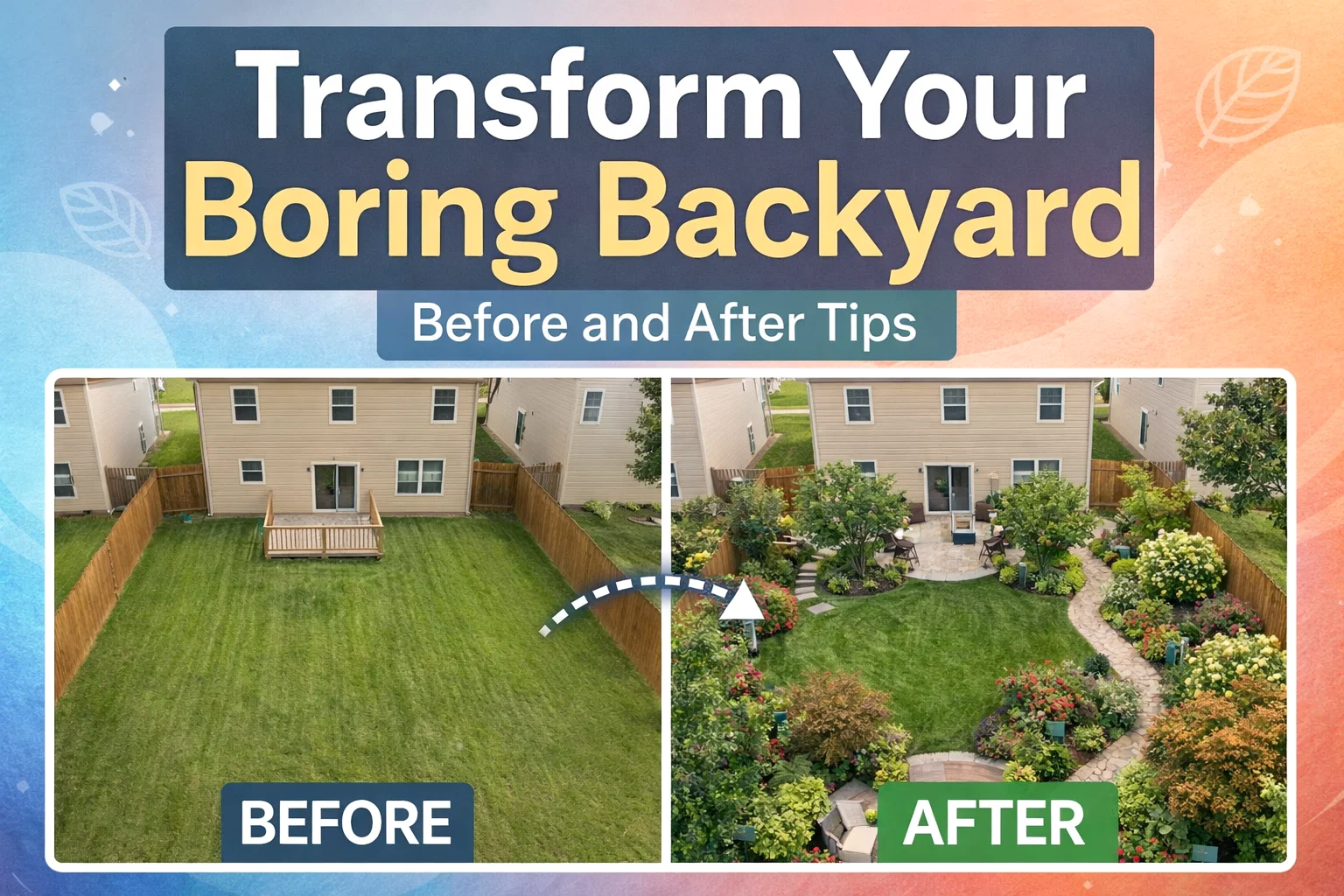
Stepping into a backyard that consists of nothing but a flat patch of grass can feel like looking at a blank canvas that is just waiting for a spark of inspiration. The transformation from a standard, builder-grade lawn into a lush, multi-dimensional sanctuary is one of the most rewarding home improvement projects any homeowner can undertake. As seen in this incredible before and after comparison, the secret to a professional-grade landscape lies in breaking up the monotony of a rectangular yard with organic shapes, varied textures, and intentional living zones.
The Power of a Master Plan: Moving Beyond the Basics
Most suburban backyards start with the same basic elements: a small wooden deck and a perimeter fence. While functional, this layout often leaves the center of the yard feeling exposed and underutilized. To move from a basic yard to a botanical retreat, the first step is to rethink the floor plan of your outdoor space. Instead of keeping everything to the edges, bringing the design into the center of the lawn creates a sense of intimacy and discovery.
Notice how the original wooden deck was replaced or supplemented with a ground-level flagstone patio. This shift is crucial because it physically lowers the seating area, making it feel like a private cove rather than an elevated stage. By using natural stone with varied earthy tones, the hardscaping feels integrated into the earth rather than sitting on top of it. This creates a seamless transition between the architecture of the home and the organic beauty of the garden.
Creating Flow with Winding Stone Pathways
One of the most striking features of a high-end garden design is the use of curved lines. In nature, straight lines are rare. By introducing a winding flagstone path that meanders from one side of the house to a secondary seating area, you create a visual journey. Pathways serve a dual purpose: they protect the grass from heavy foot traffic and they act as a guide for the eye, making a small backyard feel much larger than it actually is.
When installing a path like the one pictured, the placement of the stones is key. Using irregular “stepper” stones surrounded by mulch or low-growing groundcover adds a whimsical, cottage-core aesthetic. On the other hand, the larger, more structured patio area provides the stability needed for heavy outdoor furniture. This contrast between the informal path and the formal patio defines the different “rooms” of the outdoor living space.
Selecting the Right Hardscape Materials
- Flagstone and Slate: These materials offer a timeless, high-end look that ages beautifully. Their natural slip-resistance makes them ideal for wet climates.
- River Rock and Pea Gravel: Great for filling in gaps between larger stones, these materials provide excellent drainage and a satisfying crunch underfoot.
- Decomposed Granite: A budget-friendly alternative for pathways that still offers a refined, desert or Mediterranean vibe.
The Art of Layered Planting: Adding Vertical Interest
A common mistake in DIY landscaping is planting everything at the same height. To achieve the lush, “secret garden” look shown in the after photo, you must think in layers. This means incorporating a mix of canopy trees, mid-sized shrubs, and low-lying perennials. By layering plants, you create a wall of greenery that provides privacy from neighbors without the need for a cold, industrial privacy screen.
In this design, ornamental trees like the white-flowering Crepe Myrtle or Dogwood serve as the anchors. They provide height and structure. Beneath them, clusters of white Hydrangeas and lime-green Hostas create a middle layer that is rich in texture. Finally, the edges are softened with blooming perennials and seasonal annuals that add pops of color against the deep green backdrop. This tiered approach ensures that there is always something interesting to look at, whether you are sitting down or standing up.
Best Plants for a Lush Backyard Retreat
If you are looking to replicate this vibrant look, consider these reliable favorites that offer both structure and beauty:
- Hydrangea Paniculata: Known for their massive, cone-shaped flower heads, these shrubs are hardy and provide a stunning focal point in late summer.
- Japanese Maple: With their delicate leaves and sculptural branches, these trees add a touch of elegance and gorgeous fall color.
- Hostas: These are the kings of the shade garden. They come in various shades of blue, green, and gold, providing incredible leaf texture.
- Boxwood: Used sparingly, these can be pruned into spheres or low hedges to give the garden a sense of formal structure amidst the wilder blooms.
Designing for Different Times of Day
A truly successful backyard transformation considers how the space will be used during the morning, afternoon, and evening. The inclusion of multiple seating areas is a brilliant way to follow the sun. A small bistro set near the house might be perfect for morning coffee in the shade, while a larger lounge area at the back of the yard catches the last rays of the evening sun.
Lighting is another essential component that takes a garden from daytime functional to nighttime magical. While not always visible in photos, the addition of low-voltage landscape lighting along the paths and uplighting beneath the trees ensures the garden remains a destination after dark. It highlights the silhouettes of the plants and makes the stone textures pop, creating a safe and inviting atmosphere for evening entertaining.
The Benefits of a Curated Garden
Beyond the obvious aesthetic appeal, a well-landscaped backyard offers numerous functional benefits. For those who enjoy a bit of kitchen magic, these garden beds are the perfect place to tuck in edible herbs or even medicinal plants that thrive in well-drained soil. The increased biodiversity also invites pollinators like bees and butterflies, turning your yard into a living ecosystem.
Furthermore, a garden of this caliber significantly increases property value. Curb appeal is not just for the front yard. Potential buyers are increasingly looking for “outdoor rooms” that extend the living square footage of a home. A turnkey backyard that looks like a professional botanical park is a major selling point that sets a property apart from the standard listings in the neighborhood.
Maintenance Tips for a Thriving Landscape
To keep a complex garden looking as crisp as the day it was installed, a bit of routine care is required. Mulching once a year is perhaps the most important task. Not only does dark mulch make the colors of the plants stand out, but it also suppresses weeds and helps the soil retain moisture during hot summer months. Pruning is also vital. Taking the time to deadhead spent blooms and shape your shrubs will encourage new growth and keep the garden from looking overgrown or messy.
Embracing the Seasonal Shift
One of the most beautiful aspects of a garden like this is how it changes with the seasons. In the spring, the focus is on the fresh green buds and early flowering bulbs. In the summer, the garden is a riot of color and full, leafy textures. By autumn, many of the selected trees will turn golden or red, while the dried flower heads of the hydrangeas provide architectural interest well into the winter months.
Even when the snow falls, the structure of the stone paths and the “bones” of the trees ensure that the backyard doesn’t look empty. This year-round appeal is what transforms a simple yard into a true home sanctuary. It encourages you to step outside and connect with the rhythms of nature, providing a much-needed mental break from the digital world.
Conclusion: Your Sanctuary Awaits
The transformation shown in these images is a testament to what is possible with a bit of vision and effort. You don’t need a massive estate to create a world-class garden. By focusing on organic shapes, layered plantings, and high-quality stone work, even a modest backyard can become a breathtaking escape. Whether you are starting with a blank slate or looking to revitalize an existing space, remember that every great garden starts with a single plant and a dream. Start small, build in phases, and soon you will have a backyard that is not just a place to mow, but a place to live, breathe, and flourish.