
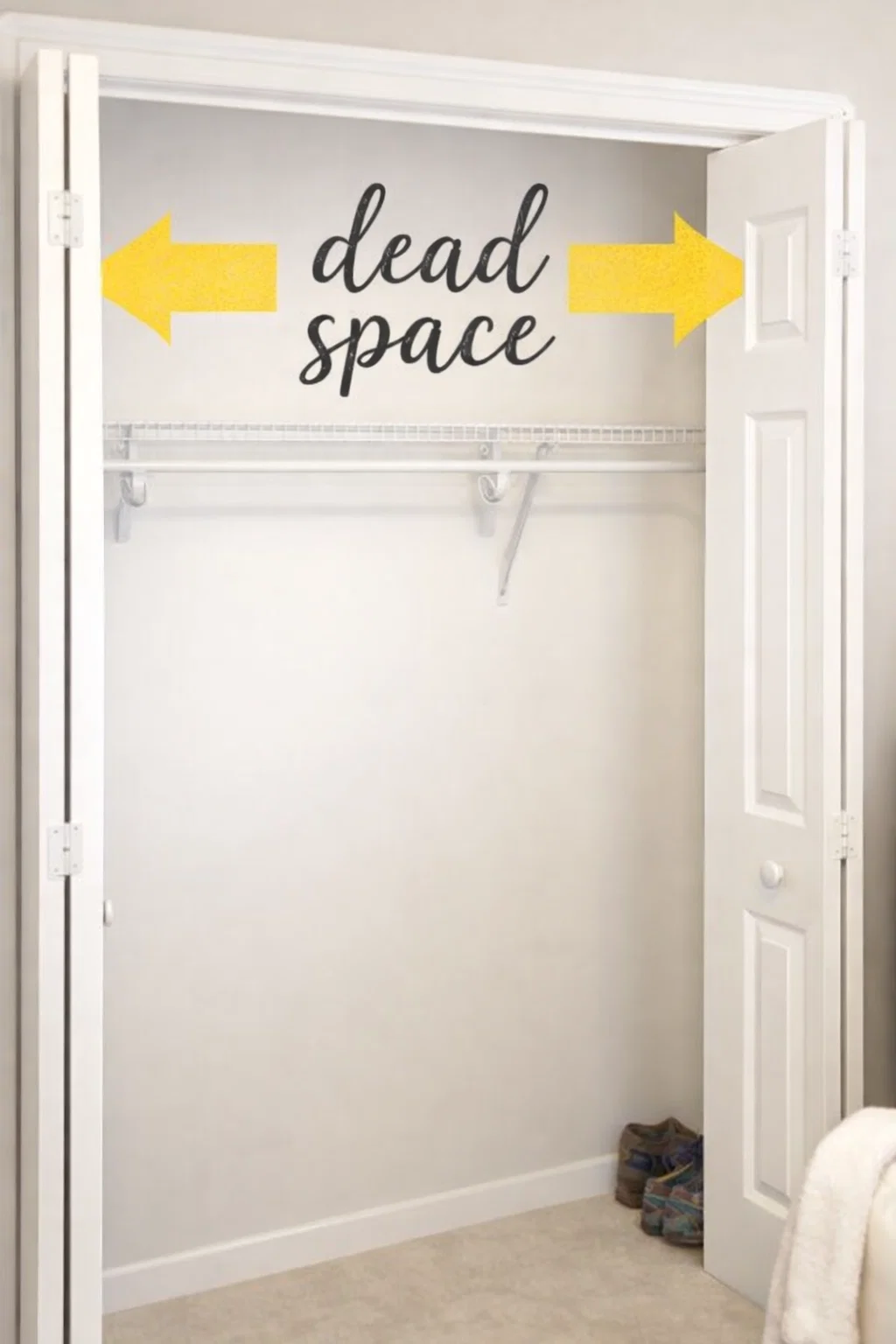
If you have ever stared at your reach-in closet and felt a wave of frustration, you are not alone. Most of us have been there: the clothes are crammed together, the floor is a mystery of shoes and bags, and yet, there is a massive amount of empty wall space just sitting there, completely unused. We often call this the dead space. It is that awkward area behind the door frame or the high-up gaps above the main shelf that seem impossible to reach or utilize. But what if those forgotten corners were actually the secret to doubling your storage capacity?
Maximizing a small closet is not just about buying more hangers. It is about architectural problem-solving. When you look at a standard reach-in closet, the design usually prioritizes the center for easy access, leaving the sides tucked away in the shadows. By shifting our perspective and looking at the closet as a 3D puzzle rather than a simple hanging bar, we can unlock a level of organization that makes daily life smoother and much more aesthetic.
Understanding the Dead Space Dilemma
In the world of interior design, dead space refers to any area that serves no functional purpose. In a typical closet, this occurs most frequently on the far left and right sides of the door opening. Because the door frame is narrower than the actual interior width of the closet, those side walls become a black hole for organization. Most people stop their shelving right where the door frame begins, leaving 12 to 18 inches of prime real estate untouched on either side.
Another common culprit is the vertical gap. Builders often install a single wire shelf at about eye level. This leaves a massive void between that shelf and the ceiling. Without a plan, this space stays empty, or worse, becomes a graveyard for haphazardly stacked boxes that eventually tumble down. Recognizing these gaps is the first step toward a functional home transformation.
The Psychology of an Organized Closet
There is a genuine mental health benefit to clearing out the clutter and utilizing every inch of your home. When you wake up and open a closet that feels spacious and logical, your stress levels drop. You are no longer fighting with your environment to find a pair of socks or a specific sweater. By tackling the dead space, you are essentially creating a boutique experience within your own bedroom, turning a source of morning anxiety into a source of calm efficiency.
Creative Solutions for Side Wall Storage
The most effective way to reclaim the sides of a reach-in closet is to install wrap-around shelving. Instead of having one long bar that stops short, you can install smaller, perpendicular shelves that follow the contour of the side walls. These are perfect for items that do not need to be hung, such as folded jeans, handbags, or even shoe displays.
If you prefer a more flexible approach, consider using tension rods or small command hooks in these hidden nooks. A few well-placed hooks can turn a dead corner into a dedicated station for belts, scarves, or hats. This keeps the main hanging area clear for your primary wardrobe while ensuring your accessories are visible and easy to grab. The beauty of the side wall is that it is hidden from view when the doors are closed, making it the perfect spot for functional but perhaps less visually appealing storage like cleaning tools or extra linens.
Utilizing Vertical Real Estate
We often forget to look up. If your closet has a high ceiling, that area above the main shelf is gold. Most people use this for luggage, but you can do so much more. Adding a second, higher shelf can house off-season clothing in clear, labeled bins. Since you only need to access these items a few times a year, the height is not an issue. For those who want to get really fancy, a pull-down closet rod can be installed in the upper reaches, allowing you to hang even more clothes and simply pull them down to your level when needed.
DIY Hacks for a Custom Look on a Budget
You do not need a multi-thousand dollar custom closet system to fix these issues. Some of the best solutions are simple weekend DIY projects. For instance, adding a second hanging rod below your main one can instantly double your space for shirts and jackets. This is especially effective if you have reclaimed the side dead space for your longer items like dresses or coats.
Another brilliant hack involves the use of wire baskets. If you have existing wire shelving, you can purchase under-shelf baskets that slide right onto the existing frame. These utilize the air space below the shelf that usually goes to waste. Use them for smaller items like undergarments, socks, or even clutch purses. It is an instant upgrade that requires zero power tools.
Lighting: The Secret Ingredient
One reason dead space remains unused is that it is often dark. If you cannot see into the corners, you are not going to use them. Battery-operated LED motion lights are a game-changer for reach-in closets. Stick them onto the side walls or under the top shelves. As soon as you open the door, the entire space is illuminated, making those formerly hidden corners part of your functional daily landscape.
Choosing the Right Materials
When you are planning your closet overhaul, the materials you choose will impact both the durability and the aesthetic. Wire shelving is a popular choice because it is affordable, easy to install, and allows for great airflow. This is particularly important for clothing to prevent that musty closet smell. However, wire shelving can sometimes leave marks on delicate knits.
On the other hand, solid wood or laminate shelving offers a more high-end, built-in look. It provides a flat surface that is better for stacking small items or displaying shoes. If you are handy, you can buy pre-cut white melamine boards from a local hardware store and install them using simple L-brackets. This gives you a custom feel at a fraction of the price of a professional installation. Mixing both can also be an effective strategy: use wire for hanging sections and wood for the side-wall cubbies.
Customizing for Your Specific Needs
Every wardrobe is different, so your storage should be too. If you are a shoe lover, your dead space strategy should focus on narrow vertical shelving or over-the-door organizers that can be adapted for the side walls. If you have a collection of bulky winter coats, you might prioritize a higher, deeper top shelf. Take an inventory of what you actually own before you start buying bins and rods. The goal is to make the closet fit your life, not the other way around.
Maintenance: Keeping the Dead Space Alive
Once you have successfully reclaimed your closet, the challenge is keeping it that way. The hidden nature of these side pockets makes them easy targets for “junk” to accumulate. Every few months, do a quick sweep of these areas. Are you still wearing those items tucked in the corner? If not, it might be time to donate them.
Labeling is another essential tool for long-term success. If you have utilized the high vertical space with bins, make sure the labels are large and clear so you can identify the contents from the floor. This prevents you from having to pull down every box just to find your winter boots or your summer swimsuits. A little bit of organization at the start saves hours of searching later on.
Final Thoughts on Maximizing Your Home
Your home is likely your biggest investment, and every square foot has value. Leaving dead space in your closet is like leaving money on the table. By taking the time to analyze the gaps, install clever shelving, and utilize vertical height, you transform a cramped cupboard into an efficient storage powerhouse. It is about working smarter, not harder, with the space you already have.
Whether you choose to go the DIY route with wire racks and LED lights or invest in a more permanent wooden shelving system, the result will be the same: a more organized home and a more peaceful morning routine. Do not let those corners stay empty any longer. Grab a tape measure, look at your closet with fresh eyes, and start reclaiming your space today.
Conclusion
Maximizing the dead space in a reach-in closet is one of the most rewarding home improvement tasks you can undertake. It requires very little in terms of budget but offers a massive return on investment in the form of extra storage and reduced clutter. By focusing on the side walls, the high vertical gaps, and the hidden nooks behind the door frames, you can truly double your closet’s potential. Remember to plan around your specific wardrobe needs and don’t be afraid to get creative with hooks, baskets, and lighting. Happy organizing!