
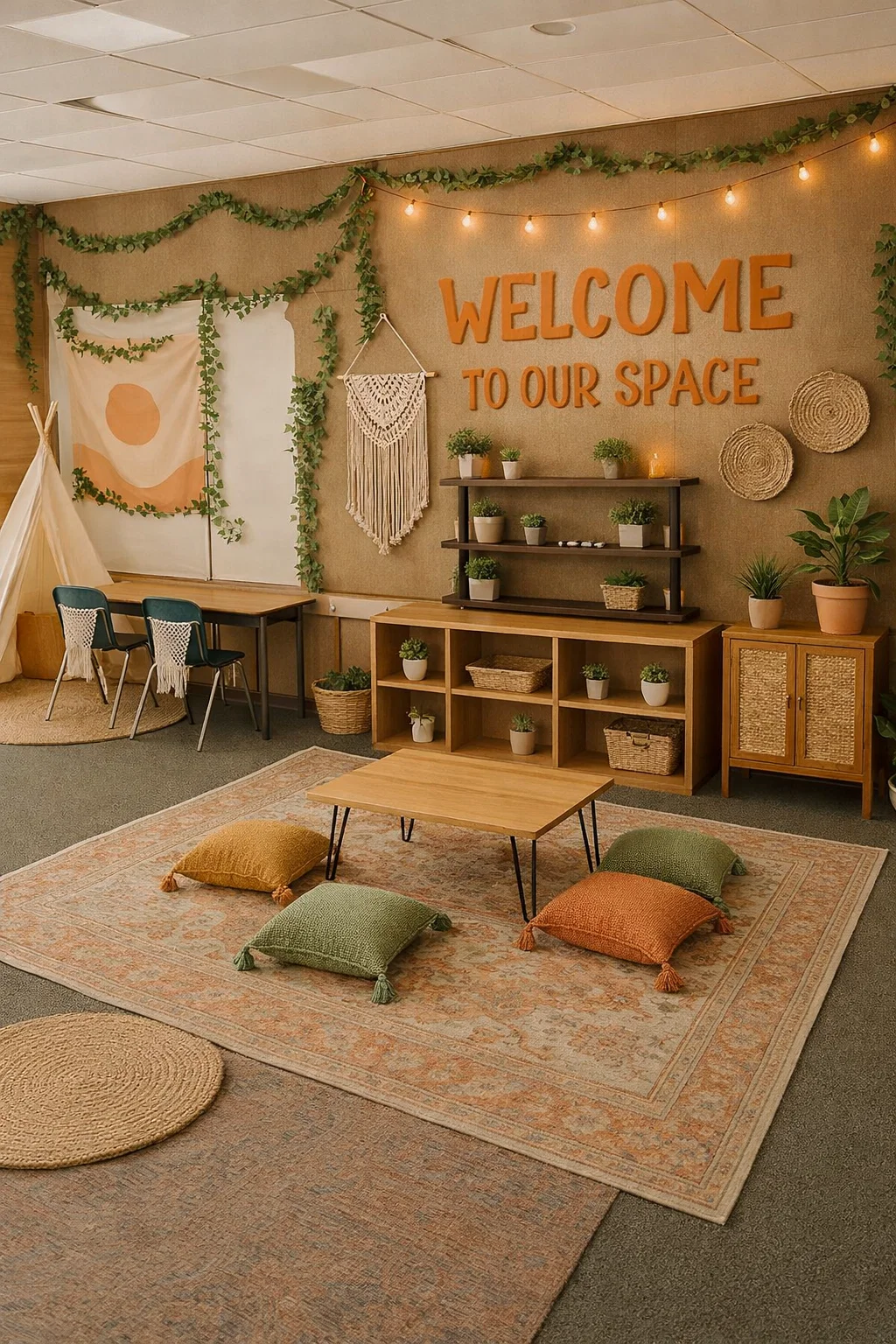
Creating a classroom environment that feels less like a sterile institution and more like a warm, inviting sanctuary is a growing trend in modern education. The image of this stunning boho inspired classroom perfectly captures why this aesthetic has taken the teaching world by storm. Gone are the days of neon primary colors and cluttered walls that can lead to sensory overload. Instead, we see a shift toward earthy tones, natural textures, and a calming atmosphere that fosters both creativity and focus. This approach to classroom design, often referred to as the boho or neutral classroom, seeks to create a home away from home for students and teachers alike.
The Philosophy Behind the Boho Classroom Aesthetic
At its heart, the boho classroom is about more than just looking pretty for social media. It is deeply rooted in the idea of environmental psychology. When students enter a space that feels soft, organic, and intentional, their nervous systems can settle. Traditional classrooms with bright fluorescent lights and high contrast colors can sometimes be overstimulating, especially for neurodivergent students or those who struggle with anxiety. By utilizing a palette of terracotta, sage green, and warm beige, educators are creating a “low arousal” environment that promotes emotional regulation.
Natural materials play a massive role in this philosophy. The use of wood, wicker, and cotton textiles brings a sense of the outdoors inside. In the featured image, we see how the wooden cubbies and the woven baskets replace plastic bins, immediately elevating the tactile experience of the room. This connection to nature is known as biophilic design, which has been shown to improve mood and cognitive performance. When a student reaches for a book from a wicker basket or sits on a soft jute rug, they are engaging with textures that feel grounded and real.
Breaking Down the Key Elements of a Neutral Learning Space
If you are looking to recreate this look, it helps to identify the specific components that make the space feel cohesive. It is not just about buying a few plants; it is about layering different elements to create depth and warmth.
- The Color Palette: Notice how the room stays within a strict family of colors. You have the ochre yellows, muted oranges, and soft greens. These colors are found in nature and naturally complement one another without competing for attention.
- Textiles and Fabrics: The macramé wall hanging and the sun patterned tapestry are focal points. They soften the hard lines of the classroom walls. Adding a “Welcome” sign in a simple, clean font further humanizes the space.
- Greenery and Vines: Ivy garlands draped along the ceiling and potted plants on every surface breathe life into the room. Even if you use high quality faux plants, the visual presence of “life” makes the room feel fresh.
- Warm Lighting: String lights or Edison bulbs provide a soft glow that eliminates the need for harsh overhead lighting during quiet reading time or independent work.
Maximizing Small Spaces with Intentional Zones
One of the most impressive aspects of the classroom in the image is how it defines different functional zones within a single area. Even in a small room, you can create the illusion of multiple “rooms” by using rugs and furniture placement. This is essential for classroom management because it gives students visual cues about what behavior is expected in certain spots.
Creating a Cozy Reading Nook or Meeting Area
The center of the image features a low wooden coffee table surrounded by plush floor cushions in various earthy shades. This is a perfect example of a flexible seating zone. By lowering the physical level of the furniture, you create a more intimate and less hierarchical space. This area is ideal for small group discussions, morning meetings, or a place for a student to escape with a good book. The large patterned rug underneath serves as a “boundary,” defining where the cozy zone starts and ends.
The Role of Minimalist Storage
Clutter is the enemy of a calm classroom. In the background, the wooden shelving unit is organized with a mix of small potted plants and wicker baskets. By keeping the shelves relatively open and using uniform storage containers, the teacher has turned storage into a design feature. It proves that you do not have to hide everything behind closed cabinet doors to maintain a tidy appearance. The key is to curate what is visible and ensure everything has a dedicated home.
How to Transition Your Classroom to a Boho Theme
Moving from a traditional classroom to a boho aesthetic does not have to happen overnight. It can be an expensive and time consuming process if you try to do it all at once. The best way to start is by identifying the “loudest” parts of your room and softening them. Often, this means covering up bright blue or red bulletin boards with brown butcher paper or neutral fabric. Fabric is a great choice because it does not show staple holes and lasts for years.
Next, focus on your lighting. If your school allows it, bring in a few floor lamps or string lights. You will be amazed at how much the mood changes when you turn off half of the fluorescent banks and rely on warmer light sources. From there, you can slowly begin to swap out plastic storage tubs for baskets found at thrift stores or discount home decor shops. The beauty of the boho style is that it thrives on a “collected” look, so your items do not need to match perfectly as long as they stay within your chosen color family.
Incorporating Student Work Without Sacrificing Style
A common critique of highly decorated classrooms is that they leave no room for student work. However, a boho classroom is actually the perfect backdrop for student creations. Imagine student drawings or essays clipped to a string of twine with mini clothespins, hung underneath the ivy vines. Because the background is neutral, the colorful work of the children actually stands out more and becomes the true star of the room. It creates a gallery like feel that makes students feel proud of their contributions to the environment.
The Benefits of Flexible Seating and Alternative Furniture
In the corner of the image, we see a small white teepee and a low desk with chairs that have macramé accents. This variety of seating options is a hallmark of the modern, student centered classroom. Not every child learns best sitting in a hard plastic chair at a standard height desk. Some students need to sprawl out on a rug, while others feel more secure in a semi enclosed space like a teepee. Providing these options demonstrates that you value their comfort and understand their individual learning needs.
The Teepee as a Calming Corner
The “calm down corner” is an essential part of social emotional learning. Having a designated spot like a teepee allows a student who is feeling overwhelmed to take a five minute break, reset, and then rejoin the group. It provides a sense of privacy and safety that is hard to find in a busy classroom. When decorated with a soft pillow and a few calming sensory tools, it becomes a powerful tool for classroom management.
Sustainability and the Boho Classroom
Another reason teachers love this style is its alignment with sustainability. Many of the items used in boho decor are made from renewable resources like jute, cotton, and wood. Instead of buying new plastic items every year that eventually end up in a landfill, educators are investing in timeless pieces that can be used for a decade. Thrifting is also a huge part of the boho culture. Finding a unique wooden shelf or a vintage rug at a yard sale adds character to the room that you simply cannot get from a teacher supply catalog.
Conclusion: Bringing Heart Back into the Classroom
The classroom in the image is a testament to the fact that teachers are designers of experiences, not just deliverers of curriculum. By taking the time to curate a space that is beautiful, functional, and calming, you are telling your students that they deserve a high quality environment. You are creating a space where they feel safe to take risks, express themselves, and grow. Whether you go full boho with macramé and ivy or just incorporate a few earthy tones and some soft pillows, the goal is the same: to create a place where learning feels natural and everyone feels welcome.
As you plan your next classroom refresh, remember that the most important element of any room is the person standing at the front and the children sitting on the rugs. The decor is simply a tool to support the magic that happens between them. Start small, be intentional, and enjoy the process of turning your four walls into a true sanctuary for education.