
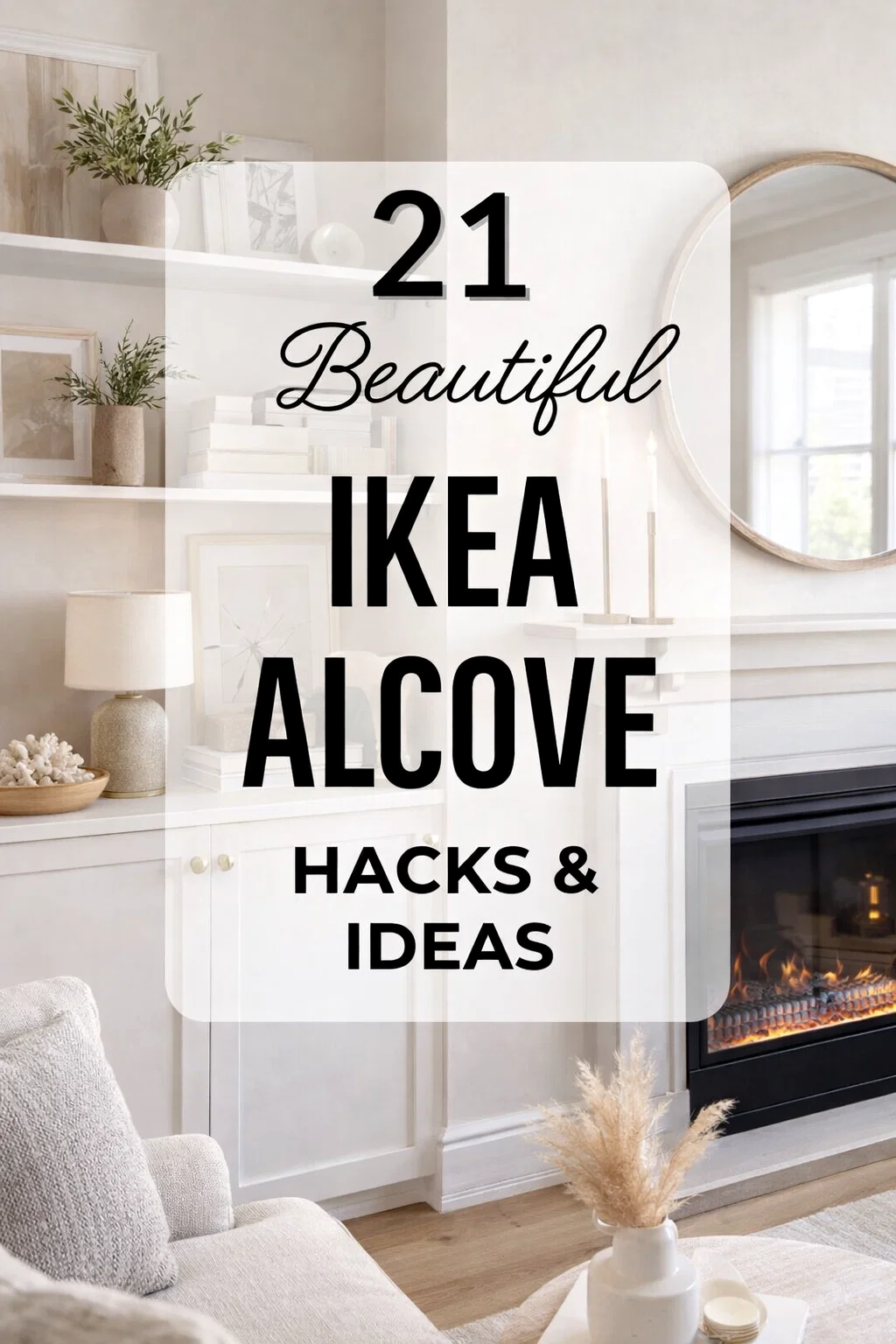
Transforming an empty nook into a functional masterpiece is the ultimate interior design win. If you have been staring at those awkward spaces on either side of your fireplace and wondering how to fill them without spending a fortune on custom cabinetry, you are in the right place. The magic of a well executed alcove project lies in its ability to blend seamless storage with high end aesthetics, and nothing makes that more achievable than a clever IKEA hack. By using affordable, modular furniture as a base, you can create a built in look that feels original to your home architecture while providing much needed organization for your living room.
The Power of the Alcove Transformation
Alcoves are often the most underutilized areas in a house. Frequently found in period properties flanking a chimney breast, these recessed spaces can easily become cluttered corners or dead zones. However, when treated with a bit of creativity, they offer the perfect opportunity to ground your living room design. A successful alcove hack does more than just add shelves; it balances the room, adds architectural interest, and provides a stage to showcase your personality through decor, books, and art.
The beauty of using IKEA products for this specific task is the sheer versatility of their dimensions. Whether you are working with the shallow depth of a Billy bookcase or the sturdier, cabinet style profile of the Havsta or Billy Oxberg series, there is almost always a configuration that fits. The goal is to move away from the look of freestanding furniture and toward something that feels intentional and permanent.
Choosing the Right IKEA Base for Your Space
Before you pick up a single tool, you need to decide which IKEA family will serve as the foundation for your alcove. This decision usually depends on the depth of your recess and what you intend to store. If you want a classic library feel, the Billy bookcase is the gold standard. It is thin enough to fit in tighter alcoves and can be stacked or modified easily. For those seeking a more traditional, chunky look with closed storage at the bottom, the Havsta series is a fantastic upgrade. It offers a more solid wood feel and comes with beautiful plinth details that look expensive once painted.
The Billy Bookcase Strategy
The Billy is the most popular choice for a reason. It is incredibly budget friendly and comes in various heights and widths. To make a Billy look like a custom built in, the secret is in the trim. By adding a header rail at the top and a wider baseboard at the bottom that matches your room existing moldings, you instantly bridge the gap between furniture and wall. Filling the shelf pin holes with specialized caps or wood filler before painting is another small step that makes a massive difference in the final quality.
The Havsta and Billy Oxberg Hybrid
If you prefer a mix of hidden storage and open display, consider using cabinets with doors for the bottom half of your alcove. This allows you to hide away electronics, board games, or messy cables while keeping the top half airy for styling. The Havsta units are particularly good for this because they have a timeless aesthetic that mimics traditional craftsmanship. Many DIY enthusiasts choose to use the base cabinets alone and then install floating thick timber shelves above them for a more modern, rustic contrast.
Essential Tools and Materials for a Professional Finish
To move your project from a basic assembly to a professional installation, you will need a few key items from your local hardware store. Success is found in the details, specifically how the units meet the walls and the ceiling. You will want to have the following items on hand:
- MDF or Timber Strips: These are used as “fillers” to close the gaps between the IKEA unit and the side walls.
- Caulk and Wood Filler: These are your best friends. Use them to hide seams, nail holes, and any slight imperfections in the fit.
- Primer and Cabinet Paint: IKEA furniture has a laminate finish, so a high quality bonding primer is essential to ensure your paint does not peel over time.
- Crown Molding: Adding molding to the top of the units where they meet the ceiling creates that elusive floor to ceiling built in appearance.
Step by Step Process for Your Alcove Hack
The first step is always measurement. Measure the width of your alcove at the bottom, middle, and top, as walls in older homes are rarely perfectly straight. Once you have your IKEA units, assemble them according to the instructions but leave off the back panels if you plan to paint the wall behind them for a pop of color. Secure the units to the wall using heavy duty brackets; safety is paramount, especially with tall shelving.
Next comes the framing. Use your timber strips to fill the vertical gaps on either side of the bookcases. This creates a flush surface that makes the units look like they were built into the wall. Once the fillers are in place, apply your baseboards and crown molding. This is the stage where the transformation truly begins to take shape. After the carpentry is finished, use caulk to seal every single joint. Smooth it out with a damp finger for a clean line that will look seamless once painted.
The Importance of Sanding and Priming
Do not skip the prep work. If you are painting your units a custom color, you must lightly sand the surface to give the primer something to grip. Use a dedicated laminate primer like Zinsser BIN or a similar bonding agent. Once the primer is dry, apply two coats of high quality furniture paint. Using a small foam roller will give you a smooth, spray like finish without the need for expensive equipment.
Styling Your New Built Ins
Once the paint has cured and your alcoves are looking sharp, the fun part begins. Styling your shelves is an art form that brings the whole living room together. A common mistake is crowding every shelf with too many small items. Instead, aim for a balanced mix of textures and heights. Use stacks of books both vertically and horizontally to create different levels. Integrate natural elements like woven baskets, small potted plants, or wooden bowls to soften the look of the structured shelving.
Creating Visual Interest with Lighting
If you want to take your alcove ideas to the next level, consider adding integrated lighting. Battery operated LED puck lights or motion sensor strip lights can be hidden under the shelves to provide a warm glow in the evening. This not only highlights your favorite decor pieces but also adds a layer of ambient lighting to the living room, making it feel cozy and sophisticated. For a more permanent solution, you can drill small holes for wiring before you secure the units to the wall.
Maximizing Small Spaces with Creative Thinking
If your alcove is particularly shallow, you might think you are limited in your options. However, even a shallow recess can house a beautiful gallery wall or a series of thin picture ledges. Another popular trend is the “cloffice” or closet office. By installing a desktop surface across the alcove and adding shelves above, you can create a dedicated workspace that does not intrude into the rest of the room. This is a perfect example of how IKEA hacks can adapt to modern lifestyle needs without requiring a total renovation.
Mirroring for Depth
For smaller living rooms, placing a mirror inside the alcove or behind the shelves can create an illusion of depth. As seen in many high end designs, an arched mirror sitting atop a lower cabinet reflects light back into the room and makes the space feel twice as large. This trick works exceptionally well when paired with soft white or cream colored cabinetry, as it enhances the bright and airy atmosphere of the home.
The Budget Breakdown: Why DIY Wins
A professional carpenter might charge thousands of dollars to design, build, and install custom alcove units. By taking the IKEA hack route, you can often achieve the same result for a fraction of the cost. The primary investment is your time and a few hundred dollars in materials. When you consider the value that built in storage adds to a property, this project offers one of the highest returns on investment for home improvement. It elevates the aesthetic value of the living room while providing practical solutions for everyday living.
Common Pitfalls to Avoid
One of the most frequent errors in DIY alcove projects is failing to account for baseboards or uneven floors. Always ensure your units are level before securing them, even if it means using shims at the base. Another tip is to be mindful of your color choices. While it is tempting to go for a bold, trendy color, neutral tones like off white, soft grey, or deep navy tend to have more longevity and appeal to a wider range of tastes if you ever decide to sell your home.
Furthermore, ensure that you do not block access to any electrical outlets. If your alcove has a power socket, cut a neat hole in the back of your IKEA unit or the side panel before installation. This allows you to plug in lamps, speakers, or chargers without having messy cables trailing across the floor or over the top of your beautiful new shelves.
Concluding Your Alcove Journey
Tackling an alcove project is a rewarding journey that turns a house into a home. By combining the affordability of IKEA furniture with a bit of DIY grit and some smart finishing touches, you can create a living room that looks like it stepped off the pages of an interior design magazine. The satisfaction of seeing your books, photos, and treasures displayed on shelves you customized yourself is incomparable. Whether you go for the classic look of a full height library or the modern feel of floating shelves over sleek cabinets, your alcoves are ready to become the star of your living space. Grab your measuring tape, head to your nearest blue and yellow warehouse, and start planning your transformation today.