
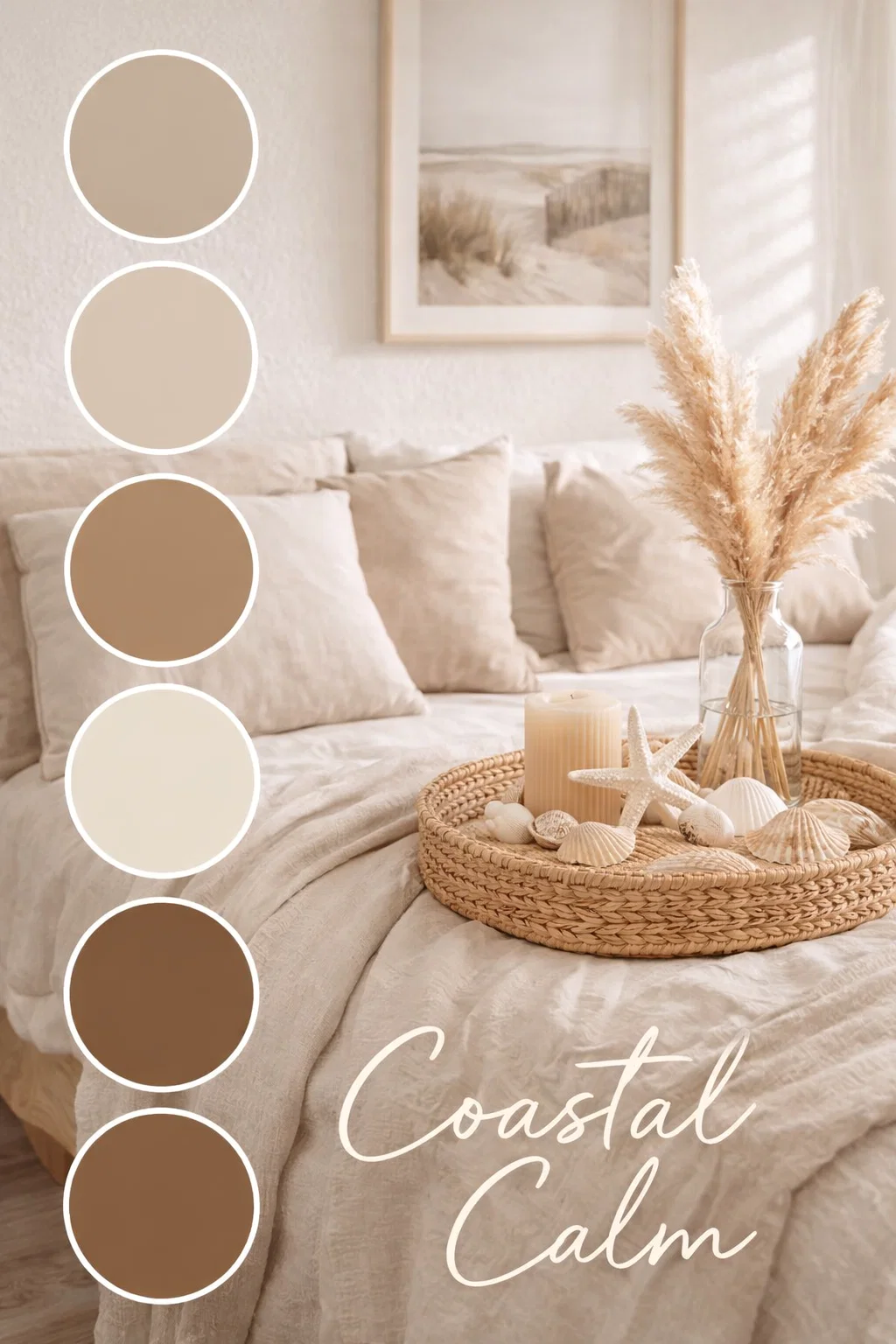
Imagine the feeling of warm, fine sand shifting between your toes as a gentle wave recedes back into the ocean. There is a reason why we flock to the coast when we need to recharge. The beach offers a sensory experience that is grounded, peaceful, and visually harmonious. Central to this experience is a color story that nature has perfected over millennia. The sand color palette is not just a collection of beiges; it is a sophisticated spectrum of creams, tans, and deep taupes that reflect the very essence of organic beauty.
In the world of design, whether you are styling a living room or building a digital brand, the power of neutrals cannot be overstated. While bold colors may grab attention momentarily, earth tones like those found in seashells and shoreline dunes provide a lasting sense of comfort. This guide explores how to harness the quiet strength of a sand-inspired palette to create spaces and projects that feel timeless, airy, and deeply connected to the natural world.
The Psychology of Neutral Sand Tones
Colors have a profound impact on our psychological state. When we look at a palette inspired by the beach, our brains immediately associate these hues with relaxation and safety. The light creams represent clarity and freshness, while the deeper browns offer a sense of stability and structure. Because these colors are found so abundantly in nature, they feel inherently “right” to the human eye.
Using a sand color palette in your environment can help reduce stress levels. In a fast-paced digital age, coming home to a space filled with soft oatmeal tones and warm wood accents acts as a visual reset. These colors do not demand your attention; instead, they support your well-being by creating a backdrop that is free of visual noise. This makes them ideal for bedrooms, home offices, and any area where focus and tranquility are paramount.
Deconstructing the Coastal Palette
To truly master this aesthetic, we have to look closely at the components that make it work. A successful sand palette is rarely monochromatic. Instead, it relies on a subtle layering of different shades that provide depth without creating harsh contrasts. Looking at the textures of seashells, you will notice that they are rarely one solid color. They contain swirls of ivory, flecks of gold, and shadows of charcoal.
The Base: Soft Creams and Ivories
Every great neutral palette starts with a clean base. Soft creams and ivories act as the “light” in your design. These shades mimic the foam of the waves and the brightest parts of a sun-bleached shell. They are essential for reflecting light and making a space feel larger and more open. If you are painting a room, choosing a cream with a warm undertone ensures the space feels cozy rather than clinical.
The Middle Ground: Beige, Tan, and Bisque
The heart of the palette lies in the mid-tones. These are the colors of the wet sand and the ridges of a conch shell. These shades bridge the gap between light and dark. They add a layer of warmth that prevents a neutral room from feeling “washed out.” In fashion, these are the classic camel coats and linen trousers that never go out of style. In graphic design, these tones provide a sophisticated background that makes photography pop.
The Anchor: Deep Taupes and Earthy Browns
Without a darker anchor, a sand palette can feel a bit floaty. Deep taupes, chocolate browns, and weathered wood tones provide the necessary weight to ground a design. These colors represent the shadows in the sand or the darker markings on a scallop shell. Using these sparingly as accents helps to define shapes and add a touch of modern elegance to the overall soft aesthetic.
Incorporating the Sand Palette into Interior Design
Bringing the beach home does not mean you need to decorate with anchors and life rings. True coastal style is about the atmosphere created by color and texture. The sand palette is incredibly versatile, fitting perfectly into minimalist, bohemian, or even contemporary industrial styles. The key is in how you layer these tones to create a cohesive look.
Focusing on Natural Textures
Because the color palette is restrained, texture becomes your best friend. To prevent a sand-colored room from looking flat, you should introduce a variety of materials. Think of a jute rug on a light oak floor, paired with a linen sofa and wool throw blankets. These materials all share similar hues but offer different tactile experiences. This mimicry of the outdoors brings an organic energy into the home that feels both curated and effortless.
The Role of Natural Light
Sand colors are transformative under different lighting conditions. During the golden hour, these tones will soak up the warm sunlight and glow with an orange or pinkish hue. In the morning, they might appear cooler and more gray. When choosing your palette, it is vital to test samples in the specific light of your room. A beige that looks perfect in a store might look slightly green or yellow in your living room depending on which direction your windows face.
Applying Neutral Tones to Branding and Graphic Design
In the digital world, the sand color palette has seen a massive surge in popularity. It is the hallmark of the “minimalist” and “clean girl” aesthetics that dominate social media. Brands that want to project an image of sustainability, luxury, and honesty often turn to these earthy neutrals. It suggests that the brand is grounded and doesn’t need to shout to be heard.
Creating a Sophisticated User Experience
Websites that use sand tones often feel more premium. High-end fashion labels and organic skincare brands use these palettes to create a sense of calm for the shopper. A soft beige background is much easier on the eyes than a stark white one, especially for long-form reading. It provides a “breathable” design that allows the product imagery to take center stage. When using this palette for typography, ensure you use a high-contrast dark brown or charcoal to maintain accessibility and readability.
Social Media Aesthetics
If you are a content creator, a sand color palette can give your feed a professional and cohesive look. By using consistent neutral filters and backgrounds, you create a recognizable brand identity. This palette is especially effective for lifestyle, wellness, and travel niches because it resonates with the viewer’s desire for a peaceful and curated life. It makes every photo feel like it belongs to a larger, beautiful story.
The Sand Palette in Fashion: Timeless and Effortless
Fashion icons have long relied on the “sand” spectrum to build a functional and stylish wardrobe. The beauty of these colors is that they are universally flattering. Whether it is a crisp cream shirt, a tan trench coat, or mocha-colored leather boots, these pieces act as the building blocks of a “capsule wardrobe.” They are easy to mix and match, ensuring you always look put-together without much effort.
Moreover, sand tones are seasonless. While we might associate them with summer linens, they transition perfectly into autumn knits and winter wools. Wearing a monochrome outfit in varying shades of sand creates a long, lean silhouette that exudes quiet luxury. It is an aesthetic that favors quality of fabric over loud logos or fleeting trends.
DIY Inspiration: Creating Your Own Sand-Inspired Projects
If you are feeling creative, there are endless ways to experiment with this palette at home. You can try your hand at “limewash” painting, which gives walls a textured, chalky appearance reminiscent of Mediterranean coastal villas. This technique works exceptionally well with sand and stone colors, as the natural variations in the paint create a sense of history and depth.
Another great project is creating your own textured wall art using plaster or sand-mixed acrylics. By sticking to a neutral palette, you can create a high-end look that complements your furniture. Even small changes, like updating your ceramic collection to pieces with raw, unglazed finishes in sandy hues, can make a significant difference in the overall mood of your kitchen or dining area.
Why the Sand Palette Will Never Go Out of Style
Trends come and go, but the colors of the earth are permanent. We are currently seeing a shift away from the “cool grays” that dominated the last decade toward these “warmer neutrals.” People are looking for more warmth and soul in their environments. The sand color palette provides exactly that. It is a bridge between the starkness of modern minimalism and the cluttered warmth of traditional styles.
As we move toward more sustainable living, our color choices are reflecting our desire to protect and honor the environment. Earth tones are a visual commitment to that connection. They remind us of the beauty of the natural world and the importance of slowing down to appreciate the simple things, like the pattern of shells on a beach or the way the tide cleans the shore.
Conclusion: Finding Your Calm in the Sand
The sand color palette is far more than a design trend; it is a philosophy of balance. By embracing these muted, organic tones, we invite a sense of the outdoors in. We create spaces that breathe, brands that feel authentic, and wardrobes that stand the test of time. Whether you use these colors in a large-scale renovation or a simple digital mood board, the result is always the same: a feeling of refined peace.
Next time you find yourself overwhelmed by the vibrant, clashing colors of the modern world, look back to the shoreline. Take inspiration from the humble seashell and the vast, shifting dunes. There is an incredible amount of power in the quietest colors. By surrounding ourselves with the shades of the sand, we find a way to stay grounded, no matter how the tides of life may change.