
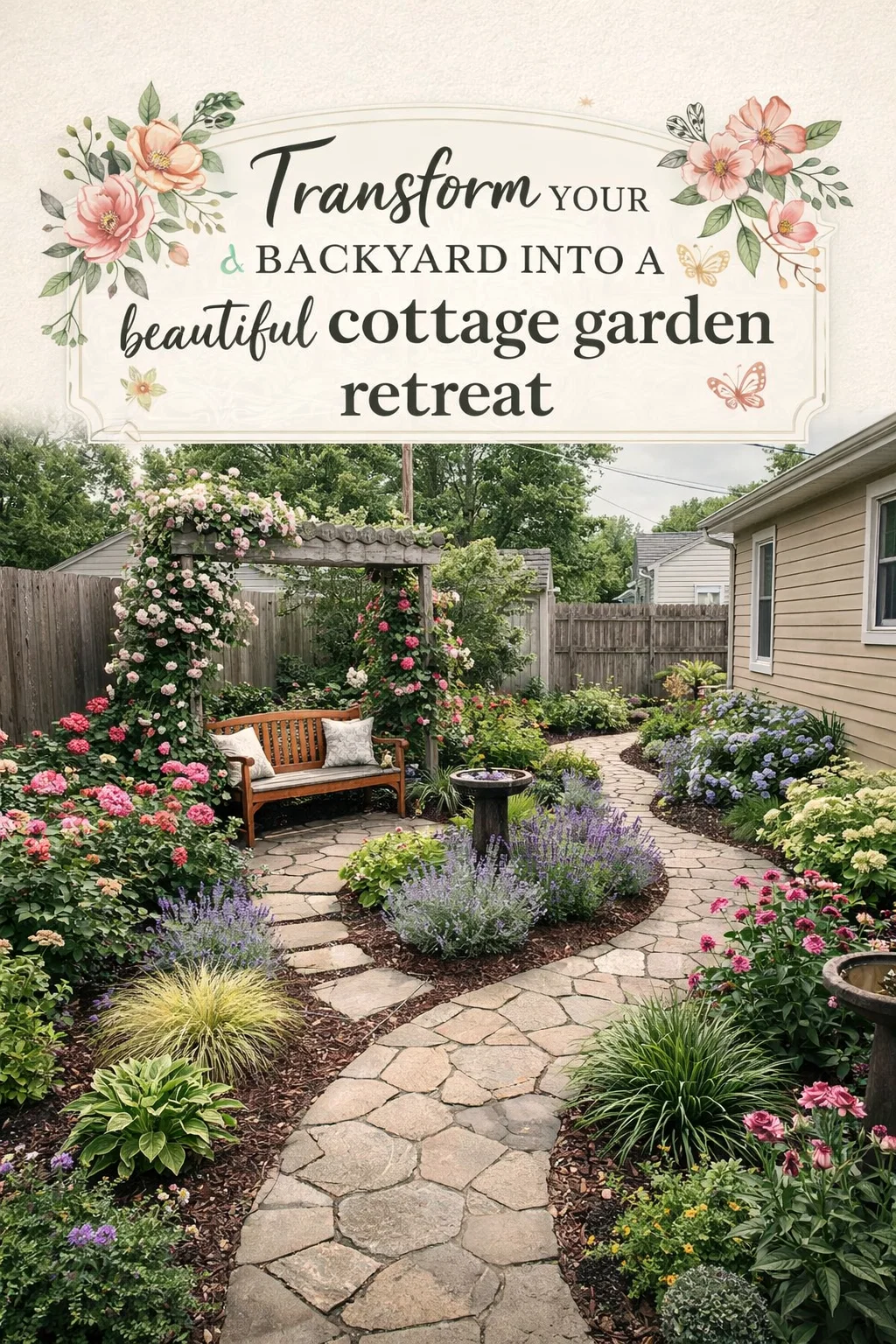
Transforming a dull, neglected outdoor space into a lush sanctuary is one of the most rewarding home improvement projects you can undertake. The dramatic shift from a patchy, weedy backyard to a vibrant cottage garden retreat is more than just an aesthetic upgrade; it is a lifestyle enhancement that adds value to your property and provides a peaceful escape right outside your back door. If you are staring at a dry patch of grass and wondering where to begin, this guide will walk you through the essential steps to achieve a professional level garden transformation in a single growing season.
Understanding the Cottage Garden Aesthetic
The charm of a cottage garden lies in its intentional lack of rigidity. Unlike formal gardens that rely on perfect symmetry and clipped hedges, the cottage style embraces a soft, overflowing, and slightly wild appearance. This style is characterized by dense plantings, a mix of ornamental and edible plants, and the use of natural materials like stone and wood. To replicate the success seen in the transformation image, you must focus on layers, textures, and a variety of flowering heights that create a sense of depth and abundance.
The Power of Vertical Interest
One of the most effective ways to change the feel of a backyard is to draw the eye upward. In the before and after comparison, the addition of a wooden pergola or arbor acts as a focal point. By training climbing roses or clematis to grow over these structures, you create a living ceiling. This not only provides shade but also breaks up the monotony of a flat fence line, making the garden feel more like an outdoor room than a simple yard.
Step 1: Clearing the Canvas and Soil Preparation
Before you can plant the garden of your dreams, you must address the foundation. A patchy lawn often indicates poor soil quality, compaction, or lack of nutrients. The first step in any major renovation is to clear out the weeds and unwanted grass. You can do this through manual removal, solarization, or by using the no-dig method where you layer cardboard over the weeds to smother them and build soil health simultaneously.
Amending the Soil for Success
Cottage garden plants are often heavy feeders that require well-draining soil rich in organic matter. Once the area is cleared, incorporate high-quality compost, aged manure, or leaf mold into the ground. Healthy soil ensures that your plants develop strong root systems quickly, which is vital if you want to see significant growth within a single season. Good soil also helps with water retention, reducing the amount of manual irrigation needed during the hot summer months.
Step 2: Defining the Layout with Hardscaping
Hardscaping refers to the non-living elements of your garden, such as paths, patios, and walls. In the successful transformation shown, the flagstone path is the backbone of the design. A winding path creates a sense of mystery and encourages people to slow down and enjoy the plants. Instead of a straight line, use gentle curves to guide the visitor through the space.
Choosing Materials for an Authentic Feel
For a cottage look, avoid cold, modern concrete. Instead, opt for irregular flagstones, pea gravel, or reclaimed bricks. These materials allow for small creeping plants like thyme or moss to grow in the crevices, further softening the landscape. The goal is to make the hardscaping look as though it has been there for decades, blending seamlessly with the surrounding flora.
Step 3: Creating Zones for Relaxation
A garden should be functional as well as beautiful. Incorporating a seating area, such as a wooden garden bench, provides a place to rest and appreciate the hard work. Positioning the bench under an arbor or near fragrant flowers like lavender or roses enhances the sensory experience. Additionally, adding a water feature like a birdbath provides a visual centerpiece and attracts local wildlife, adding movement and sound to the environment.
Step 4: Selecting the Right Plants
The key to the lush look of a cottage garden is variety. You want a mix of perennials, shrubs, and annuals that bloom at different times to ensure year-round interest. In the featured transformation, we see a beautiful blend of colors and textures that work together to fill the space completely.
Primary Flowering Shrubs
Hydrangeas are a staple of the cottage garden. Their large, pillowy blooms provide significant visual impact and can fill large gaps in the border. Roses, especially climbing varieties, add romance and fragrance. Choose disease-resistant varieties to ensure your garden remains low-maintenance while looking its best.
Perennials for Texture and Color
Plants like Echinacea (coneflowers), Lavender, and Nepeta (catmint) are excellent choices for the middle of the border. They offer long-lasting color and attract pollinators like bees and butterflies. In the example, the soft purple hues of the catmint contrast beautifully with the warm tones of the wooden bench and the vibrant pinks of the roses.
Groundcovers and Fillers
To avoid the patchy look of the before image, every inch of soil should eventually be covered by foliage. Use hostas in shadier spots to provide lush green leaves and use silver-foliaged plants like Lambs Ear to provide a cool contrast to bright flowers. Planting closely together not only creates the desired aesthetic but also naturally suppresses weeds by blocking out sunlight to the soil surface.
Step 5: Maintenance for a Flourishing Garden
While the cottage style looks effortless, it does require some regular upkeep to keep it from becoming truly overgrown or messy. Deadheading, which is the process of removing spent flowers, encourages the plants to produce more blooms and keeps the garden looking tidy. Mulching once a year helps retain moisture and continues to improve the soil quality over time.
Watering Strategies
Consistent moisture is crucial, especially during the first year of a garden renovation. Installing a drip irrigation system can save time and ensure that water reaches the roots directly, reducing the risk of fungal diseases on the foliage. If you prefer hand-watering, do so early in the morning to give the plants a good start before the heat of the day sets in.
The Benefits of a Backyard Transformation
Beyond the obvious visual appeal, transforming a weedy yard into a cottage garden has significant environmental and mental health benefits. Diverse plantings support local ecosystems by providing food and habitat for beneficial insects. For the homeowner, the act of gardening is a known stress-reliever, offering a chance to reconnect with nature and engage in a creative, physical activity.
Increasing Property Value
Curb appeal and backyard aesthetics play a major role in property valuation. A well-designed garden acts as an extension of the home living space. Prospective buyers are often drawn to outdoor areas that feel like a finished retreat rather than a chore waiting to be tackled. Investing in high-quality plants and hardscaping pays off in both daily enjoyment and long-term financial return.
Bringing Your Vision to Life
If you are looking at your own backyard and feeling overwhelmed, remember that every great garden started as a blank or messy slate. The transition seen in the photo is achievable for anyone willing to put in a few weekends of planning and planting. Start with a simple sketch, focus on improving your soil, and choose plants that thrive in your specific climate zone.
A cottage garden is a journey, not a destination. It will evolve every year as plants grow, self-seed, and find their place in the landscape. The most important part is to start. Within just a few months, those patches of bare dirt and weeds can be replaced by the soft rustle of leaves, the scent of roses, and a space you are proud to call your own.
Conclusion
The journey from a neglected backyard to a thriving cottage garden retreat is a testament to the power of gardening. By focusing on vertical elements, organic pathways, and a rich tapestry of plants, you can turn a mundane outdoor space into an extraordinary sanctuary. Whether you are sipping your morning coffee on a new garden bench or watching the sunset through the petals of a climbing rose, the effort you put into your garden today will provide beauty and tranquility for many years to come. Now is the perfect time to grab your shovel and start creating the backyard retreat you have always dreamed of.