
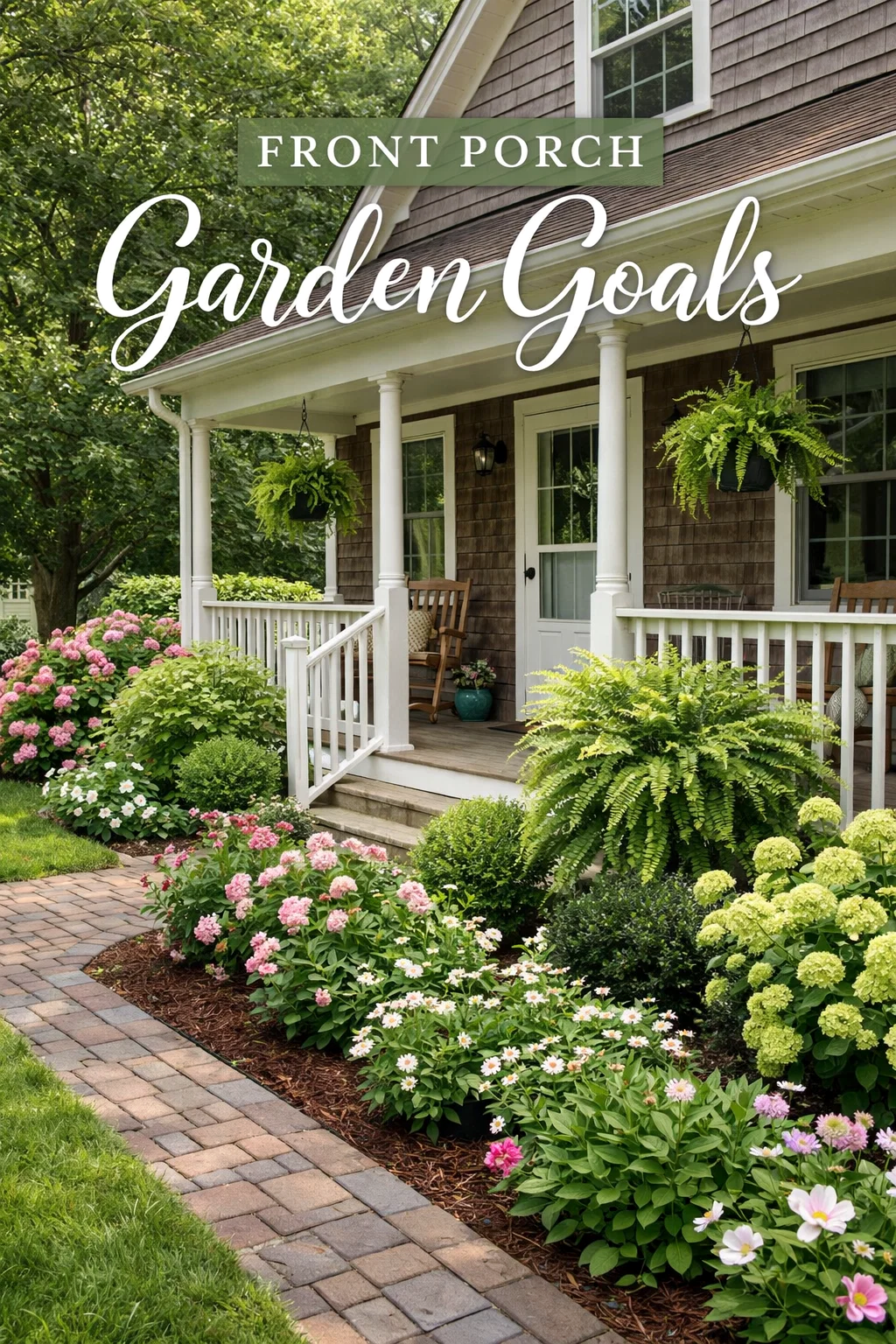
Creating a welcoming entrance is about more than just laying down some sod and planting a few bushes. It is about crafting a narrative for your home that begins the moment someone pulls into the driveway. The image of this charming cedar-shingled cottage serves as the perfect blueprint for what is possible when you combine classic architectural elements with a thoughtful, layered garden design. From the overflowing flower beds to the symmetrical porch greenery, every detail works in harmony to create an atmosphere of serenity and timeless beauty.
The Foundations of Great Front Entry Landscaping
The first step in achieving a professional looking landscape is understanding the architecture of your home. In this example, the weathered wood shingles and white trim provide a neutral yet textured backdrop that allows the colors of the garden to truly shine. When you are planning your own entry, consider the colors and materials of your exterior. A dark house might benefit from bright, white blooms, while a light-colored home can handle deep purples and vibrant pinks without feeling overwhelmed.
Structure is the skeleton of your garden. Notice how the use of boxwoods and round shrubs provides a permanent shape that stays green even when the flowers are not in bloom. This ensures that your front entry looks intentional and manicured throughout the seasons. By mixing these evergreen elements with soft, flowing perennials, you achieve a balance between formal structure and natural whimsical charm.
Designing with Layers and Height
One of the most effective techniques seen here is the use of layering. Instead of a single row of plants, the garden is designed in tiers. This adds depth and makes the space feel much larger than it actually is. To replicate this at home, think about your plant placement in three distinct zones:
- The Back Layer: Use taller shrubs or climbing plants against the house or porch railing. This creates a green wall that anchors the entire bed.
- The Middle Layer: This is where your showstoppers live. Hydrangeas and large peonies provide volume and a burst of color that draws the eye.
- The Front Layer: Finish the edge with lower-growing groundcovers or mounding flowers like daisies. This softens the transition between the garden bed and the walkway or lawn.
Choosing the Right Plants for Curb Appeal
The selection of plants in this garden is a masterclass in texture and color coordination. The choice of pink peonies, white daisies, and lime green hydrangeas creates a palette that feels fresh and energetic. When selecting plants for your front entry, it is vital to choose varieties that thrive in your specific climate and light conditions. A porch that faces north will need shade-loving plants, while a south-facing entrance can handle heat-loving succulents and sun-drenched perennials.
The Magic of Peonies and Hydrangeas
Peonies are often considered the crown jewels of the early summer garden. Their massive, fragrant blooms add a touch of luxury to any walkway. While they have a relatively short blooming window, their lush green foliage remains attractive for the rest of the season. Pairing them with hydrangeas is a brilliant move because hydrangeas typically take over the color show just as the peonies are fading. Limelight or Annabelle hydrangeas are particularly popular for front entries because their sturdy stems and large flower heads provide a clean, modern look that complements traditional architecture.
Incorporating Greenery and Ferns
Not every focal point in a garden needs to be a flower. The use of ferns in this design adds a prehistoric, lush quality that feels incredibly cooling during the summer months. Boston ferns in hanging baskets or large ostrich ferns planted in the shade of a porch provide a vibrant lime green color that contrasts beautifully with darker mulch. Ferns are also excellent for filling gaps where sunlight might be limited, ensuring that there are no “dead spots” in your landscaping design.
Enhancing the Porch Experience
Your landscaping should not stop at the edge of the dirt. Integrating your porch into the garden design creates a seamless transition from the outdoors to the indoors. This cottage uses hanging baskets and potted plants to draw the eye upward, making the porch feel like an outdoor room rather than just a transit point. This vertical interest is crucial for small front yards where ground space might be limited.
Symmetry and Balance
Notice the placement of the hanging ferns and the potted plants near the door. Symmetry creates a sense of order and calm. By mirroring elements on either side of the stairs or the front door, you create a formal frame that directs guests exactly where they need to go. If your home has an asymmetrical layout, you can still achieve balance by grouping plants of similar visual weight on opposite sides, even if the plant species themselves are different.
Practical Maintenance for a Picture Perfect Entrance
A beautiful garden requires consistent care to keep it looking its best. The crisp edges seen in the image are a result of deliberate maintenance. Using a metal or plastic edging tool helps keep the grass from encroaching on your flower beds, while a thick layer of dark brown mulch serves multiple purposes. Mulch suppresses weeds, retains moisture for your plants, and provides a professional, finished look that makes the colors of your flowers pop.
Watering and Feeding for Success
To keep hydrangeas and peonies looking as vibrant as the ones in the photo, a regular watering schedule is non-negotiable. Many homeowners find success with drip irrigation systems hidden under the mulch, which deliver water directly to the roots without getting the foliage wet. This is especially important for roses and peonies which can be prone to fungal issues if their leaves stay damp. Additionally, a slow-release fertilizer applied in early spring will give your plants the nutrients they need to produce those giant, eye-catching blooms.
Creating a Pathway That Invites Exploration
The walkway is the literal path to your home, and it should be as beautiful as the garden surrounding it. The stone pavers used in this design offer a sturdy, flat surface that feels permanent and high quality. When designing your walkway, consider the width. A path should be wide enough for two people to walk side-by-side comfortably. Curving the path slightly rather than running a straight line can also add a sense of mystery and charm, making the walk to the front door feel like a short journey through a private park.
Lighting the Way
While the image shows the garden in the full glow of daylight, don’t forget how your landscaping will look at night. Low-voltage LED lighting tucked into the flower beds can highlight the texture of the hydrangea leaves and the shape of the shrubs. Path lights ensure safety for guests while also extending the “view” of your garden long after the sun has set. Uplighting a particularly beautiful tree or a structural element of the porch can add a dramatic, high-end feel to the property.
The Impact of Seasonal Color Rotations
One secret to a front entry that always looks fresh is planning for seasonal rotations. While the peonies and hydrangeas are the stars of the summer, you can tuck bulbs like tulips and daffodils among them for a burst of spring color. In the autumn, the green shrubs provide a backdrop for pumpkins, mums, and ornamental kale. By using the permanent shrubs as your base, you can easily swap out smaller flowering plants to keep the “wow factor” alive all year long.
The Role of Window Boxes and Containers
If you have limited space for large flower beds, window boxes are a fantastic alternative. They allow you to bring the garden right up to the house and can be viewed from both inside and out. Matching the plants in your window boxes to the ones in your ground-level beds creates a cohesive look that ties the whole property together. Containers on the porch steps are another great way to add height and variety, allowing you to experiment with different colors and textures without committing to a permanent spot in the ground.
Conclusion
Transforming your front entry into a stunning landscape is one of the most rewarding home improvement projects you can undertake. It is an investment that pays off every time you arrive home and see a lush, vibrant welcome waiting for you. By following the principles of layering, choosing a cohesive color palette, and maintaining clean lines, you can recreate the timeless cottage look seen in this beautiful garden. Remember that a garden is a living thing that evolves over time, so do not be afraid to experiment and find the combinations that speak to your personal style. Whether you are planting your first peony or refining a long-standing garden, the effort you put into your front entry will be felt by everyone who walks through your door. Start small, plan with intention, and watch as your home’s curb appeal blossoms into something truly extraordinary.