
Transforming the front of your home does not have to involve a massive renovation or a professional construction crew. Sometimes, the most impactful change comes from the earth itself. Well-designed flower beds can instantly elevate your curb appeal, making your home feel more inviting and established. If you have been searching for a way to add life to your exterior without committing to hours of grueling yard work every weekend, focusing on low maintenance perennials is the absolute best strategy. These hardy plants are the workhorses of the garden, returning year after year with more vigor and beauty, allowing you to spend more time enjoying the view and less time pulling weeds.
The Magic of Full Sun Perennials for Curb Appeal
When you look at a vibrant garden bed right against a house, you are seeing more than just plants. You are seeing a deliberate choice to enhance the architecture of the home. Full sun perennials are particularly effective for front yard landscaping because they thrive in the bright, open conditions often found near entryways and driveways. These plants have evolved to soak up the heat and light, turning that energy into brilliant colors and lush textures that remain resilient even during the hottest days of summer.
The beauty of using perennials in your front flower beds is the sense of permanence they provide. Unlike annuals that need to be replaced every season, perennials establish deep root systems. Over time, they fill in the gaps, creating a dense carpet of foliage that naturally suppresses weeds. This means that after the initial planting phase, your main task is simply to watch them grow and perhaps provide a bit of water during dry spells.
Selecting the Right Plants for Your Front Yard
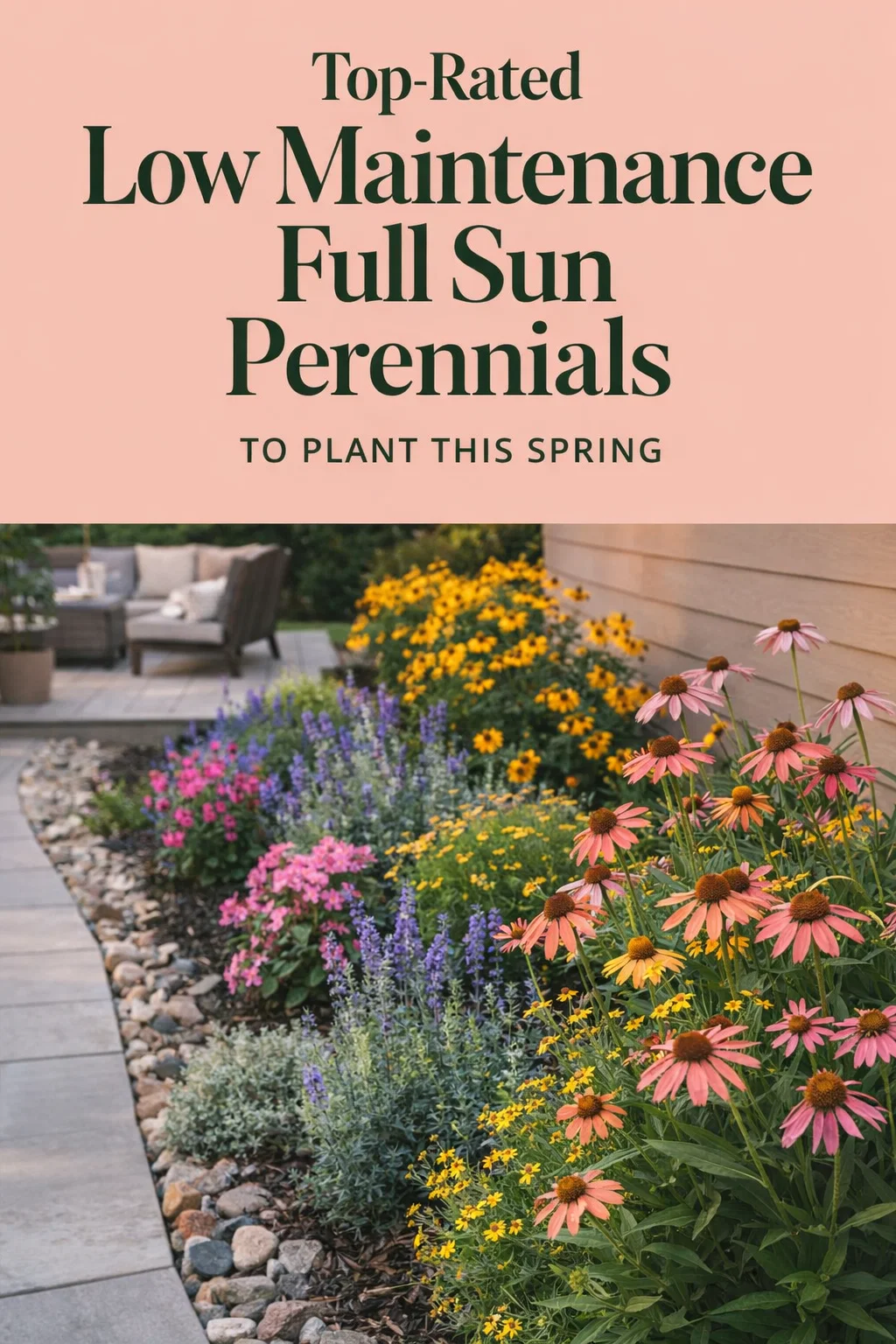
Success in the garden starts with choosing species that actually want to be there. For a front yard that looks professional and polished, you want a mix of heights, colors, and bloom times. The image of a thriving border often includes classics like Coneflowers (Echinacea) and Black-eyed Susans (Rudbeckia). These are popular for a reason. They are incredibly tough, drought-tolerant, and offer a long blooming season that keeps your house looking cheerful from mid-summer through the first frost.
Beyond the bright yellows and pinks, consider adding structural elements. Lavender or Salvia provide beautiful spires of purple that add a vertical dimension to the bed. Their silvery-green foliage also offers a nice contrast to the deep greens of other plants. When you variety your selections, you ensure that even when one plant is finished blooming, another is just beginning its show.
Designing Your Flower Beds for Maximum Impact
Designing a flower bed is a bit like decorating a room inside your house. You want to think about layers, focal points, and how the different elements interact with one another. A common mistake is planting everything in a straight line or at the same height, which can look a bit flat. To get that lush, layered look seen in professional landscapes, follow a few simple design principles.
Layering by Height
Always place your tallest plants toward the back of the bed, closest to the house siding or the porch. Medium-height plants go in the center, and the shortest, creeping varieties go right along the edge. This creates a stadium seating effect where every plant is visible. For example, use tall ornamental grasses or large shrubs like Hydrangeas in the back, fill the middle with mid-sized perennials like Coneflowers, and finish the front with low-growing Sedum or creeping Phlox.
The Power of Repetition
To make a DIY flower bed look professionally designed, use the power of repetition. Instead of buying one of every plant at the garden center, buy three or five of the same variety and plant them in drifts or clusters. Repeating the same color or texture along the length of your house creates a sense of rhythm and harmony. It leads the eye naturally toward your front door, which is exactly what good curb appeal should do.
Incorporating Hardscape and Texture
A great flower bed is not just about the flowers. The materials you use around the plants are just as important for the overall aesthetic. Using natural elements like river rocks, wood mulch, or stone edging can define the space and provide a clean finish. In many modern rustic or boho designs, a combination of smooth stones and dark mulch helps the colors of the perennials pop while also serving a functional purpose.
Using Rocks for Edging and Drainage
Stone edging is a fantastic way to separate your garden bed from your lawn or walkway. It prevents grass from creeping into your flowers and gives the garden a permanent, structured look. River rocks are also excellent for areas where water might runoff from your roof. They help with drainage and prevent soil erosion, all while adding a rugged, natural texture that complements the softness of the blooms.
The Importance of Quality Mulch
Never underestimate the power of mulch. Beyond making the garden look “finished,” a thick layer of organic mulch helps retain moisture in the soil and regulates temperature. This is crucial for full sun perennials that have to deal with intense heat. Darker mulches, like cedar or hemlock, provide a beautiful backdrop that makes the green foliage and bright flowers stand out dramatically.
Maintaining Your Low Maintenance Garden
While the goal is low maintenance, no garden is zero maintenance. However, by choosing the right plants and setting them up correctly, your chores will be minimal. The key is to work with nature rather than against it. Most full sun perennials are incredibly hardy once they are established, but they do appreciate a little attention during their first year in the ground.
Watering and Establishment
During the first growing season, your new perennials need consistent moisture to help their roots grow deep. Once they have gone through a full winter and come back the following spring, they are usually much more drought-tolerant. A good rule of thumb is to water deeply once or twice a week rather than giving them a light sprinkle every day. This encourages the roots to grow downward toward the groundwater rather than staying near the surface.
Deadheading and Pruning
Many perennials, like Black-eyed Susans and Salvia, will produce even more flowers if you “deadhead” them. This simply means snipping off the spent blooms before they turn to seed. This tells the plant to put its energy into making more flowers instead of making seeds. At the end of the season, or in early spring, you can cut the dead foliage back to the ground to make way for fresh, green growth.
Benefits of a Perennial Front Yard
Investing in perennials is a smart move for any homeowner. Not only does it increase the value of your property, but it also provides environmental benefits. Many of the best full sun perennials are magnets for pollinators. By planting species like Bee Balm or Coneflowers, you are providing a vital food source for butterflies, bees, and hummingbirds. Watching these visitors from your front porch adds an extra layer of joy to your gardening efforts.
Furthermore, gardening has been shown to be a wonderful way to reduce stress and practice mindfulness. Spending even twenty minutes outside tending to your plants can lower cortisol levels and improve your mood. When your garden is right in front of your house, you get that boost of happiness every single time you pull into your driveway or walk out to get the mail.
Creating a Welcoming Entrance
Ultimately, the flower beds in front of your house are the first impression people have of your home. They set the tone for what is inside. By choosing a palette of low maintenance, sun-loving perennials, you create a space that looks curated and cared for without needing a professional gardener on payroll. Whether you prefer the wild look of a cottage garden or the clean lines of a minimalist landscape, the principles of good soil, proper layering, and hardy plant selection remain the same.
You can start small by digging out one section along your walkway and gradually expanding it each season. As your perennials grow and spread, you can even divide them and move pieces to other parts of your yard, effectively getting new plants for free. This sustainable approach to landscaping ensures that your home continues to get more beautiful with each passing year.
Final Thoughts on Garden Transformation
Growing a beautiful front yard is a journey that pays off in color, fragrance, and pride. By focusing on perennials that love the sun, you are setting yourself up for long-term success. Remember to play with textures, use rocks to your advantage, and don’t be afraid to try new combinations. Your front flower beds are an extension of your personality and a gift to the neighborhood. Grab a shovel, pick out your favorite blooms, and start creating the outdoor space you have always dreamed of having. Happy gardening!