
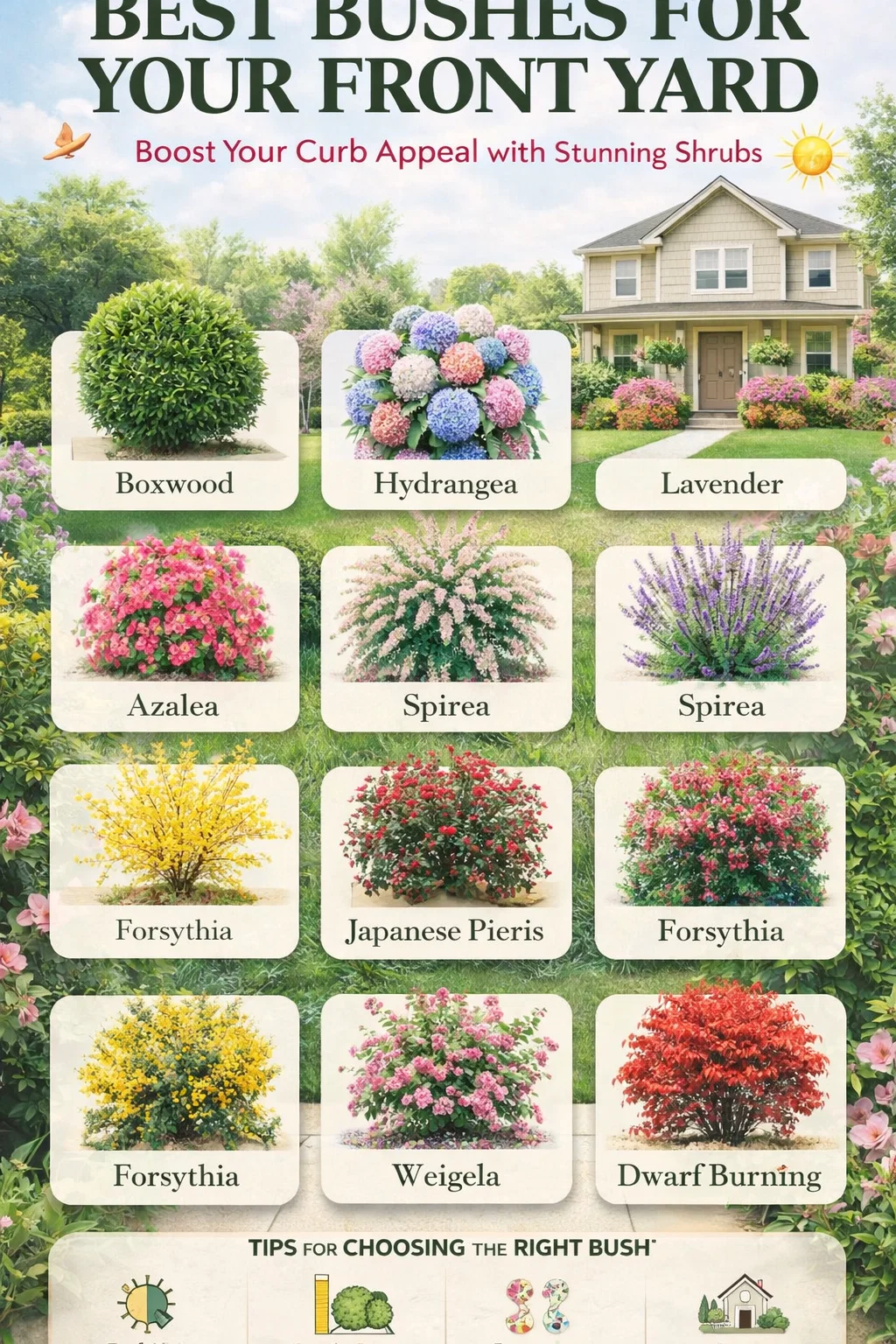
Boosting your home’s curb appeal often starts with the foundation of your landscape: the shrubs and bushes that frame your front yard. A well-designed flower bed does more than just fill space; it provides structure, color, and a sense of personality that reflects the people living inside. Choosing the right plants can feel overwhelming with so many varieties available, but focusing on reliable, stunning shrubs ensures your garden looks professional and polished year round. Whether you are a seasoned gardener or a beginner looking to make a big impact with minimal effort, selecting the right combination of greenery and blooms is the secret to a front yard that stands out in the neighborhood.
The Importance of Strategic Shrub Selection
When you begin planning your front yard flower beds, it is essential to think about the long term. Shrubs are the backbone of the garden. Unlike annual flowers that need to be replaced every year, these woody plants provide a permanent framework. The right selection can hide unsightly foundations, create privacy, and even increase your property value. By choosing bushes that thrive in your specific light conditions and soil type, you save yourself hours of maintenance and frustration down the line. The goal is to create a landscape that works for you, providing beauty through every season without requiring constant intervention.
Assessing Your Light and Soil
Before you head to the nursery, take a day to observe how the sun moves across your front yard. Some plants, like Lavender and Forsythia, crave full sun to produce their best flowers. Others, such as the spectular Azalea or the elegant Rhododendron, prefer the dappled shade found under taller trees or on the north side of a building. Knowing your light levels prevents the common mistake of planting a sun lover in the shadows, where it will likely become leggy and sparse. Additionally, checking your soil pH is a game changer. Plants like Japanese Pieris and Azaleas thrive in acidic soil, while others are more flexible. A quick soil test can tell you exactly what you need to add to ensure your new additions flourish.
Classic Shrubs for Year Round Structure
Structure is what keeps a front yard looking intentional during the quiet winter months. Without evergreen plants, a garden can look bare and skeletal once the leaves fall. Incorporating classic evergreens ensures that even in the middle of January, your home feels framed and cared for.
Boxwood: The Formal Favorite
Boxwoods are the gold standard for formal hedging and shaping. Their small, dense leaves and slow growth habit make them incredibly easy to maintain in a neat, tidy shape. You can use them to create low borders along a walkway or as round “punctuation marks” at the corners of your flower beds. They are remarkably shade tolerant and stay deep green all year, providing a consistent backdrop for more colorful seasonal flowers. If you want a classic look that never goes out of style, Boxwood is a must have.
Holly: Winter Interest and Wildlife
Holly bushes are famous for their glossy, spiny leaves and bright red berries. They are fantastic for adding a festive touch to your yard during the winter. Beyond their looks, Holly is a favorite for birds, providing them with essential food and shelter during the colder months. Many varieties are very hardy and can handle shade well, making them a versatile choice for the tougher spots in your front yard. Just remember that many Holly varieties require both a male and female plant nearby if you want to see those iconic red berries.
Adding Explosions of Seasonal Color
While evergreens provide the bones of the garden, flowering shrubs provide the magic. By selecting bushes that bloom at different times, you can ensure a constant rotation of color from early spring through the end of summer.
Hydrangeas: The Summer Showstoppers
Few plants can compete with the massive, colorful blooms of the Hydrangea. These bushes are beloved for their ability to produce huge clusters of flowers in shades of blue, pink, and white. One of the most fascinating aspects of many Hydrangeas is that their flower color can change based on the acidity of your soil. Acidic soil produces blue blooms, while more alkaline soil leads to pink. They thrive in part shade and need moderate water, making them perfect for the side of the house that gets morning sun and afternoon relief from the heat.
Spirea: Tough as Nails Beauty
If you want a plant that is virtually indestructible and still looks beautiful, Spirea is the answer. These shrubs produce masses of delicate flowers on arching branches throughout the spring and summer. They are incredibly reliable and can handle a variety of soil conditions. Spirea is also a great choice for those who want a more “cottage garden” or “boho” feel, as their natural shape is soft and flowing rather than rigid and formal.
Forsythia: The First Sign of Spring
Forsythia is often the very first plant to bloom in the spring, exploding into a cloud of bright yellow flowers before its leaves even appear. It is a joyful sight after a long winter and signals that the gardening season has officially begun. These bushes are fast growing and very easy to care for. Because they can get quite large, they are best used to frame the corners of a house or as a vibrant backdrop for smaller plants.
Unique Textures and Sensory Appeal
A truly great front yard engages more than just the eyes. By choosing plants with unique leaf textures or delightful scents, you create a multi sensory experience for everyone who walks up to your front door.
Lavender: Fragrance and Pollinators
Lavender is a dream for sunny front yards. Its silvery foliage and fragrant purple blooms are iconic. Not only does it smell amazing every time you brush past it, but it is also a magnet for bees and butterflies. Lavender is extremely drought tolerant once it is established, making it a sustainable choice for drier climates. It pairs beautifully with stone paths and rustic decor styles, adding a touch of Mediterranean charm to your landscaping.
Japanese Pieris: Year Round Interest
Japanese Pieris is an often overlooked gem that offers something in every season. It is an evergreen, so it stays green all winter. In the spring, it produces cascading clusters of bell shaped flowers that look like lilies of the valley. Perhaps its most striking feature is the new growth, which often emerges in bright shades of red or bronze before turning green. It is a slow growing, elegant shrub that adds a sophisticated touch to any flower bed.
Choosing the Right Scale for Your Home
One of the biggest mistakes homeowners make is not considering the mature size of the plants they buy. That cute little shrub in the gallon pot at the store could easily turn into a monster that blocks your windows and covers your porch within five years. When designing your front flower beds, always check the label for the mature height and width.
- Under Windows: Choose dwarf varieties or low growing shrubs like certain Spireas or smaller Boxwoods. This ensures your view from the inside remains unobstructed.
- Framing Corners: Use taller, more upright shrubs like the Rose of Sharon or Weigela. These help to soften the vertical lines of your home and make the structure feel more integrated with the land.
- Along Walkways: Stick to plants that stay within their bounds and do not have thorns, like Lavender or small Azaleas, to keep the path clear and welcoming.
Maintenance Tips for a Flourishing Front Yard
While the shrubs mentioned here are generally low maintenance, a little bit of care goes a long way in keeping them looking their best. Planting in the autumn or spring gives your bushes the best chance to establish their root systems before the stress of extreme summer heat or winter cold. During the first year, consistent watering is vital. Once the roots are deep and strong, many of these varieties become quite self sufficient. Mulching your flower beds with organic material like wood chips or shredded leaves helps retain moisture, suppress weeds, and improves the soil quality over time as it breaks down.
Pruning for Shape and Health
Don’t be afraid of the pruning shears. Most shrubs benefit from a light trim to remove dead wood and encourage new growth. For flowering bushes, the timing is key. As a general rule, prune spring blooming shrubs right after they finish flowering, and summer blooming shrubs in late winter or early spring before they start to grow. This ensures you don’t accidentally cut off next year’s flower buds.
Creating a Welcoming Atmosphere
Your front yard is the first thing people see, and it sets the tone for your entire home. By mixing evergreen structure with bursts of seasonal color and interesting textures, you create a landscape that feels alive and cared for. Think about the colors of your home’s exterior and choose plants that complement them. A white house looks stunning behind the deep reds of a Dwarf Burning Bush in autumn, while a brick home is beautifully offset by the cool purples of Lavender or the soft pinks of a Rhododendron. Landscaping is an art form, but with these reliable shrubs as your palette, it is an art form that anyone can master.
Investing time in your front flower beds is a rewarding project that pays off every time you pull into your driveway. By selecting the right plants for your environment and arranging them with care, you can transform a plain yard into a stunning display of natural beauty. Whether you prefer the tidy lines of a formal garden or the wild abundance of a floral paradise, these bushes provide the perfect starting point for your outdoor journey. Happy gardening!