
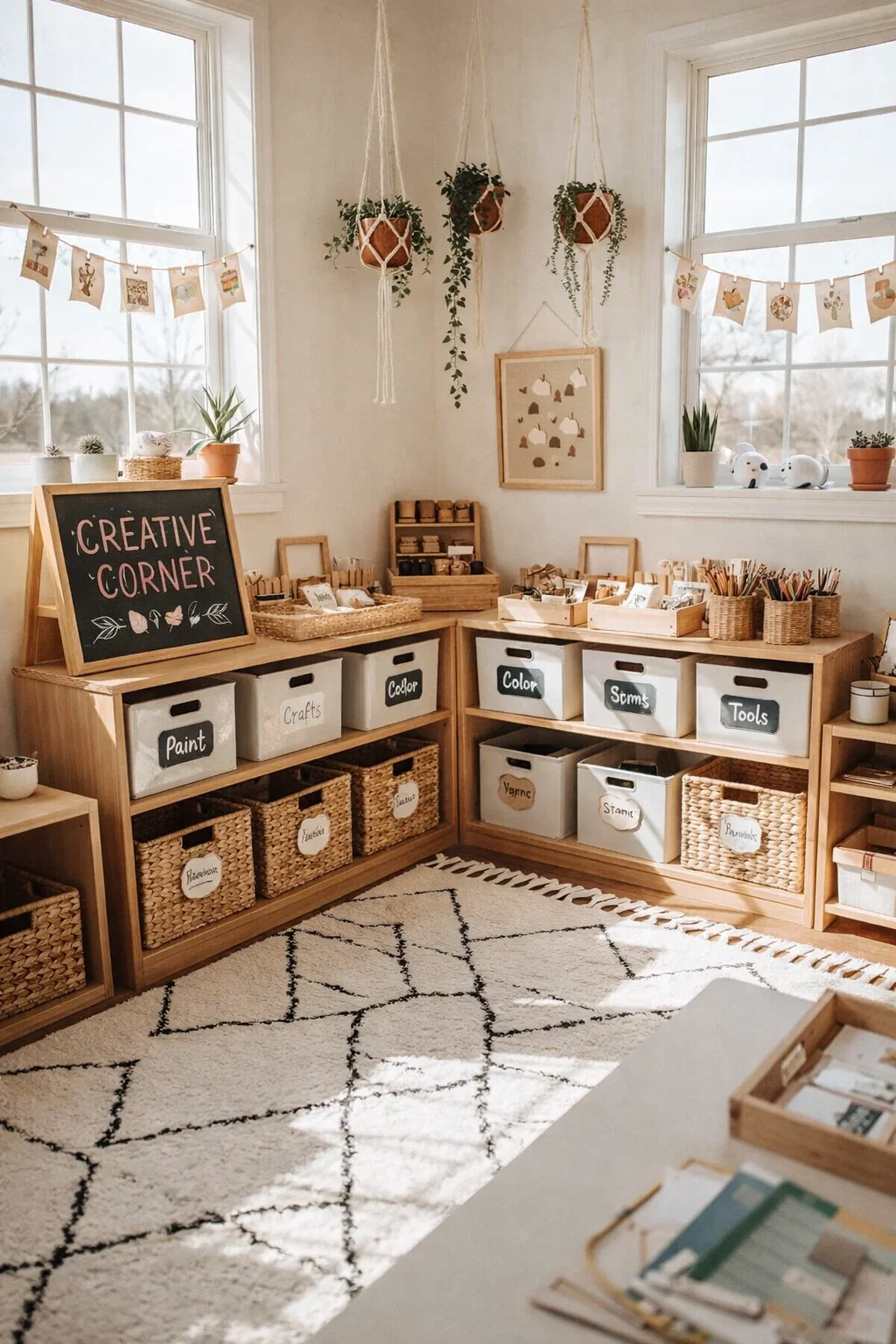
Creating a learning environment that feels less like a sterile institution and more like a nurturing home is a growing movement in modern education. When you look at a space filled with natural light, soft textures, and organic materials, there is an immediate sense of calm that settles over the room. This is the heart of the boho Montessori aesthetic, a design philosophy that prioritizes the child’s sensory experience while maintaining a clutter-free, organized atmosphere. By moving away from neon plastics and overstimulating wall displays, educators and parents are discovering that children can focus more deeply and engage more authentically with their learning materials.
The Philosophy of a Boho Montessori Space
The Montessori method has always emphasized beauty and order. Maria Montessori believed that the environment should be a prepared space where every object has a purpose and a place. When you blend this with the bohemian design style, you get a beautiful marriage of functionality and soul. The boho influence introduces warmth through textiles like jute, cotton, and wool, while the Montessori influence ensures that everything is accessible to the child. This combination encourages independence because the space is not just beautiful to look at, it is designed for the child to use without constant adult intervention.
Prioritizing Natural Materials
One of the first things you notice in a well-designed boho classroom is the absence of bright, synthetic materials. Instead, the room is anchored by wood. Light-colored woods like birch, pine, or maple provide a neutral backdrop that allows the actual learning toys to stand out. Using wooden shelving units that sit low to the ground allows even the youngest toddlers to reach their favorite activities. This physical accessibility is a cornerstone of developing self-reliance and confidence in a learning environment.
Effective Organization with Woven Textures
Clutter is the enemy of focus. In a traditional classroom, plastic bins are often stacked high, hiding the contents and making it difficult for children to find what they need. In a boho-inspired space, organization becomes part of the decor. Woven seagrass baskets and wicker bins are excellent alternatives to plastic. They add a tactile element to the room, inviting children to touch and explore. These natural fibers also dampen sound, which helps maintain a quieter, more peaceful room during busy activity periods.
The Power of Labeling and Visual Cues
Even with beautiful baskets, organization only works if it is intuitive. Using small, aesthetically pleasing labels on bins helps children identify where items belong. In a Montessori setting, these labels often include both a word and a simple icon or photo of the object. This supports early literacy and ensures that the cleanup process is a learning opportunity rather than a chore. When a child knows exactly where the wooden blocks or the art supplies go, they take pride in maintaining the order of their environment.
Bringing the Outdoors In with Greenery
No boho space is complete without life. Integrating indoor plants into a classroom or playroom serves multiple purposes. Visually, the pops of green against neutral tones create a vibrant, healthy energy. Practically, caring for plants is a classic Montessori practical life activity. Whether it is a trailing pothos in a hanging macramé planter or a small succulent on a windowsill, these plants teach children about biology, responsibility, and the delicate nature of living things. It transforms the room from a static box into a breathing ecosystem.
Choosing Child-Safe Greenery
When selecting plants for a child-centric space, safety is the priority. Stick to non-toxic varieties like spider plants, Boston ferns, or succulents that do not have sharp spines. Placing some plants on high shelves or in hanging planters keeps the room looking lush while keeping delicate leaves out of reach of very small hands, while lower plants can be designated for the children to water and mist daily.
Creating Cozy Zones for Focused Learning
A large, open floor can sometimes feel overwhelming to a child. Breaking the room into smaller, defined zones helps them understand the different types of work they can do. A high-quality rug is the best way to define these areas. A plush, neutral rug with a simple geometric pattern can serve as a gathering spot for group lessons or a soft place for a child to spread out a floor puzzle. Rugs also provide essential floor padding, making it comfortable for children to work at their own level rather than being confined to a desk and chair all day.
The Importance of Vertical Space
While the floor is where most of the action happens, the walls should not be ignored. However, instead of filling every inch with posters, the boho approach uses vertical space sparingly. Hanging simple wooden frames, fabric banners, or even a small chalkboard at the child’s eye level creates a gallery-like feel. This respects the child’s perspective and ensures that the information on the walls is actually being seen and processed rather than becoming background noise.
Lighting and the Sensory Environment
Lighting plays a massive role in how a child feels in a room. Harsh fluorescent lights can often trigger anxiety or hyperactivity. A boho classroom maximizes natural light from windows whenever possible. For darker days, using lamps with warm-toned bulbs or even strings of fairy lights can create a magical, cozy atmosphere. This soft lighting signals to the brain that it is time to be calm and focused, which is especially helpful during reading time or quiet work periods.
Minimalism as a Teaching Tool
It is tempting to fill every shelf with every toy you own, but the Montessori way suggests that less is more. By rotating toys and materials, you keep the environment fresh and exciting. A minimalist approach reduces the “choice paralysis” that many children feel when faced with too many options. When the shelves are curated with just a few high-quality, beautiful items, the child is more likely to engage deeply with one task for a longer duration, building their concentration span.
Practical Tips for a Classroom Refresh
If you are looking to transition your current space into a boho Montessori haven, you do not have to do it all at once. Start by clearing out the plastic and the bright primary colors. Replace one set of bins with wicker baskets. Add a single hanging plant. Swap out a busy rug for something neutral. Small changes quickly add up to a significant shift in the energy of the room. Always ask yourself if a piece of furniture or decor serves the child’s independence or if it is just taking up space.
Incorporating Art and Creativity
Art supplies should be as beautiful as the masterpieces they create. Storing colored pencils in small wooden pots or wicker cups makes them look like part of the decor. Providing high-quality paper and natural pigments encourages children to see art as a serious and beautiful endeavor. In a boho space, the art area is often one of the most used sections, as the environment naturally inspires creativity and self-expression.
Conclusion: The Lasting Impact of a Beautiful Space
Designing a boho Montessori environment is about more than just a trend on social media. It is about creating a sanctuary where a child feels respected, calm, and inspired. When we provide children with a space that is orderly, beautiful, and filled with natural elements, we are telling them that their education and their comfort matter. This intentionality fosters a lifelong love of learning and a deep appreciation for the world around them. By stripping away the distractions of the modern, plastic-filled world, we give children the room they need to grow, explore, and become their best selves in a space that truly feels like home.