
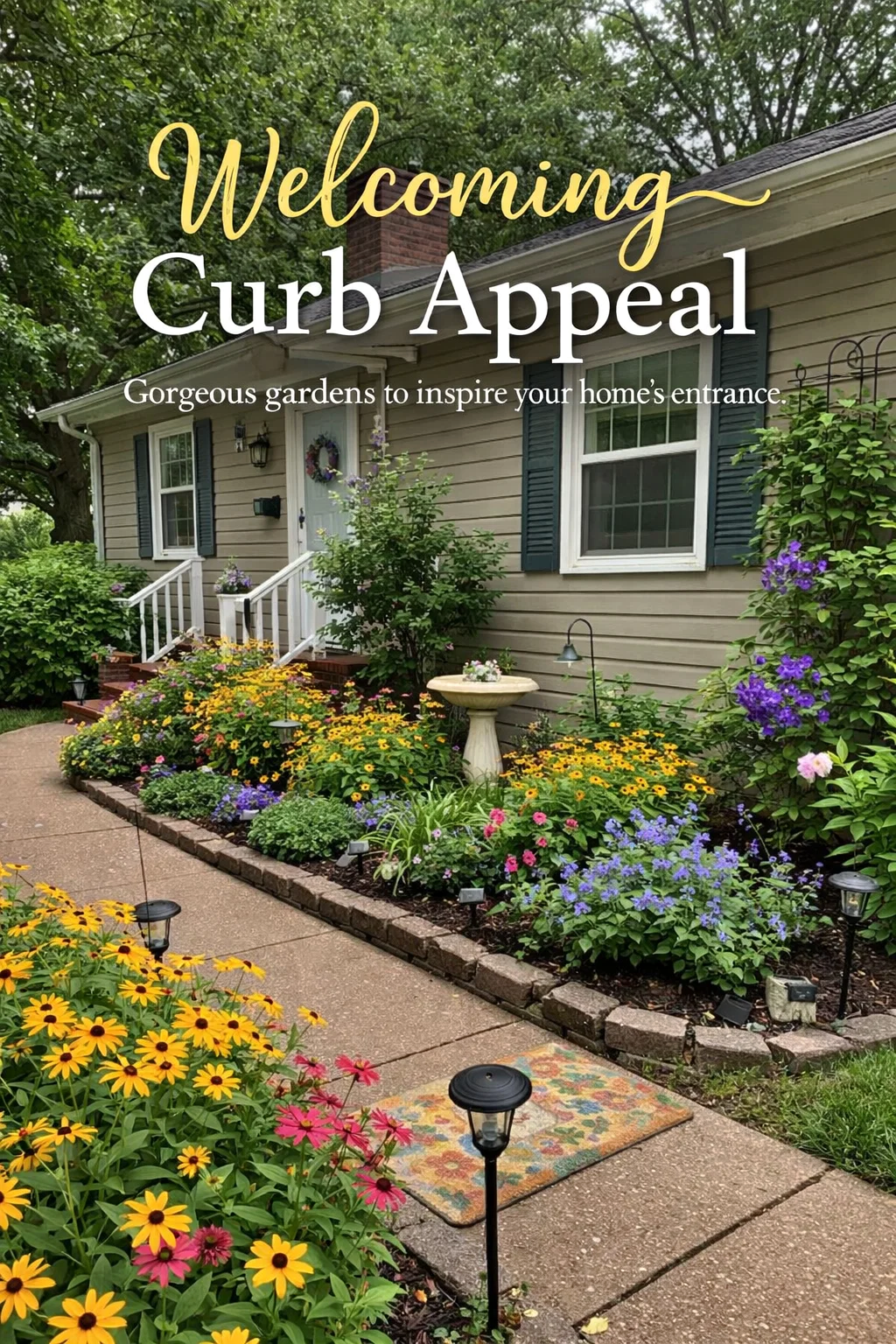
Creating a front yard that stops neighbors in their tracks does not require a massive budget or a team of professional designers. As seen in the charming cottage style home featured in our inspiration image, the secret lies in a thoughtful blend of color, texture, and structure. There is something deeply satisfying about pulling into your driveway and being greeted by a riot of yellow Black Eyed Susans, deep purple clematis, and the soft chirping of birds visiting a central pedestal birdbath. This type of landscaping speaks to a timeless aesthetic that feels lived in, loved, and perfectly curated.
Whether you are dealing with a small suburban plot or a sprawling country lawn, the principles of simple yet effective landscaping remain the same. It is about working with the architecture of your home and using plants that offer visual interest throughout the seasons. In this guide, we will break down exactly how you can replicate this lush, welcoming look in your own front yard, focusing on everything from plant selection to the hardscaping elements that tie it all together.
Establishing the Foundation with Hardscaping
Before you ever pick up a shovel to plant a flower, you need to look at the bones of your garden. Hardscaping refers to the non living elements of your landscape, such as walkways, borders, and decorative features. In the featured image, the concrete walkway is a functional necessity, but it is the stone edging that truly defines the space. By using tumbled stone blocks to create a raised border, the garden bed gains a sense of intentionality and neatness.
The Power of Defined Edging
One of the most common mistakes homeowners make is letting their grass creep into their flower beds. Using a stone or brick border serves two purposes. First, it creates a physical barrier that makes mowing and trimming much easier. Second, it adds a layer of texture that contrasts beautifully against the soft foliage of the plants. If you are on a budget, you can use reclaimed bricks or even large river rocks to achieve a similar effect. The key is consistency. Choose a material that complements the siding and shutters of your home to create a cohesive look.
Functional and Decorative Walkways
A front yard is first and foremost a transition space. It leads guests from the street to your front door. The concrete path in our example is clean and wide, providing a safe walking surface. To add interest to a plain concrete path, consider lining it with solar powered lanterns. These not only provide safety at night but also act as vertical elements that guide the eye toward the entrance. Notice how the path is kept clear of overhanging branches, ensuring that the walk feels open and inviting rather than cramped.
Choosing the Right Plant Palette for Maximum Impact
The star of any front yard landscape is undoubtedly the plant life. The image showcases a classic cottage garden palette, which is characterized by an abundance of flowers and a somewhat informal arrangement. This style is perfect for those who want a garden that feels natural rather than manicured.
The Golden Glow of Black Eyed Susans
Rudbeckia, commonly known as Black Eyed Susans, are the workhorses of the summer garden. They are incredibly hardy, drought tolerant, and provide a massive splash of yellow that lasts for weeks. In this landscape, they are planted in large drifts. Planting in groups rather than individual spots creates a much more dramatic visual impact. They act as a mid height layer, filling the space between the low groundcovers and the taller shrubs against the house.
Vertical Interest with Climbing Vines
One of the most striking features of the featured garden is the purple clematis climbing a simple metal trellis. Vertical gardening is an excellent way to add depth to your landscape without taking up more ground space. Clematis is often called the queen of climbers because of its stunning blooms. By placing a trellis against the siding of the house, you soften the transition between the ground and the structure. This draws the eye upward and makes the house feel like it is nestled into the landscape rather than just sitting on top of it.
Adding Pops of Seasonal Color
While perennials like Black Eyed Susans and hydrangeas provide the structure, annuals like zinnias and petunias offer the flexibility to change your color scheme every year. In the foreground of our image, pink and orange zinnias provide a bright contrast to the yellow and purple hues. Annuals are perfect for filling in gaps while younger perennials are still maturing. They are also a great way to experiment with different color combinations without making a long term commitment.
Layering for a Lush and Full Appearance
A professional looking garden always has layers. If you plant everything at the same height, the garden will look flat and uninteresting. To achieve the depth seen in our inspiration photo, you should think in terms of three levels: the foreground, the mid ground, and the background.
The Foreground: Low Growing Groundcovers
The area closest to the walkway should be reserved for low growing plants that wont spill over and block the path. Small purple flowers and variegated greens work well here. These plants soften the edge of the stone border and provide a transition from the hard concrete to the taller flowers behind them.
The Mid Ground: The Showstoppers
This is where your medium height flowers live. This layer includes the Black Eyed Susans, smaller hydrangeas, and perhaps some ornamental grasses. This layer should be the densest part of your garden. It is the heart of the color display and provides the most visual weight.
The Background: Tall Shrubs and Structures
Against the house, you want taller elements that provide a backdrop for the rest of the garden. Large hydrangeas with their massive mophead blooms are a perfect choice. They have large green leaves that provide a nice green wall for the smaller flowers to pop against. This is also where your trellises and taller architectural plants should be located. In the image, the tall green shutters of the house also act as a vertical backdrop that complements the greenery below.
Incorporating Garden Ornaments and Focal Points
A garden without a focal point can feel a bit chaotic. A focal point gives the eye a place to rest and centers the entire design. In the featured landscape, the cream colored birdbath acts as the perfect centerpiece. It is positioned at a height that allows it to peek through the flowers without being overwhelmed by them.
The Role of Water Features and Birdbaths
Birdbaths are not just decorative; they bring life to your garden. Watching birds splash around adds a dynamic element that plants alone cannot provide. When choosing a birdbath, look for a style that matches your home. A stone or ceramic pedestal birdbath works beautifully with a cottage or traditional style home. It also provides a vertical break in the sea of flowers, adding a sense of structure and elegance.
Lighting for Evening Appeal
As mentioned earlier, the solar lanterns along the path are both functional and aesthetic. Landscape lighting allows you to enjoy your hard work long after the sun goes down. Soft, warm light can highlight the textures of the leaves and the shapes of the flowers, creating a magical atmosphere. Best of all, solar lights are incredibly easy to install since they require no wiring. Simply stake them into the ground and let the sun do the work.
Maintenance Tips for a Thriving Front Yard
While the goal is simple landscaping, every garden requires some level of upkeep to stay looking its best. The good news is that by choosing the right plants, you can significantly reduce your workload.
Mulching for Health and Beauty
Notice the dark, rich soil visible beneath the plants in the image. This is likely the result of fresh mulch. Mulching is one of the best things you can do for your garden. It helps retain moisture in the soil, suppresses weed growth, and as it breaks down, it adds nutrients back into the earth. Visually, dark mulch provides a clean, uniform background that makes the colors of your flowers stand out even more.
Deadheading and Pruning
To keep flowers like Black Eyed Susans and zinnias blooming all summer, you need to practice deadheading. This simply means cutting off the spent blooms. When you remove the dying flowers, the plant redirects its energy into producing new blossoms rather than seeds. This keeps the garden looking fresh and vibrant through the hottest months of the year. Similarly, pruning your climbing vines and shrubs in the late winter or early spring will encourage healthy new growth.
Creating a Welcoming Entrance
The front yard is the preamble to your home. It sets the tone for what guests can expect when they step inside. Beyond the plants, small touches like a wreath on the front door, a clean porch, and a well maintained mailbox add to the overall charm. In our photo, the white railings and the simple door wreath coordinate perfectly with the garden, creating a sense of harmony between the architecture and the nature surrounding it.
You do not need to do everything at once. Start by defining your beds with a simple border, then add a few key perennials. Over time, you can layer in more colors and textures as you become more comfortable with your space. The most important thing is to create a garden that brings you joy and makes you feel proud of your home.
Conclusion: Your Path to a Beautiful Front Yard
Transforming your front yard from a plain patch of grass into a vibrant, welcoming garden is a rewarding journey. By following the examples set in this beautiful cottage landscape, you can create a space that is both aesthetic and functional. Remember to focus on hardscaping for structure, choose a diverse palette of hardy plants, and don’t forget those all important focal points like birdbaths and lighting.
Landscaping is an art form that grows and evolves with you. Each season brings new opportunities to tweak your design and try new things. Whether you are planting your first zinnia or installing a permanent stone border, the effort you put into your front yard will pay dividends in curb appeal and personal satisfaction for years to come. So grab your gardening gloves and start planning your dream front yard today!