
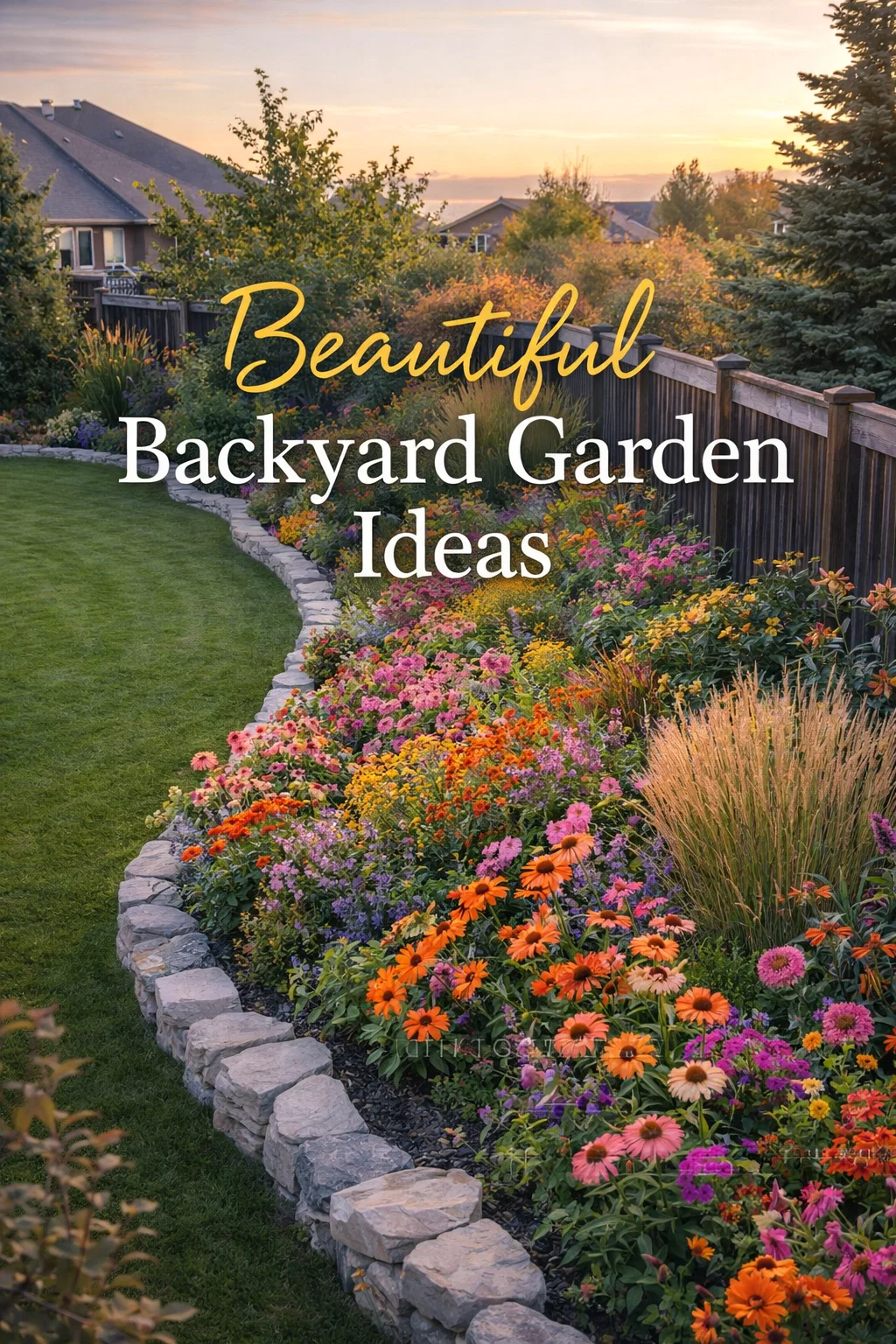
Transforming your backyard into a lush sanctuary doesn’t require a professional landscape architect or a massive budget. As you can see from the vibrant colors and structured layers in the inspiration image, a well-planned perennial border can completely redefine your outdoor living space. By focusing on a mix of textures, heights, and a cohesive color palette, you can create a garden that feels both wild and intentional. This guide will walk you through the essential steps to designing, planting, and maintaining a high impact flower bed that looks stunning from early spring through the first frost.
The Foundations of a Beautiful Perennial Border
The success of a garden bed like the one pictured begins with the layout. Notice how the border isn’t a rigid straight line. The gentle, undulating curve of the stone edging creates a sense of movement and makes the backyard feel larger than it actually is. When you are planning your own space, use a garden hose or a long rope to play with different shapes on your lawn before you ever pick up a shovel. This allows you to see how the bed will interact with existing structures like fences and patios.
Soil preparation is the most important part of the process that you cannot see. Most perennials thrive in well draining soil rich in organic matter. Before planting, it is wise to clear the area of all grass and weeds, then till in several inches of high quality compost or aged manure. This provides the nutrients your flowers need to establish deep root systems, which is the secret to those large, healthy blooms seen in the image.
Choosing the Right Hardscaping
The stone edging in the photo serves two purposes. First, it acts as a physical barrier that keeps your lawn grass from encroaching on your flower beds. Second, it provides a clean visual break that makes the colors of the plants pop. You can achieve this look using stacked natural fieldstone, concrete pavers, or even reclaimed bricks. The key is to ensure the stones are set firmly into the ground so they don’t shift during heavy rains or when you are mowing the lawn.
Mastering the Art of Layering and Depth
One of the reasons this specific garden bed is so eye catching is the use of vertical layering. This is often referred to as the staircase effect in landscaping. To replicate this, you want to follow a simple three tier rule:
- The Background: This is where you place your tallest plants. Think of ornamental grasses, tall sunflowers, or shrubs. These provide a green backdrop that makes the colors in front appear more vivid.
- The Midground: This is the heart of the garden. Here, you should plant medium height perennials like Echinacea, Rudbeckia, and Salvia. These plants usually have the most dramatic flowers and fill the bulk of the visual space.
- The Foreground: The very front of the bed should be reserved for low growing or “creeping” plants. In the image, you can see smaller clusters of purple and orange flowers that spill toward the stone edge. This softens the transition between the hard stone and the soft foliage.
Incorporating Texture with Ornamental Grasses
Many gardeners focus solely on flowers, but the inclusion of ornamental grasses is what gives a professional garden its sophisticated feel. Grasses like Feather Reed Grass or Maiden Grass add a fine texture that contrasts beautifully with the broad petals of daisies or lilies. They also provide movement, swaying in the wind and adding a golden hue to the garden as the season transitions into autumn.
Selecting a Color Palette That Glows
The image showcases a warm and inviting color scheme. By mixing bright oranges, deep pinks, and vibrant purples, the gardener has created a sunset effect that looks particularly magical during the golden hour. When choosing your plants, consider how the colors will work together. You can go for a monochromatic look using different shades of the same color, or a complementary look by using colors from opposite sides of the color wheel.
Warm Tones: Oranges, yellows, and reds create energy and draw the eye. They are perfect for large backyards where you want the garden to feel closer and more intimate.
Cool Tones: Purples, blues, and whites have a calming effect. They tend to recede visually, which can make a small backyard feel much more spacious and airy.
Seasonal Interest and Succession Planting
A common mistake is planting a garden that only looks good for two weeks in June. To get the look seen in the photo throughout the year, you need to practice succession planting. This means selecting a variety of plants that bloom at different times.
Spring Arrivals
Early in the season, you might see tulips, daffodils, and creeping phlox. These provide the first burst of color while your larger perennials are still waking up from their winter slumber.
Summer Peak
This is when the garden in the photo is at its best. Mid summer is the time for heat loving plants like Black-eyed Susans, Coneflowers, and Daylilies. These plants are the workhorses of the garden, often blooming for weeks on end regardless of the high temperatures.
Autumn Warmth
As the weather cools, late bloomers like Sedum, Asters, and Mums take center stage. The ornamental grasses will also start to produce seed heads, adding a architectural element to the garden that lasts well into the winter months.
Low Maintenance Tips for Busy Gardeners
While this garden looks lush and complex, it doesn’t have to be a full time job. Using perennials instead of annuals is the first step toward a low maintenance yard because these plants come back every year on their own. Here are a few more ways to keep your garden looking great with minimal effort:
Mulching: Apply a thick layer of dark wood mulch around your plants. This helps retain moisture in the soil, so you don’t have to water as often, and it drastically reduces the number of weeds that can sprout.
Drip Irrigation: If you live in a dry climate, installing a simple drip irrigation system can save you hours of work. These systems deliver water directly to the roots, which is more efficient and prevents diseases caused by wet foliage.
Deadheading: This is the process of removing spent flowers. By snipping off the dead blooms, you encourage the plant to put its energy into creating new flowers rather than producing seeds. This can extend the blooming period of many perennials by several weeks.
Enhancing Privacy and Curb Appeal
The garden in the image is cleverly positioned along a fence line. This is a brilliant strategy for several reasons. It softens the look of the wooden fence, making the boundary of the property feel more natural and less restrictive. It also provides an extra layer of privacy. As the plants grow taller, they create a living screen that shields your yard from neighbors and passersby.
If you are applying this look to the front of your house, it can significantly increase your property value. A well maintained flower bed suggests that the entire home is well cared for. It creates a welcoming atmosphere for guests and gives you a sense of pride every time you pull into your driveway.
Wildlife and the Eco-Friendly Garden
Beyond the visual beauty, a garden like this is a haven for local wildlife. By planting a variety of flowers, you are providing food and habitat for pollinators like bees, butterflies, and hummingbirds. Using native plants whenever possible is a great way to ensure your garden supports the local ecosystem. Native plants are also generally hardier and more resistant to local pests and diseases, which makes your job as a gardener much easier.
Conclusion: Start Your Garden Journey Today
Creating a breathtaking flower bed is a rewarding journey that allows you to express your creativity while connecting with nature. Whether you have a massive backyard or a small corner to work with, the principles of layering, color coordination, and proper edging will help you achieve professional results. Remember that a garden is a living thing that evolves over time. Don’t be afraid to move plants around if they aren’t thriving or to try new color combinations each year.
By taking inspiration from the lush, textured, and colorful landscape we analyzed today, you can build a space that provides beauty and tranquility for years to come. Grab your gloves, pick out your favorite perennials, and start digging. Your dream backyard is just a few planting seasons away. Happy gardening!