
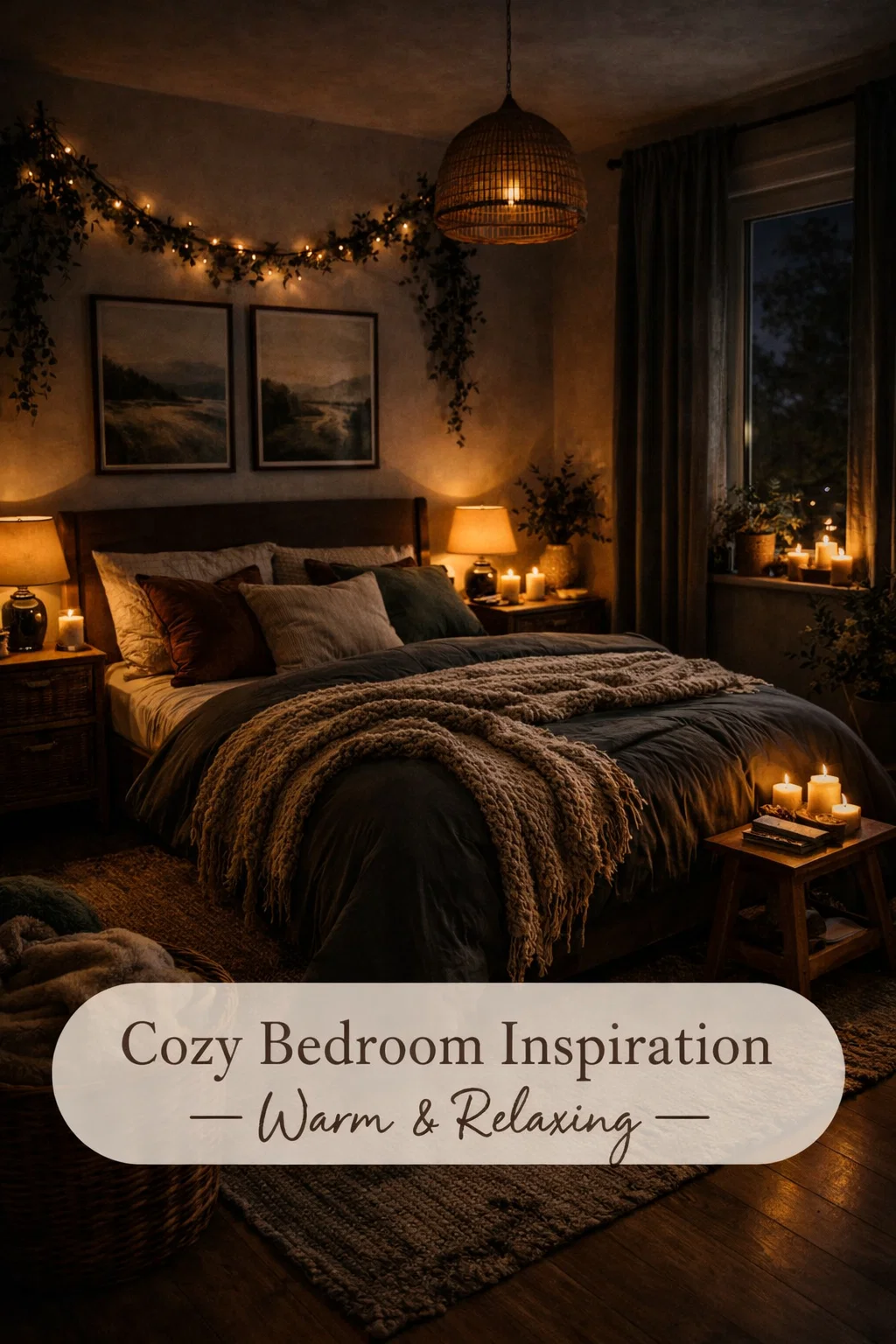
Stepping into a room that feels like a warm hug is a universal interior design goal, but there is something uniquely captivating about the dark bedroom aesthetic. While light and airy spaces have dominated trends for years, the shift toward moody, atmospheric sanctuaries is taking the world of home decor by storm. A dark bedroom is not just a place to sleep; it is a curated retreat that prioritizes comfort, intimacy, and a sense of mystery. By leaning into deeper palettes and rich textures, you can transform a standard sleeping area into a sophisticated cocoon that feels both high-end and incredibly lived-in.
The Power of a Dark Color Palette
The foundation of any moody bedroom is, of course, the color on the walls. Choosing a dark hue is a bold move that instantly changes the energy of a room. Instead of making a space feel smaller, as many fear, deep colors like charcoal gray, forest green, or midnight blue actually create an illusion of depth. They make the corners of the room recede, which can make a small bedroom feel like a vast, endless sanctuary. When you look at the interplay of shadows in a dimly lit room, you begin to appreciate how dark walls provide the perfect canvas for highlight pieces, such as framed art or glowing lamps.
Choosing the Right Shade for Your Space
Not all dark colors are created equal. If you want a space that feels earthy and grounded, consider a deep olive or a blackened forest green. These tones pair beautifully with natural wood elements and botanical accents. For those who prefer a more modern or industrial edge, a matte charcoal or a soft soot black offers a sleek, minimalist backdrop. If warmth is your primary goal, look for “near-blacks” that have chocolate or burgundy undertones. These shades respond beautifully to warm artificial lighting, turning a cold room into a glowing ember-like environment as soon as the sun goes down.
Mastering the Art of Layered Lighting
In a dark bedroom, lighting is your most important design tool. Without the right light, a dark room can feel flat or even gloomy. The secret is layering multiple light sources at different heights to create pockets of warmth and visual interest. In a moody space, you want to avoid harsh overhead fixtures that wash everything out. Instead, opt for a combination of task, ambient, and accent lighting to build a complex, inviting glow.
The Magic of Warm Light Sources
Start with a central statement piece, like a woven wicker pendant lamp. This adds a natural, organic texture to the ceiling and casts beautiful, filtered patterns across the walls. Next, introduce bedside lamps with fabric or tinted shades that diffuse light softly. To truly capture the cozy aesthetic, incorporate flickering candles of varying sizes. The movement of a real flame adds a dynamic element that static bulbs cannot replicate. Finally, string lights or fairy lights draped along a headboard or a picture rail add a whimsical, “starry night” effect that makes the room feel magical and private.
Texture: The Key to a Cozy Atmosphere
When you work with a dark color scheme, texture becomes the element that prevents the room from feeling one-dimensional. Because the colors are recessed, the physical feel of the fabrics and materials takes center stage. You want to mix and match different weights and finishes to create a tactile experience that invites you to crawl into bed and stay there.
Essential Fabrics for a Moody Retreat
Start with your bedding. A linen duvet cover in a dark slate or moss green provides a relaxed, breathable base. Over this, layer a chunky knit throw blanket. The oversized loops of the knit add a heavy, comforting weight and a lot of visual “crinkle” that looks great in photos and feels even better in person. Don’t forget the pillows; mix smooth cotton cases with velvet or wool accent cushions to create a luxurious, stacked look. On the floor, a textured jute or high-pile rug helps to ground the furniture and provides a soft landing for your feet in the morning.
Bringing the Outdoors In
Even in a dark and moody setting, nature plays a vital role in balancing the atmosphere. Greenery pops exceptionally well against dark backgrounds. The vibrant green of a Monstera leaf or the delicate trail of an Ivy plant creates a stunning contrast that breathes life into a somber room. If you are worried about keeping plants alive in a low-light environment, high-quality dried florals or preserved eucalyptus are fantastic alternatives that maintain that organic connection without the maintenance.
Using Art to Tell a Story
Wall decor in a dark bedroom should feel intentional. Large-scale landscapes featuring misty mountains, dark forests, or twilight scenes complement the moody theme perfectly. Matching frames in a medium wood tone can bridge the gap between the dark walls and the lighter elements in the room. Hanging art at eye level creates a focal point that draws the gaze inward, making the room feel more personal and less like a showroom.
Creating a Functional and Stylish Layout
While aesthetics are important, a bedroom must remain functional. In a dark-themed room, furniture choice is about balance. Dark wood nightstands or dressers blend into the walls for a seamless, “built-in” look, while lighter wood or metallic accents can provide a necessary break in the color. Keep your surfaces organized but not clinical; a stack of your favorite books, a small ceramic bowl for jewelry, and a glass of water on a wooden coaster add those human touches that make a house feel like a home.
Small Space Considerations
If you are working with a smaller room, don’t be afraid to go dark. Use mirrors strategically to bounce the light from your lamps around the room. A large mirror leaning against a dark wall can double the perceived space while reflecting the warm glow of your candles and fairy lights. Keep the floor as clear as possible by using floating shelves or tall, slender furniture legs to maintain a sense of flow.
The Psychological Benefits of Dark Bedrooms
Beyond the style, there is a scientific reason to love dark bedrooms. Our bodies are biologically programmed to wind down in dark environments. A moody room signals to the brain that it is time to produce melatonin, the sleep hormone. By surrounding yourself with deep colors and soft, low lighting in the evening, you are creating a transition zone that helps you disconnect from the blue light of screens and the stress of the day. A dark bedroom is effectively a sleep-hygiene powerhouse, promoting deeper rest and a more peaceful morning wake-up call.
Wrapping Up the Moody Transformation
Creating a dark, cozy bedroom is an exercise in restraint and atmosphere. It is about choosing quality over quantity and prioritizing how a space feels rather than just how it looks. By combining deep wall colors with layers of warm light, rich textures, and a touch of nature, you can create a sanctuary that stands the test of time. This design style ignores the fleeting nature of trends and focuses on the timeless human need for comfort and security. Whether you are fully committing to black walls or just testing the waters with moody accessories, the journey toward a darker, cozier home is one of the most rewarding interior design projects you can undertake. So, dim the lights, light a candle, and enjoy the beautiful peace of your new dark retreat.