
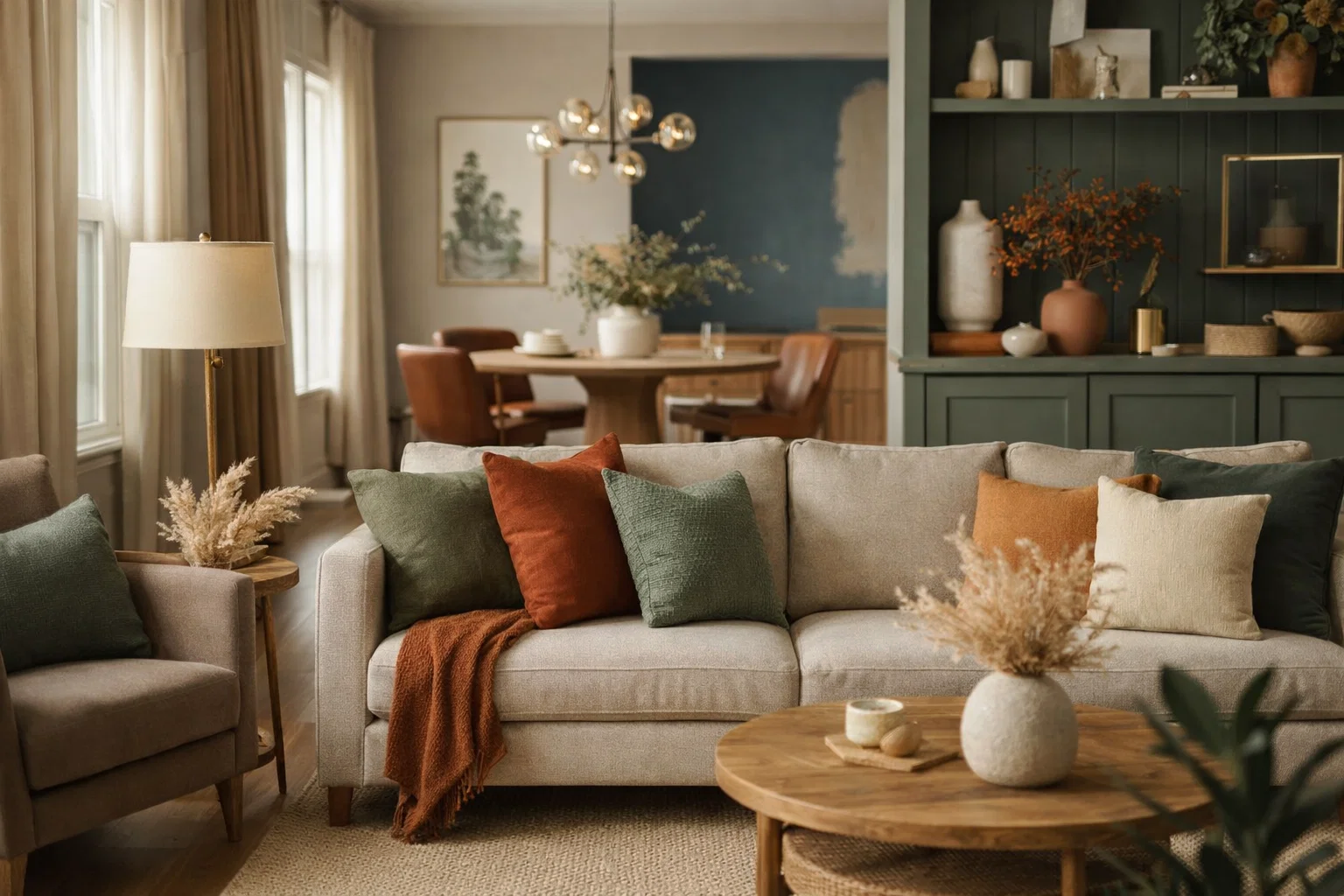
Create Your Dream Whole Home Color Palette: Tips and Ideas for Every Room
Introduction to Create Your Dream Whole Home Color Palette: Tips and Ideas for Every Room
Imagine walking through your home and feeling a profound sense of calm, cohesion, and connection from room to room. This seamless flow isn’t an accident; it’s the magic of a thoughtfully curated whole home color palette. More than just picking a few favorite shades, this approach is a strategic design philosophy that weaves a common thread of color throughout your living spaces, creating a unified and harmonious environment. Whether you’re a new homeowner, a renter looking to personalize your space, or a seasoned DIY enthusiast, mastering your home’s color scheme is one of the most powerful and transformative tools in interior design.
A cohesive color story does more than just look beautiful—it influences mood, defines function, and can even alter the perception of space. The right palette can make a small apartment feel expansive, a noisy family room feel serene, and a formal dining room feel warmly inviting. This guide is your comprehensive roadmap to moving beyond single-room decisions and embracing the big picture. We’ll explore how to select a foundational scheme, adapt it for different rooms, and implement it with confidence. Ultimately, crafting your dream whole home color palette is about creating a backdrop that perfectly supports your life, telling your unique story through a language of color that flows effortlessly from your entryway to your bedroom.
Why Choose a Cohesive Whole Home Color Palette for Your Space
Opting for a unified color scheme across your home is a decision that pays dividends in aesthetics, emotion, and practicality. Firstly, it creates an undeniable sense of visual harmony. As you move from the living room to the hallway to the kitchen, the transition feels intentional and smooth, rather than jarring or disjointed. This continuity is especially valuable in open-concept layouts, where a cohesive palette helps define different zones without visual chaos. The result is a home that feels curated, calm, and professionally designed.
Beyond aesthetics, a whole-home color strategy has a significant emotional impact. Color psychology tells us that hues directly affect our feelings and behaviors. A consistent palette allows you to craft a specific atmosphere throughout your home—be it a tranquil, spa-like retreat or an energetic, creative hub. Furthermore, this approach simplifies the decorating process immensely. Once your core palette is established, making decisions about furniture, art, and accessories becomes much easier, as you have a clear filter through which to evaluate every choice. It saves time, reduces decision fatigue, and prevents costly mistakes. For renters or those on a budget, a cohesive color scheme is a secret weapon; even with eclectic or second-hand furniture, a unifying color thread can make everything look intentionally collected and stylish.
Key Elements & Design Components
Essential Decor Items for a Unified Color Scheme
Building your whole home color palette starts with understanding its core components. These are the elements that will carry your chosen hues from room to room.
- The Foundational Paint Colors: This is your palette’s backbone. Typically, you’ll choose a primary neutral (like a warm white, soft gray, or creamy beige) for most walls to create a light, unified canvas. One or two secondary colors (a muted green, a dusty blue, a gentle terracotta) act as accents in specific rooms or on feature walls. Finally, a darker, richer shade (like charcoal, navy, or forest green) can be used sparingly for depth and drama, perhaps on trim, cabinetry, or in a powder room.
- Textiles and Soft Furnishings: This is where your palette comes to life and adds texture. Consistent use of color in curtains, area rugs, throw pillows, and blankets reinforces your scheme. For example, if “sage green” is an accent color, it might appear in the living room pillows, the bedroom duvet cover, and the dining chair cushions.
- Key Furniture Pieces: While not every piece needs to match, having one or two furniture items in a core palette color creates strong anchors. A slate blue sofa, a walnut-stained oak dining table, or black metal lighting fixtures can serve as these tonal anchors that repeat throughout the home.
- Artwork and Decorative Accessories: Art, vases, books, and decorative objects are the perfect tools to sprinkle your accent colors around. They offer flexibility, allowing you to introduce and rotate colors without a major commitment.
Style Variations & Budget-Friendly Alternatives
Your home’s color narrative can adapt to any style or budget. For a modern minimalist look, stick to a monochromatic scheme with varying textures. A coastal theme might flow with a palette of sand, sea glass blue, and white. A maximalist, eclectic home can still feel cohesive by repeating two or three bold colors in different patterns and saturations.
For budget-conscious decorators and renters, paint is your most powerful and affordable tool. Focus on painting walls in your core neutral. Use removable wallpaper in an accent color for a feature wall. Instead of buying new furniture, reupholster chair seats or use slipcovers. Inexpensive accessories like throw pillows, lamp bases, and framed art are perfect for injecting your accent colors without permanence. Remember, a cohesive look is about repetition, not expense.
How to Achieve the Look: Step-by-Step Styling Guide
Crafting your whole house color flow is a manageable process when broken down into actionable steps.
Step 1: Find Your Inspiration and Define Your Core Palette
Begin by gathering inspiration from magazines, Pinterest, or nature. Look for recurring colors you’re drawn to. Next, identify 3-5 colors that will form your core palette: a dominant neutral (60% of your home), a secondary color (30%), and 1-3 accent colors (10%). For example: Creamy White (dominant), Warm Taupe (secondary), Terracotta and Sage Green (accents). Collect physical paint swatches and fabric samples to see how they interact in your home’s light.
Step 2: Map the Color Flow Room-by-Room
Sketch a simple floor plan. Decide where your boldest uses of color will feel right. Often, deeper or more saturated tones work well in cozy spaces like studies, dining rooms, or powder rooms. Lighter, airier versions of your palette are ideal for living rooms and bedrooms. The goal is balance—ensure each color appears in at least two or three spaces to create rhythm.
Step 3: Start with the Largest Surfaces: Walls and Floors
Paint your main connecting spaces (hallways, open-plan areas) in your dominant neutral. Then, paint individual rooms using your plan. For flooring, consistent hardwoods or a neutral carpet throughout creates the best flow. If you have different flooring, use area rugs in colors from your palette to create visual links.
Step 4: Layer in Furniture and Large Textiles
Introduce your key furniture pieces. Your largest item in a room (like a sofa or bed) is a great place to use your secondary color. Then, use your accent colors in smaller upholstered pieces, like armchairs or ottomans. Choose curtains and a large area rug that either blend with your wall color (to expand space) or introduce a secondary/accent hue.
Step 5: Add Repetition with Decor and Accessories
This is the fun part that ties everything together. Use throw pillows, blankets, and table lamps to repeat your accent colors in different rooms. Style bookshelves with books and objects in your palette. Choose artwork that incorporates your scheme, even if loosely. This repetition is what truly establishes the cohesive, designed feel of a unified home color palette.
Step 6: Don’t Forget the Trim, Ceilings, and Doors
For maximum cohesion, paint all trim, doors, and ceilings the same color throughout—usually a crisp white or your dominant neutral. This creates a clean, framing effect that makes your wall colors pop and further unifies the entire home.
Elevating the Look: Advanced Styling Tips
Once your foundational whole home color palette is in place, these advanced tips will add polish and personality.
- Play with Saturation and Tone: Use different saturations of the same color family. A pale lavender in a bedroom can be echoed by a deep aubergine in a velvet pillow in the living room. This creates depth and sophistication.
- Consider the Sightlines: Stand in key doorways and look into adjacent rooms. What do you see? Ensure the colors visible from that vantage point work harmoniously together. This is crucial for open-plan spaces.
- Use Metallics as Neutrals: Metals like brushed brass, matte black, or polished nickel can complement any palette. Choose one or two metallic finishes to use consistently in hardware, lighting, and decor for a layered, refined look.
- Incorporate a “Wildcard” Pattern: Introduce one multi-colored pattern (in a rug, wallpaper, or upholstery) that contains all the colors in your palette. This pattern becomes a unifying masterpiece, explicitly tying every hue together.
- Lighting is Everything: The same paint color can look different under warm vs. cool light. Use consistent, warm-white (2700K-3000K) LED bulbs throughout your home to ensure your carefully chosen palette looks its best day and night.
Maintenance & Care: Keeping Your Space Fresh
A well-planned home color scheme is designed to last, but it also needs care to stay fresh. Firstly, keep touch-up paint for all your colors for quick fixes to scuffs and marks. For textiles, follow care labels; regularly rotating and fluffing pillows and shaking out rugs prevents uneven wear and sun fading.
To keep the decor feeling current without repainting, use the “accessory refresh” method. Every season or so, swap out a few key accessories—change throw pillow covers, switch the artwork on a gallery wall, or add a new vase in a different (but still palette-appropriate) accent color. This way, your cohesive foundation remains, but you can play with trends and seasonal moods effortlessly. A consistent whole home color palette gives you the freedom to evolve your style without starting from scratch.
FAQs: Frequently Asked Questions About Whole Home Color Palettes
Q: I love color! Won’t a whole-home palette be boring?
A: Absolutely not! Cohesion doesn’t mean monotony. A unified color scheme can be incredibly vibrant. The key is to use a range of saturations and to let different rooms have different “moments.” Your energetic living room might feature a bold accent wall, while your bedroom uses a softer version of the same hue for calm. The palette provides harmony, not limitation.
Q: How do I connect rooms that are already different colors?
A: Start by identifying a color that exists in both rooms, even if it’s just a small accessory. Then, intentionally add more of that shared color to each space through new pillows, art, or a rug. Over time, this will build a bridge. Painting all trim and doors the same color is also a quick, powerful unifier.
Q: Can I have a cohesive palette in a small apartment or rental?
A: Yes, this is one of the best strategies for small spaces! A light, consistent neutral on all walls makes the entire space feel larger and brighter. Then, use your furniture, textiles, and removable decor (like peel-and-stick wallpaper accents) to introduce your secondary and accent colors. The flow will make your compact home feel thoughtfully designed.
Q: What’s the biggest mistake people make when choosing a whole-home palette?
A: The most common mistake is not testing colors in the actual space. Paint looks dramatically different in your north-facing bedroom versus the south-facing kitchen. Always get sample pots and paint large swatches on multiple walls. Observe them at different times of day before committing. This ensures your dream color palette works perfectly in your unique home.