
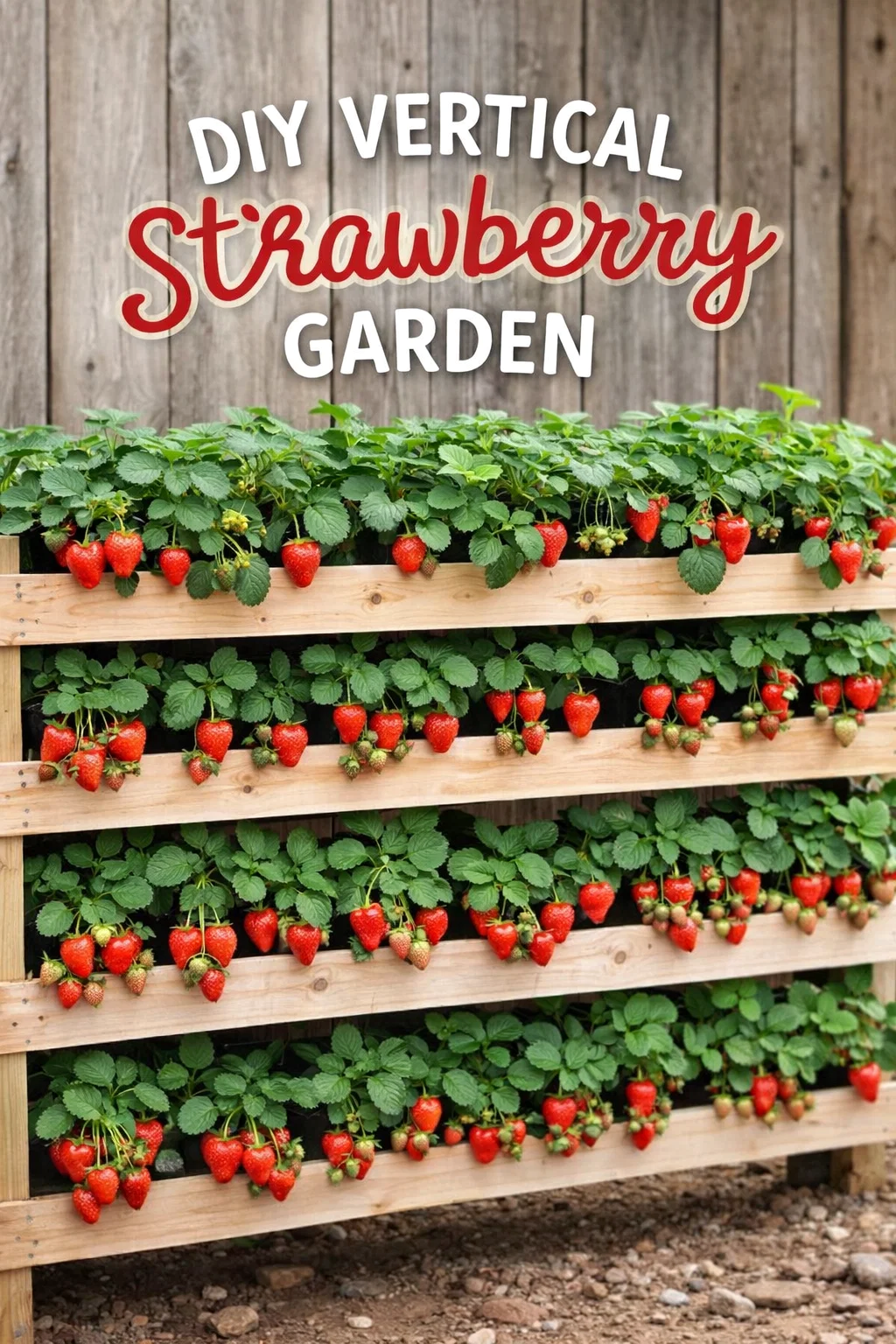
There is something inherently satisfying about the marriage of raw timber and vibrant greenery. For anyone who has ever dreamt of harvesting sun-ripened strawberries right from their back porch, the image of a vertical pallet planter represents the ultimate intersection of sustainability, craft, and utility. Vertical gardening has moved beyond a mere trend and become a fundamental solution for modern living, allowing even those with the smallest footprints to cultivate a flourishing edible landscape. This approach to gardening is not just about saving space; it is about reimagining how we interact with our environment and the materials we often discard.
The Beauty of Vertical Woodworking Projects
When you look at a vertical strawberry planter crafted from wooden slats, you see more than just a garden bed. You see the potential of reclaimed materials. Wood is a versatile medium that ages beautifully, developing a silvered patina over time that complements the deep greens and bright reds of a strawberry patch. Unlike plastic pots or metal containers, wood provides a natural insulation for the soil, helping to regulate temperature and moisture levels for delicate root systems. It feels grounded and intentional, turning a functional garden tool into a piece of living outdoor art.
Utilizing wood for vertical structures also allows for incredible customization. You can sand the edges for a refined look or leave the rough-hewn texture for a more rustic, farmhouse aesthetic. The modular nature of wooden boards means you can scale your project up or down depending on the available wall space. Whether you are leaning a single pallet against a fence or building a multi-tiered freestanding unit, the warmth of the wood creates a welcoming atmosphere that invites you to spend more time outdoors tending to your crop.
Why Strawberries Are the Perfect Vertical Crop
Strawberries are practically designed by nature to grow in elevated environments. In a traditional garden bed, strawberries often struggle with ground-level pests, slugs, and soil-borne diseases. When the heavy berries sit on damp earth, they are prone to rotting before they can even reach peak ripeness. Elevating them into a vertical wooden planter solves these issues instantly. The berries hang freely over the wooden edges, staying clean, dry, and away from the reach of hungry crawlers.
Improving Air Circulation and Sunlight Exposure
One of the primary reasons plants thrive in vertical wooden projects is the improved airflow. In a dense ground-level patch, moisture can get trapped between leaves, leading to powdery mildew. A tiered wooden structure ensures that every leaf and fruit has access to circulating air. Furthermore, you can position your vertical garden to catch the maximum amount of sunlight throughout the day. Since strawberries require at least six to eight hours of full sun to produce sweet fruit, being able to angle your planter toward the south or west can significantly increase your harvest yield.
Ease of Maintenance and Harvesting
Ask any seasoned gardener about the biggest drawback of growing berries, and they will likely mention the strain on their back and knees. Constant bending and kneeling to weed or pick fruit can turn a hobby into a chore. Vertical wooden planters bring the garden to you. By stacking the planting rows, you can perform all your gardening tasks at waist or chest height. This accessibility makes gardening more inclusive for people of all ages and physical abilities, ensuring that the joy of growing food is never overshadowed by physical discomfort.
Designing Your Vertical Wooden Planter
If you are inspired by the visual of a lush, berry-filled wooden wall, the design process is the first step toward making it a reality. Most DIY enthusiasts start with a standard shipping pallet, but you can also build a custom frame using cedar or redwood, which are naturally resistant to rot and insects. The key is to create deep enough pockets for the root systems to expand while ensuring there is adequate drainage at each level.
Selecting the Right Type of Wood
When building an edible garden, the type of wood you choose matters. Pressure-treated wood from decades ago often contained chemicals that were not food-safe, though modern treatments are much safer. However, many gardeners prefer to stick with natural, untreated woods. Cedar is the gold standard for outdoor projects because its natural oils prevent decay. If you are using reclaimed pallets, look for the HT stamp, which stands for Heat Treated. This indicates the wood was treated with heat rather than chemicals to kill pests, making it a safe choice for your strawberry project.
Soil Management in Vertical Tiers
Soil in vertical planters behaves differently than soil in the ground. Because the volume is smaller, it can dry out faster. To combat this, use a high-quality potting mix enriched with organic compost and moisture-retaining elements like coco coir or peat moss. Adding a drip irrigation system or a simple perforated PVC pipe down the center of your wooden tower can ensure that water reaches the bottom tiers as effectively as the top ones. This prevents the common problem of the top plants being overwatered while the bottom plants go thirsty.
Maximizing Small Spaces with Wooden Structures
The magic of vertical wooden projects lies in their ability to turn “dead” space into productive space. A blank apartment balcony wall, a narrow side yard, or a sunny spot next to the kitchen door can all be transformed. By thinking vertically, you are essentially multiplying your square footage. A single four-foot-wide pallet can house dozens of strawberry plants, producing several pounds of fruit in a space that would otherwise hold nothing more than a single potted plant.
This efficiency is a game-changer for urban homesteaders. It allows for a level of self-sufficiency that was previously reserved for those with large rural plots. Beyond strawberries, these wooden structures can be adapted for herbs, salad greens, and even small trailing flowers. The result is a lush, green tapestry that provides privacy, dampens street noise, and offers a cooling effect during hot summer months.
Creating a Focal Point in Your Landscape
A well-maintained vertical garden is a conversation starter. There is a sculptural quality to a wooden frame overflowing with runners and blossoms. You can enhance the visual appeal by painting the wood to match your home’s trim or staining it a deep walnut to make the green foliage pop. Integrating lighting, such as solar-powered LEDs along the top rail, can turn your garden into a beautiful evening feature. It is a project that rewards your effort twice: once through the delicious taste of home-grown fruit and again through the aesthetic value it adds to your home.
Essential Tips for Success with Vertical Wood Planters
While vertical gardening is relatively straightforward, a few professional tips can help ensure your wooden project remains healthy and productive for years to come. First, consider the weight. A large wooden planter filled with wet soil is heavy. If you are mounting it to a wall or fence, ensure you are using heavy-duty brackets and securing them into studs or solid posts. If the unit is freestanding, give it a wide base or anchor it to prevent it from tipping over in high winds.
Seasonal Care and Wintering
Strawberries are perennials, meaning they can come back year after year. However, plants in raised wooden containers are more exposed to the cold than those in the ground. In colder climates, you may need to move your wooden planter into a garage during the peak of winter or wrap the entire structure in burlap and straw to insulate the roots. Because wood is a natural material, it will expand and contract with the seasons. Checking the screws or nails once a year and applying a fresh coat of food-safe sealer every couple of seasons will keep the structure sturdy and looking its best.
Planting for Continuous Harvest
To get the most out of your vertical wooden garden, choose a variety of strawberry types. June-bearing varieties will give you one massive harvest in early summer, which is great for jam-making. Ever-bearing or day-neutral varieties will produce smaller amounts of fruit consistently from spring through the first frost. Mixing these within your wooden tiers ensures that you always have a fresh snack available whenever you step outside. Don’t forget to trim the runners occasionally; in a vertical setup, too many runners can clutter the design and take energy away from fruit production.
Conclusion: Crafting Your Own Edible Oasis
Building a vertical wooden strawberry planter is a project that bridges the gap between DIY construction and mindful gardening. It encourages us to look at a simple stack of boards and see a fountain of life. In a world that often feels fast-paced and digital, the act of measuring wood, driving screws, and tucking tiny plants into soil is a grounding experience. It reminds us that we have the power to create beauty and sustenance right where we are, regardless of how much land we own.
Whether you are a master woodworker or a first-time gardener, the vertical approach offers a path to success that is as rewarding as it is delicious. The sight of red berries dangling against the warm tones of natural wood is a testament to what can be achieved with a little creativity and a few basic materials. So, gather your tools, find a sunny wall, and start building your own vertical escape. The first bite of a homegrown strawberry, still warm from the sun, will be all the proof you need that this is a project worth every bit of effort.