
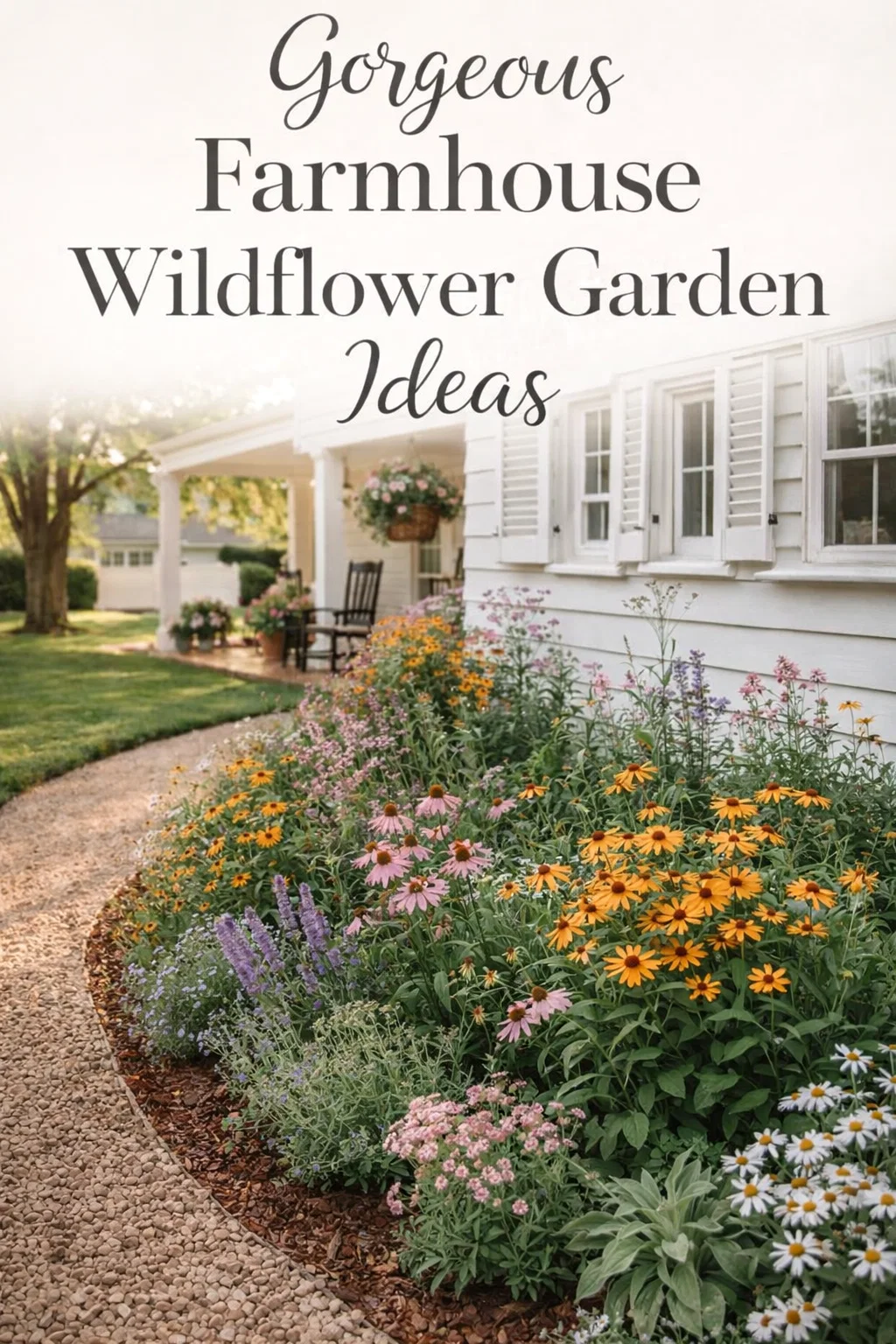
Transforming your front yard into a welcoming sanctuary does not require a professional landscaping crew or a massive budget. As seen in the charming scene of a white farmhouse flanked by a riot of colorful blooms, the secret lies in the art of the wildflower bed. This approach to gardening celebrates the beauty of nature in its most organic form, trading rigid rows and manicured hedges for the soft textures and vibrant diversity of native plants and hardy perennials. It is a style that feels both timeless and effortless, making it the perfect choice for homeowners who want maximum curb appeal with manageable maintenance.
The Aesthetic of the Modern Farmhouse Wildflower Bed
The image showcases a perfect example of how specific textures and colors work together to create a cohesive look. By layering tall, upright plants like Black-eyed Susans and purple Coneflowers against the crisp white siding of a home, you create a visual depth that draws the eye. The use of a natural wood mulch border and a simple gravel path provides a clean edge that prevents the garden from looking overgrown. This balance between the structure of the house and the wildness of the flowers is what defines the modern farmhouse aesthetic.
Choosing the Right Color Palette
When planning your flower beds, color theory plays a vital role in how the space feels. The combination of warm yellows, soft pinks, and cool purples creates a cheerful and balanced environment. Yellow flowers act as bright focal points that catch the sunlight, while pink and purple tones provide a soothing contrast. To replicate this look, consider mixing warm tones with silvery foliage or white daisies to break up the intensity and add a touch of airy elegance to the arrangement.
Essential Plants for a Front Yard Wildflower Haven
To achieve a look that lasts from late spring through early autumn, you need a mix of plants that offer staggered bloom times and varied heights. Here are some of the star players often found in successful farmhouse wildflower designs:
- Rudbeckia (Black-eyed Susans): These are the workhorses of the summer garden. Their bright yellow petals and dark centers provide a classic cottage feel and are incredibly resilient in the heat.
- Echinacea (Coneflowers): Known for their drooping petals and prominent cones, these perennials come in shades of purple, pink, and white. They are sturdy plants that stand tall even in windy conditions.
- Lavender or Salvia: These spikes of purple add a vertical element and a wonderful fragrance to your walkway. They also provide a beautiful contrast to the rounded shapes of other daisies.
- Shasta Daisies: With their clean white petals and yellow centers, they provide a sense of simplicity and freshness that brightens any corner of the yard.
- Low-Growing Groundcovers: Plants like Silver Mound Artemisia or creeping thyme fill in the gaps at the front of the bed, suppressing weeds and softening the transition to the path.
Planning Your Layout for Maximum Impact
A common mistake in front yard gardening is planting everything at the same height. To create a professional look, follow the rule of thirds. Place your tallest plants at the back, closest to the house or fence. Mid-sized perennials should occupy the center, and the shortest, mounded plants should line the very front. This ensures that every flower is visible and creates a lush, tiered effect that makes the garden feel fuller than it actually is.
The Importance of Soil Preparation and Drainage
Before you put a single seed or seedling into the ground, your soil needs attention. Wildflowers generally prefer well-drained soil. If your ground is heavy clay, mixing in some organic compost or aged manure will improve the structure. Good drainage is essential because it prevents root rot during rainy seasons and ensures your perennials return year after year. A healthy foundation of soil is the best investment you can make for a thriving garden.
Maintaining the Wildflower Look with Minimal Effort
One of the biggest draws of a wildflower-style bed is that it does not need to be perfect. In fact, a bit of imperfection adds to the charm. However, a few small tasks will keep it looking intentional rather than neglected.
Mulching for Beauty and Function
Notice the rich brown mulch in the image. Mulching serves three major purposes: it retains moisture in the soil, it regulates temperature, and it stops weed seeds from germinating. For a farmhouse look, shredded hardwood mulch or pine bark nuggets work beautifully. Avoid dyed mulches in bright reds or blacks, as they can look artificial and distract from the natural beauty of the blooms.
Deadheading and Pruning
To keep your plants blooming for as long as possible, practice deadheading. This simply means snipping off the spent flowers before they turn to seed. This signals the plant to produce more buds. In the late autumn, you can choose to leave some of the dried seed heads standing to provide food for birds and visual interest during the winter months, or you can cut them back to the ground to prepare for spring growth.
Creating a Welcoming Path
A garden is meant to be experienced, not just viewed from a distance. Integrating a path made of pea gravel, crushed stone, or stepping stones allows you to walk through your blooms and enjoy their fragrance. In the featured image, the gravel path creates a distinct boundary that guides the visitor toward the home. This functional element adds a layer of hardscaping that makes the soft garden beds pop.
Enhancing the Space with Garden Accents
While the flowers are the main event, small details can elevate the entire design. Consider adding a vintage wooden bench, a simple birdbath, or a set of functional shutters on the house to complete the farmhouse vibe. These elements ground the garden and make it feel like a lived-in, loved part of the property.
Environmental Benefits of Wildflower Gardening
Beyond the obvious aesthetic appeal, choosing a wildflower-heavy landscape is a win for the local ecosystem. Native wildflowers provide essential nectar for honeybees, bumblebees, and butterflies. By planting a variety of species, you are creating a corridor for wildlife. Furthermore, because these plants are often more adapted to the local climate, they typically require less supplemental watering and fewer chemical fertilizers than a traditional grass lawn.
Common Challenges and How to Overcome Them
Even the easiest gardens face hurdles. Pests like aphids or slugs might occasionally visit, but in a diverse wildflower bed, natural predators like ladybugs often keep these populations in check. If you find your plants are leaning too far forward toward the light, you can use discreet garden stakes or rings to give them extra support. The goal is to work with nature rather than trying to control every aspect of it.
Managing Overcrowding
Perennials are famous for their ability to spread. Every three to four years, you may find that your coneflowers or daisies have become too large for their space. This is actually a great problem to have. You can dig up the clumps, divide them into smaller sections, and replant them in other areas of your yard or give them away to neighbors. This keeps the parent plants healthy and gives you free plants to expand your garden.
Bringing the Farmhouse Charm to Your Home
Whether you live on a sprawling rural lot or in a compact suburban neighborhood, the principles of the easy farmhouse wildflower bed remain the same. It is about embracing color, prioritizing hardy species, and creating a space that feels relaxed and welcoming. By following the visual inspiration of a bloom-filled front yard, you can turn a plain patch of grass into a stunning floral display that brings joy to you and everyone who passes by.
Start small if you need to, perhaps with just one corner of your yard, and watch how the addition of just a few native plants can change the entire personality of your home exterior. Gardening is a journey of discovery, and there is no better place to start than right outside your front door.
Conclusion
Building a wildflower garden is one of the most rewarding home improvement projects you can undertake. It offers a unique combination of visual beauty, environmental stewardship, and therapeutic activity. By selecting the right mix of perennials, focusing on soil health, and adding simple structural elements like mulch and paths, you can achieve the stunning farmhouse look seen in our inspiration. Your front yard is the first thing people see when they visit, so why not make it a vibrant, living masterpiece that reflects the beauty of the natural world? Grab your shovel, pick out your favorite seeds, and start growing your own wildflower sanctuary today.