
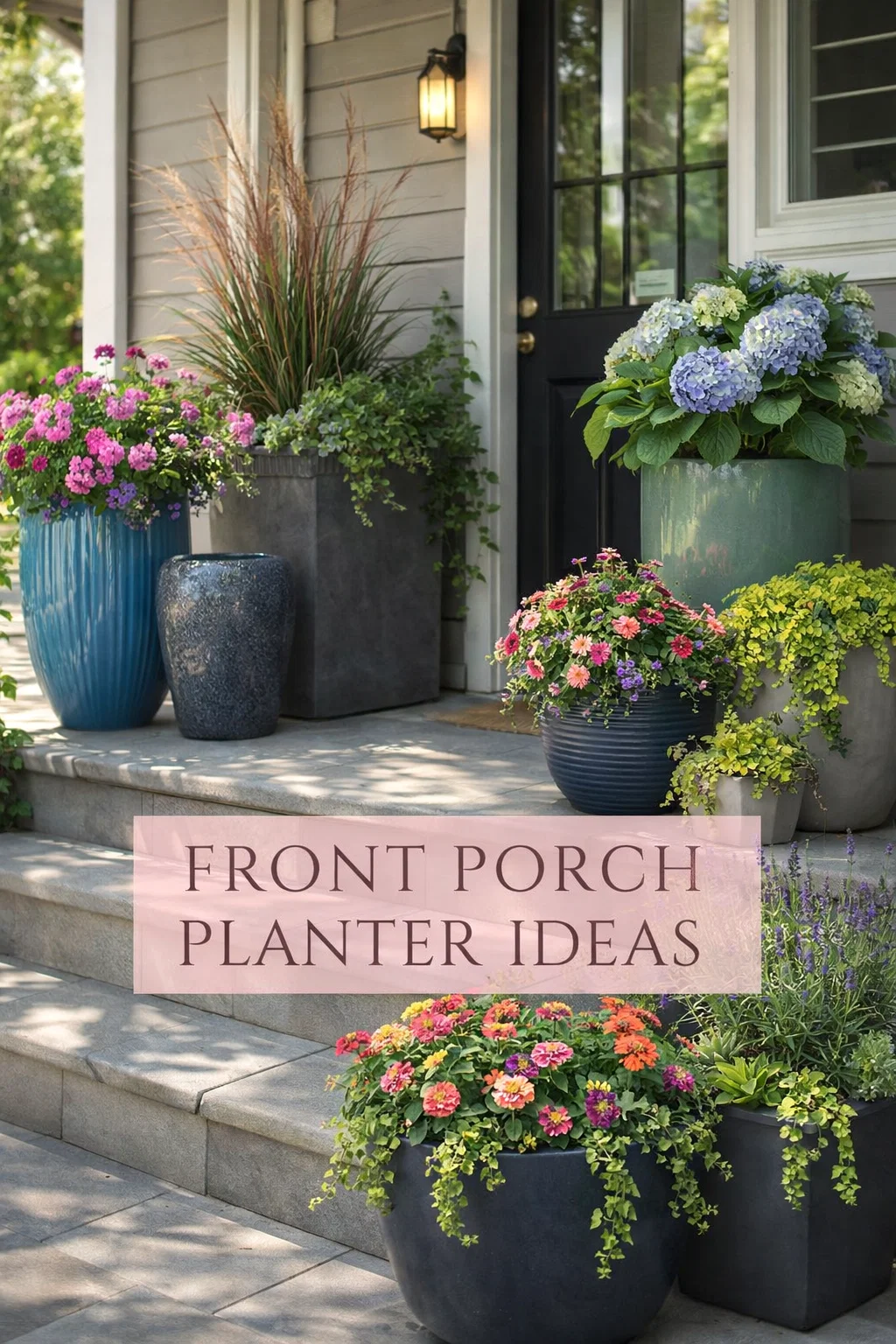
Creating a welcoming entrance is about more than just a clean doormat or a fresh coat of paint on the front door. It is about setting a mood and telling a story before a guest even steps inside. The use of front porch planters is one of the most effective ways to transform a transition space into a living gallery of color and texture. When we look at the art of container gardening for entryways, we see a blend of architectural structure and soft, organic beauty. From the vibrant blue glazes of ceramic pots to the earthy warmth of terracotta, the choices you make in your greenery and vessels define the character of your home.
The Power of First Impressions Through Container Gardening
Psychologically, the entrance of a home serves as a bridge between the public world and your private sanctuary. By placing thoughtfully curated planters on your steps or porch, you are signaling that the space within is cared for and vibrant. Container gardening allows for a level of flexibility that traditional in ground planting simply cannot match. You can swap out seasonal flowers, move pots to chase the sunlight, or completely redesign your look in a single afternoon. This versatility makes it an ideal project for both seasoned gardeners and those who are just beginning to explore their green thumbs.
The visual impact of a well placed planter can actually increase the perceived value of your property. Curb appeal is heavily rooted in symmetry and life. A pair of matching planters flanking a doorway creates a sense of balance and grandeur, while a staggered collection of pots in various heights adds a whimsical, cottage like charm. The goal is to create a focal point that guides the eye toward the entrance, making the journey to your front door an experience rather than just a walk.
Choosing the Right Planter Styles for Your Architecture
Before you even touch a bag of potting soil, you must consider the vessel. The planter itself is a piece of furniture for your outdoor space. In modern homes, sleek, dark containers with sharp lines and matte finishes provide a sophisticated backdrop for structural plants like lavender or ornamental grasses. For more traditional or rustic homes, terracotta remains a timeless choice. Its porous nature is not only beautiful as it develops a natural patina over time but also beneficial for the root systems of many plants.
Color choice in pottery is equally vital. Bright, glazed ceramics in shades of turquoise or cobalt blue can act as a pop of color against a neutral siding. If your house has a busy brick pattern, opting for solid, dark grey or black planters can provide a necessary visual anchor. The material also dictates the weight and durability. While stone and ceramic are sturdy and wind resistant, lightweight resin or fiberglass options are better if you plan on moving your displays frequently to follow the seasons.
Top Plant Selections for Maximum Porch Impact
Selecting the right plants involves understanding the specific microclimate of your porch. Is it a sun drenched south facing space, or is it a cool, shaded alcove? Your plant choices should reflect these conditions to ensure they thrive rather than just survive. A successful container usually follows the classic design rule of a thriller, a filler, and a spiller.
- The Thriller: This is your focal point. Think tall, structural plants like spikes, upright grasses, or even a small ornamental tree like a Japanese Maple or a Topiary Boxwood.
- The Filler: These are the mounding plants that add volume. Hostas are incredible for shaded porches, offering lush green leaves, while Petunias or Geraniums provide a dense carpet of color for sunnier spots.
- The Spiller: These are the trailing plants that soften the edges of the pot. Creeping Jenny, English Ivy, or Sweet Potato Vine create a beautiful cascading effect that makes the arrangement feel established and abundant.
Designing with Shade Loving Hostas and Impatiens
Many front porches are covered, leading to lower light levels. This is where foliage plants truly shine. Hostas are the kings of the shade. Their broad, variegated leaves come in shades of chartreuse, blue green, and cream, providing a lushness that flowers alone often cannot achieve. When paired with bright Impatiens, which offer a constant bloom in deep pinks and purples, a shaded corner can look just as vibrant as a sunny meadow.
One of the benefits of using foliage heavy plants in containers is that they are often lower maintenance. Hostas are resilient and can handle a missed watering better than many delicate annuals. They also provide a sense of coolness during the hot summer months, making your porch feel like a refreshing retreat from the sun.
Succulents and Lavender for a Modern Aesthetic
If you prefer a contemporary look, the combination of succulents and lavender is hard to beat. Succulents offer incredible geometric shapes and require very little water, making them perfect for busy homeowners. Varieties like Echeveria or Sedum can be tucked around the base of taller plants to create a living mulch that looks like a piece of living jewelry.
Lavender adds more than just visual beauty. Its silver green foliage and purple spikes bring a delicate fragrance that wafts through the air every time you open your door. It is also a magnet for pollinators, bringing butterflies and bees to your doorstep. Lavender thrives in well draining soil and plenty of sunlight, so it is a great choice for steps that are exposed to the afternoon sun. Pairing these with dark, minimalist pots creates a striking contrast that feels very high end.
Seasonal Transitions and Year Round Interest
The true magic of porch planters is their ability to change with the calendar. As summer fades into autumn, you can replace spent annuals with ornamental kale, mums, and decorative gourds. In the winter, the same pots can be filled with evergreen boughs, red dogwood branches, and pinecones for a festive, hardy display that withstands the frost.
By keeping the core structural plants like small shrubs or evergreens in your large pots, you only need to change the filler and spiller plants to give your entrance a completely new look. This approach is cost effective and ensures that your porch never looks barren or neglected, even in the middle of January.
Maintenance Tips for Healthy Container Gardens
Because plants in containers have a limited amount of soil, they rely entirely on you for their nutrients and hydration. Maintenance is the secret ingredient to keeping those Pinterest worthy displays looking fresh all season long. Watering is the most frequent task. On hot days, a container can dry out completely within a few hours. It is best to water early in the morning so the plants are hydrated before the heat of the day hits.
Fertilization is non negotiable. Every time you water, nutrients are leached out of the soil. Using a water soluble fertilizer every two weeks will keep your flowers blooming and your leaves green. Additionally, deadheading or removing spent flowers encourages the plant to produce more blooms rather than putting energy into seed production. It only takes a few minutes every few days, but the results are dramatic.
Soil Quality and Drainage Matters
Never use garden soil in your pots. It is too heavy and can harbor pests or diseases. Instead, use a high quality potting mix specifically designed for containers. These mixes are lightweight and contain peat moss or coconut coir to retain moisture, along with perlite to ensure the roots can breathe.
Drainage is the other critical factor. Without a hole in the bottom of your pot, water will sit at the bottom and rot the roots. If you have a beautiful decorative pot without a hole, use it as a cachepot. This means you keep the plant in a plain plastic nursery pot with drainage and simply set it inside the prettier vessel. This allows you to remove the plant to water it and ensures the roots stay healthy.
Creating Vertical Interest with Multi Level Displays
To really make an impact, don’t just place a single pot on the ground. Think about levels. Using plant stands, or even the steps of your porch, allows you to create a wall of greenery. Large, heavy pots should stay on the ground to provide a solid base, while smaller, more delicate arrangements can be elevated on tables or stands.
This vertical approach mimics how plants grow in nature and makes the space feel more immersive. It also helps with air circulation around the plants, which can prevent fungal issues. When you look at a porch with varying heights of greenery, it feels like a curated garden rather than just a collection of items. It draws the eye upward, highlighting the architectural details of your home and making the entrance feel larger and more grand.
Summary of Benefits for Front Porch Planters
- Immediate Curb Appeal: Instantly brightens the exterior of any home.
- Flexibility: Easily change your decor for holidays or seasons.
- Space Saving: Perfect for homes with small yards or no garden space at all.
- Customization: Reflects your personal style through choice of color and texture.
Conclusion
The journey of a thousand miles begins with a single step, and often, that step is onto a beautiful front porch. By investing time and creativity into your entrance planters, you are doing more than just gardening. You are crafting an invitation. You are telling your neighbors, your guests, and yourself that this is a place of life, beauty, and care. Whether you choose the bold splash of blue pots, the classic feel of terracotta, or the modern edge of succulent displays, your porch will become a testament to your personal style. So, grab a pair of gloves, find a pot that speaks to you, and start planting. Your home deserves that extra touch of living color.