
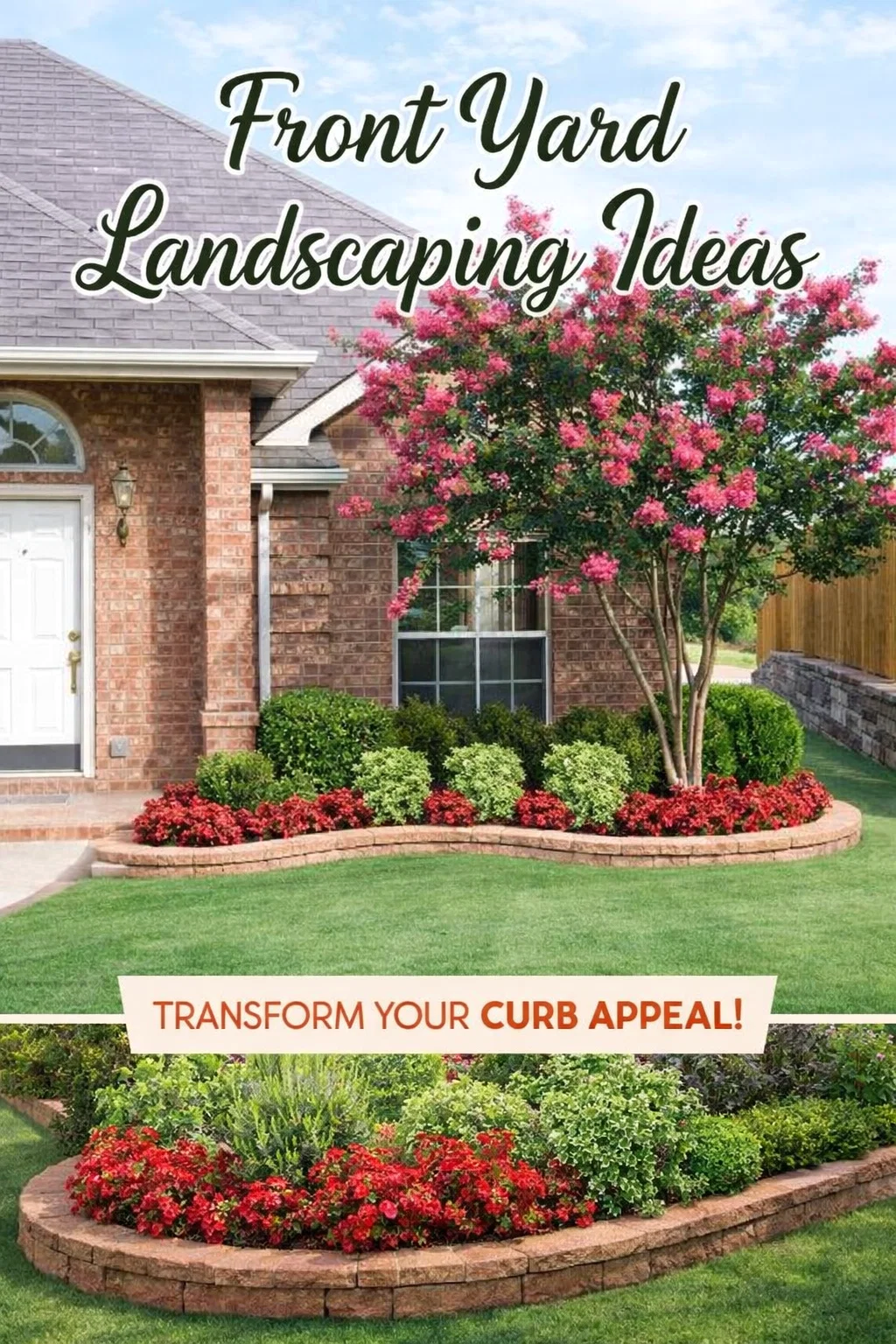
Creating a beautiful front yard is one of the most rewarding home improvement projects you can undertake. When you look at a perfectly manicured lawn paired with vibrant floral displays, it does more than just increase your property value; it creates a sense of pride and a welcoming atmosphere for everyone who visits. The secret to a professional look often lies in the balance between structure and color, using permanent fixtures like trees and shrubs to frame the more delicate seasonal flowers.
The Impact of a Focal Point Tree
In any high quality landscape design, a focal point is essential to draw the eye and provide a sense of scale. A flowering tree, such as the stunning pink Crepe Myrtle seen in many successful front yard designs, serves as the anchor for the entire garden bed. These trees are beloved for their long blooming season and their multi-stemmed trunk structure which adds architectural interest even when the flowers have faded.
Choosing the Right Variety for Your Space
When selecting a centerpiece tree, consider the ultimate height and spread. You want something that complements the height of your home without obscuring the windows or becoming a maintenance burden for your roofline. Crepe Myrtles come in dwarf, semi-dwarf, and standard sizes, making them versatile for almost any yard size. Their vibrant pink or red hues provide a massive burst of color that sets the tone for the rest of your plant selections.
Designing Layers for Depth and Dimension
A common mistake in DIY landscaping is planting everything in a single row. To achieve a professional, lush look, you must think in layers. This involves placing taller plants in the back, medium shrubs in the center, and low-growing groundcovers or annuals at the very front. This technique prevents the garden from looking flat and ensures that every plant is visible from the street.
Background Shrubs and Evergreen Structure
The foundation of your bed should consist of evergreens that keep their leaves all year round. Boxwoods, hollies, or wax ligustrums provide a deep green backdrop that makes the colors of your flowering plants pop. These hardy shrubs act as the skeleton of your garden, ensuring that your front entry looks intentional and tidy even during the winter months when other plants are dormant.
Mid-Level Texture and Variegation
The middle layer is where you can introduce variety in leaf shape and color. Using variegated shrubs with white or yellow edges on their leaves can brighten up shaded corners and add a sophisticated touch. Mixing different shades of green, from lime to forest green, creates a tapestry effect that is visually stimulating without being overwhelming.
The Role of Color Coordination
Color is the most immediate way to create an emotional connection with your landscape. A popular strategy is to pull colors from the architecture of the house itself. For a home with red brick, using complementary red or pink flowers creates a harmonious and integrated look. Alternatively, using cool blues and purples can provide a striking contrast that makes the home stand out in the neighborhood.
Using Annuals for Seasonal Splashes
While shrubs and trees provide the permanent structure, annual flowers like begonias, petunias, or marigolds allow you to change the look of your entry every season. Planting a thick border of bright red begonias along the edge of a curved bed provides a crisp, clean line of color that directs the visitor’s eye toward the front door. Because annuals bloom so prolifically, they offer a level of saturation that perennials often cannot match.
Hardscaping and Defined Edging
No matter how beautiful your plants are, the garden will look unfinished without a clear boundary between the lawn and the soil. Edging is the finishing touch that defines the shape of your garden beds and prevents grass from creeping into your mulch. Using materials like brick or stone provides a classic look that ties in with the masonry of the home.
The Beauty of Curved Bed Lines
Straight lines can sometimes feel rigid or overly formal. Incorporating gentle, sweeping curves into your garden beds adds a natural, organic feel to the landscape. These curves soften the hard angles of the house and the driveway, making the entire property feel more inviting. A curved brick border not only looks elegant but also makes mowing the lawn easier by providing a clear path for the mower blades.
Maintaining a Pristine Lawn
The lawn is the canvas upon which your landscaping sits. A healthy, emerald green carpet of grass provides the perfect contrast to the colorful mulch and flowers in your beds. Achieving this requires a consistent schedule of fertilization, aeration, and proper watering. When the grass is neatly trimmed and edged, it highlights the intentionality of the garden design.
The Importance of Proper Mulching
Mulch serves multiple purposes beyond just looking good. It helps retain moisture in the soil, regulates temperature, and suppresses weed growth. Darker mulches, such as brown or black wood chips, are excellent for making the green foliage and bright flowers of your plants stand out. A fresh layer of mulch twice a year is one of the easiest ways to give your front entry an instant facelift.
Sustainable Gardening Practices
Modern landscaping is moving toward more sustainable and low maintenance options. This includes choosing native plants that are naturally adapted to your local climate and soil conditions. Native plants typically require less water and are more resistant to local pests, which means less work for you and a healthier environment for local pollinators like bees and butterflies.
Smart Irrigation Solutions
To keep your front entry looking its best during the heat of summer, consider installing a drip irrigation system. Unlike traditional sprinklers, drip lines deliver water directly to the roots of the plants, reducing evaporation and water waste. This ensures your flowering trees and shrubs stay hydrated and vibrant even during dry spells.
Enhancing the Entryway Experience
Your landscaping should lead the eye toward the most important part of the facade: the front door. You can use symmetrical plantings on either side of the entrance to create a formal look, or asymmetrical groupings for a more modern, casual feel. Adding lighting to your landscape can extend its beauty into the evening hours, highlighting the texture of the tree bark and the delicate shapes of the flowers.
Functional Beauty with Walkways
A well-defined walkway is a critical component of front entry design. Whether it is made of poured concrete, pavers, or natural stone, the path should be wide enough for two people to walk comfortably. Bordering this walkway with low-growing plants ensures that the path remains clear while still feeling integrated into the surrounding garden.
Conclusion
Transforming your front entry with thoughtful landscaping is an investment in your home and your daily happiness. By combining a strong focal point tree with layered shrubs, vibrant color palettes, and clean hardscape edging, you can create a professional-looking garden that enhances your home’s natural beauty. Remember that great landscaping is a journey, not a destination. As your plants grow and mature, your garden will continue to evolve, offering new surprises and joys with every passing season. Start with a clear plan, focus on the fundamentals of design, and watch as your front yard becomes the jewel of the neighborhood. Save these ideas and start planning your own garden transformation today.