
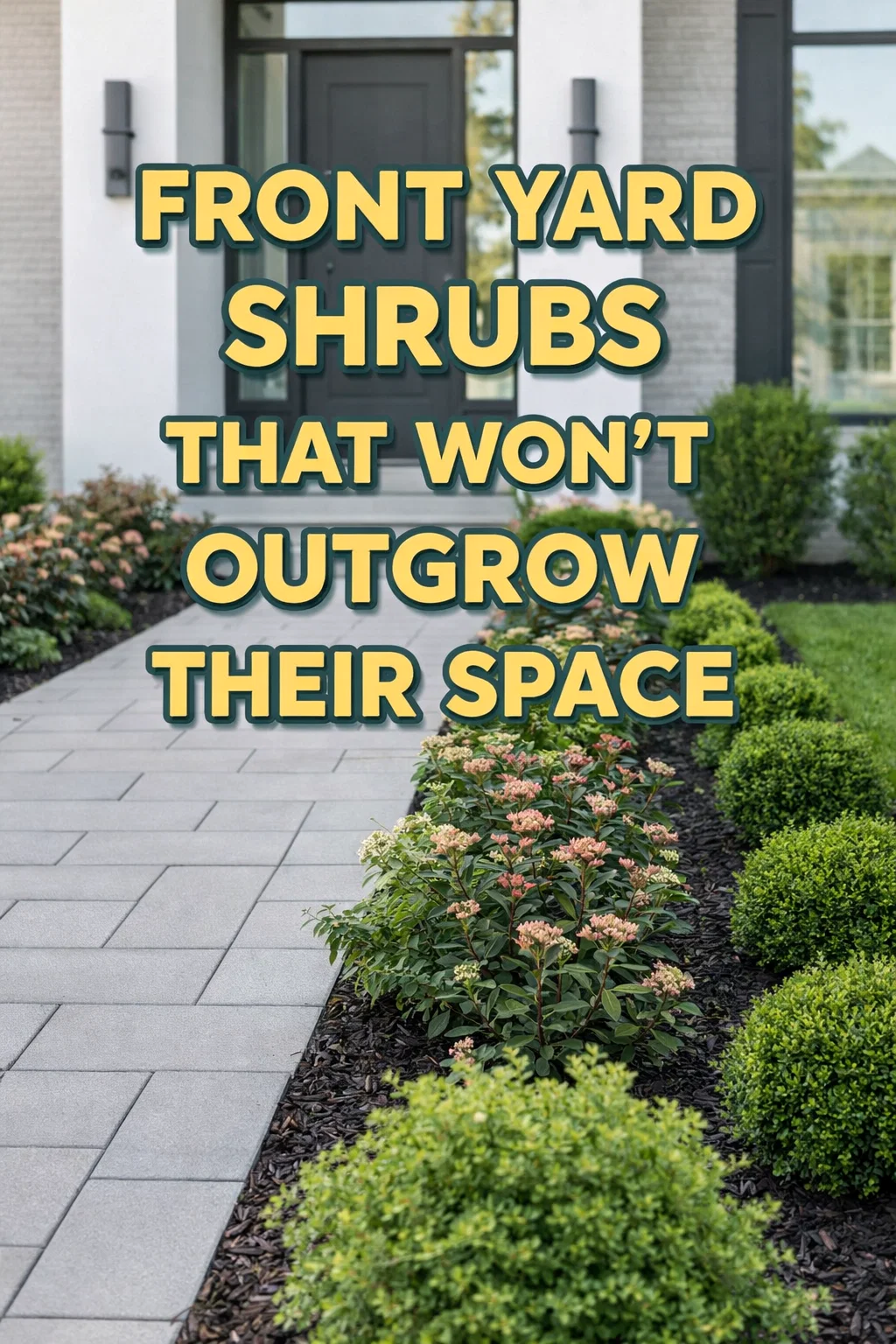
Creating a beautiful front yard is one of the most rewarding home improvement projects you can undertake. It is the first thing guests see when they arrive and the view that welcomes you home every single day. However, many homeowners fall into a common trap. They visit a nursery, pick out beautiful greenery, and plant it without realizing how large those plants will become in just a few years. Before you know it, your windows are blocked, your walkway is a jungle, and your curb appeal is hidden behind massive, overgrown mounds of foliage. The secret to a professional looking landscape that stays manageable is choosing specific varieties of shrubs that are genetically programmed to stay small.
The Importance of Right Plant, Right Place
In the world of professional landscaping, the golden rule is right plant, right place. This concept is especially critical when dealing with the front of the house. Most modern homes have limited space between the foundation and the sidewalk or driveway. If you plant a standard lilac or a traditional burning bush in a three foot wide bed, you are setting yourself up for hours of annual pruning and eventual frustration. By selecting compact or dwarf varieties, you ensure that your design remains intentional and clean over the long term. This approach saves you time, money, and physical labor while keeping your home exterior looking sharp and well maintained.
Understanding Dwarf and Compact Labels
When you are shopping for your garden, pay close attention to the botanical names and the descriptions on the tags. A dwarf shrub is not just a young plant; it is a variety that has been bred to have a slower growth rate and a much smaller mature size than the standard species. For example, while a standard Ninebark can reach ten feet in height, newer cultivars like the ones seen in modern landscape designs might only reach two or three feet. Always look for keywords like compact, mounded, or low growing to ensure the plant fits your specific spatial requirements.
Top Low Maintenance Shrubs for Foundation Planting
Selecting the right species is half the battle. You want plants that offer visual interest through flowers, foliage color, or texture, but they must also be hardy enough to handle the conditions near a house foundation, which can often be drier or more alkaline due to construction materials. Here are some of the best contenders for a front yard that won’t outgrow its welcome.
- Little Quick Fire Hydrangea: This is a fantastic choice for those who love blooms but don’t have the space for a massive bush. It stays around three to five feet and provides stunning white flowers that turn pinkish red as the season progresses.
- Dwarf Boxwood: For a classic, formal look, nothing beats the boxwood. Varieties like Sprinter or North Star stay small and round, providing year round structure and deep green color without needing weekly trims.
- Low Scape Mound Chokeberry: This is a tough as nails native shrub that stays under two feet tall. It offers white spring flowers, glossy summer leaves, and incredible red fall color.
- Bobo Hydrangea: This award winning plant is a powerhouse of white blooms on a frame that rarely exceeds three feet in height. It is perfect for lining walkways.
The Role of Foliage Color in Small Spaces
When you are working with smaller shrubs, you can use color to make a big impact. Darker foliage, like the deep burgundy or purple tones found in certain dwarf Ninebark varieties, provides a stunning contrast against light colored siding or stone. Silver or variegated foliage can brighten up a shady corner. Because these plants stay small, you can mix and match different colors without the fear that one will eventually swallow the other. This allows for a layered, professional look that provides visual interest even when nothing is in bloom.
Design Tips for a Polished Front Walkway
The walkway leading to your front door is a focal point of your property. Designing this area requires a balance between functionality and aesthetics. You want the path to be clear and safe, but you also want it to feel integrated into the garden. Using low growing shrubs along the edges of a stone or paver path creates a soft transition between the hardscape and the lawn. It defines the space and guides the eye toward the entrance of the home.
Layering for Depth and Dimension
Even in a narrow bed, you can create depth by layering your plants. Place your smallest, most compact plants toward the front edge of the bed near the grass or walkway. Just behind them, you can place slightly taller varieties. This staggering technique creates a lush, full appearance that hides the bare mulch at the base of the plants. Since you are using varieties that won’t outgrow their space, you won’t have to worry about the back layer becoming a wall that obscures the plants in front.
Using Mulch to Define Your Beds
One of the easiest ways to make your low maintenance landscaping look like it was done by a pro is to use high quality mulch. Darker mulches, such as dark brown or black wood chips, provide a clean backdrop that makes the colors of your shrubs pop. Mulch also serves a functional purpose by retaining moisture for your small shrubs and suppressed weed growth. A crisp, edged line between your mulch bed and your lawn is the finishing touch that ties the whole look together.
Seasonal Interest and Year Round Appeal
A great front yard landscape should look good in January as well as June. When selecting your small shrubs, try to include a mix of deciduous and evergreen plants. Evergreens like dwarf conifers or holly varieties provide the bones of the garden during the winter months when other plants have lost their leaves. This ensures that your house doesn’t look bare and cold during the off season. Meanwhile, deciduous shrubs provide the changing colors and flowers that mark the transition of the seasons.
Maintenance Made Easy
The beauty of choosing plants that don’t outgrow their space is that your maintenance schedule becomes incredibly light. Instead of heavy pruning with electric shears, you might only need to do a little bit of light shaping once a year with hand pruners. This keeps the plants healthy and maintains their natural form. Additionally, smaller shrubs generally require less water and fertilizer once they are established compared to their larger counterparts. This makes them an eco friendly and budget friendly choice for the modern homeowner.
Creating a Welcoming Entrance
Your front door is the heart of your home’s exterior. The landscaping around it should act like a frame for a beautiful picture. By using symmetrical plantings on either side of the door, you can create a sense of balance and order. If your home has a more cottage style or asymmetrical architecture, you can play with different groupings of shrubs to create a more relaxed feel. The key is to keep the heights below the level of your windows and clear of the actual walking path to ensure the space feels open and inviting.
Avoiding Common Landscaping Mistakes
One of the most frequent mistakes is planting too close to the house. Even a dwarf shrub needs some breathing room for air circulation to prevent mold and pests. Always check the mature width of the plant and divide that number by two to determine how far away from the wall you should dig your hole. Another mistake is ignoring the sunlight requirements. A sun loving shrub planted in the shade will become leggy and thin as it reaches for the light, losing that compact shape you desired. Take the time to observe how the sun hits your front yard throughout the day before you head to the garden center.
Conclusion: A Greener Future for Your Home
Investing in the right front house landscaping is an investment in your home’s value and your own peace of mind. By focusing on shrubs that won’t outgrow their space, you are creating a sustainable beauty that matures gracefully rather than becoming a chore. Whether you prefer the dramatic dark leaves of a dwarf Ninebark or the classic green of a boxwood, there is a perfect compact variety waiting to transform your curb appeal. Take the time to plan your layout, choose your varieties wisely, and enjoy the beautiful, low maintenance results for years to come. Your home deserves a landscape that highlights its best features without hiding them, and with the right small shrubs, that goal is easily within reach.