
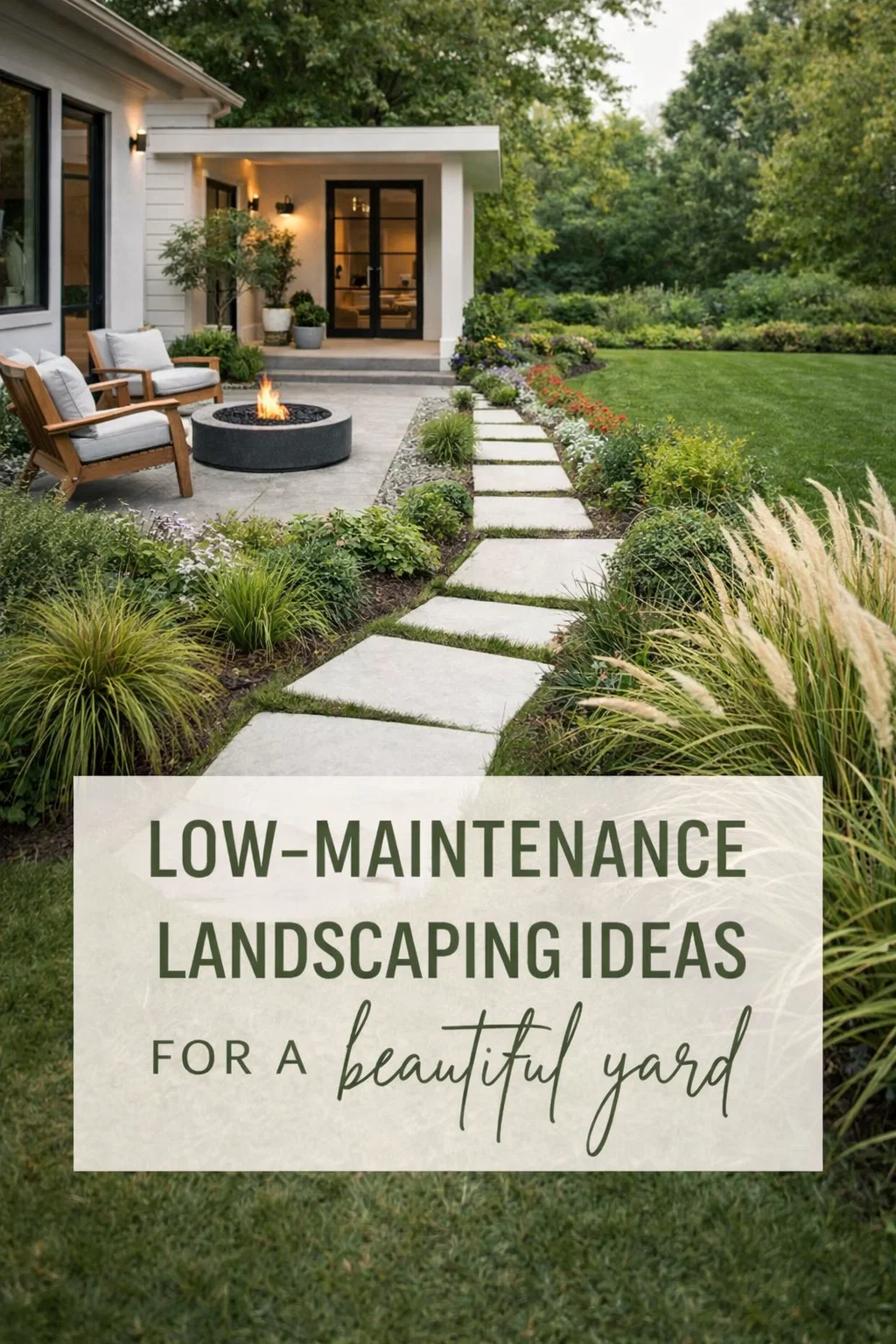
Transforming your outdoor space into a sanctuary does not have to mean signing up for a second full-time job in the garden. For many homeowners, the dream of a lush, inviting yard often feels at odds with a busy lifestyle. However, as the trends in modern landscape design show us, beauty and simplicity can coexist perfectly. By focusing on intentional layouts, hardy plant selections, and durable hardscaping, you can create a high-impact environment that requires minimal effort to maintain. This guide explores the essential elements of low-maintenance landscaping that prioritize both aesthetics and ease of care.
The Shift Toward Minimalist Outdoor Living
In recent years, there has been a significant shift in how we view our backyards. We no longer see them merely as patches of grass to be mowed, but as extensions of our interior living spaces. The rise of minimalist landscape design is a response to our collective desire for peace and functional beauty. By stripping away the clutter of high-maintenance flower beds and demanding turf, we make room for architectural interest and relaxation.
A well-designed low-maintenance yard relies on the principle of quality over quantity. Instead of dozens of different plant species that each require unique pruning schedules, modern designs often utilize a limited palette of resilient plants. This creates a cohesive, sophisticated look that is visually calming and remarkably easy to manage. Whether you are dealing with a small urban patio or a sprawling suburban lot, these principles can be adapted to fit your specific needs.
Hardscaping: The Foundation of a Low-Maintenance Yard
If you want to reduce the time spent weeding and watering, hardscaping is your best friend. Hardscaping refers to the non-living elements of your landscape, such as patios, walkways, and retaining walls. These structures provide the “bones” of your garden and remain beautiful year-round with almost no intervention.
Large-Scale Pavers and Stepping Stones
One of the most effective ways to create a clean, modern look is through the use of oversized concrete or stone pavers. When set into a bed of gravel or surrounded by a low-growth groundcover, these pavers create a stable, mud-free surface for walking. The large surface area of the pavers naturally suppresses weed growth, leaving you with very little to do other than an occasional sweep.
The Power of Gravel and River Rock
Mulch is a classic garden staple, but it breaks down over time and needs to be replenished annually. For a more permanent solution, consider gravel, crushed stone, or river rocks. Not only do these materials provide excellent drainage, but they also offer a variety of textures and colors to complement your home’s exterior. Using a heavy-duty landscape fabric underneath the stone ensures that your “rock mulch” stays clean and weed-free for years to come.
Choosing the Right Plants for Easy Care
Low maintenance does not mean a “no plants” policy. It simply means choosing the right plants for your specific climate and soil conditions. This concept, often called xeriscaping or “right plant, right place,” is the secret to a garden that thrives on its own.
Ornamental Grasses for Texture and Movement
Ornamental grasses are the darlings of modern landscape design for a reason. Varieties like Fountain Grass, Maiden Grass, or Blue Fescue provide incredible visual interest with their swaying plumes and architectural shapes. Most grasses are drought-tolerant once established and only require a single “haircut” once a year in the early spring to clear out old growth.
Succulents and Evergreens
For those living in warmer or drier climates, succulents offer a world of color and geometric patterns without the need for frequent watering. In cooler climates, evergreen shrubs provide the necessary structure. Boxwoods, junipers, and dwarf conifers stay green throughout the winter and generally grow slowly, meaning you won’t be out there with the hedge trimmers every weekend.
Integrating Fire Features and Focal Points
A low-maintenance yard should still feel like a destination. Integrating a focal point, such as a modern fire pit, gives the space a purpose and draws the eye away from any stray leaves or natural imperfections. A circular stone fire pit set on a bed of pea gravel is the ultimate low-effort luxury. It requires no water, no fertilizer, and provides a cozy gathering spot for friends and family during any season.
When you focus on these “anchor” features, the rest of the landscaping can be very simple. A few well-placed pots around a fire area can add pops of color without the commitment of a full garden bed. This modular approach allows you to change your decor as often as you like without digging up your entire yard.
Container Gardening for Versatile Style
If you love the look of lush greenery but hate the task of maintaining large flower beds, container gardening is the perfect compromise. Pots allow you to control the soil quality and moisture levels much more easily than in-ground planting. They also provide the flexibility to move your plants around based on the sun’s position or your entertaining needs.
Grouping Pots for Maximum Impact
To achieve a professional look, group your pots in odd numbers (threes or fives) and vary the heights. Use a mix of sleek, modern planters in neutral tones like charcoal, white, or terracotta. This creates a “mini-garden” effect that feels intentional and lush, yet can be watered in just a few minutes with a simple watering can or a drip irrigation line.
Smart Irrigation and Water Conservation
Watering is often the most time-consuming part of yard work. To truly achieve a low-maintenance lifestyle, consider installing a smart irrigation system. Drip lines are far more efficient than traditional sprinklers because they deliver water directly to the roots of the plants, reducing evaporation and preventing the growth of weeds in unplanted areas.
Many modern systems come with weather-sensing technology. If it has rained recently, the system will automatically skip a cycle, saving you money on your water bill and ensuring your plants don’t get over-hydrated. This “set it and forget it” technology is one of the best investments you can make for your home.
Reducing Turf for a Greener Future
The traditional American lawn is perhaps the highest-maintenance element of any landscape. It requires constant mowing, fertilizing, weeding, and watering. One of the most significant trends in low-maintenance design is the reduction of turf areas. By replacing parts of your lawn with larger garden beds, gravel paths, or deck spaces, you drastically reduce your weekly chores.
If you still want the look of grass without the work, consider high-quality artificial turf or “no-mow” grass alternatives like clover or creeping thyme. These options provide the green aesthetic you love while freeing up your Saturday mornings for more enjoyable activities.
Creating Privacy with Natural Borders
Privacy is a top priority for most homeowners, but high-maintenance hedges like Privet can require monthly pruning. Instead, look toward fencing solutions combined with hardy, upright plants. A modern wooden horizontal fence provides instant privacy and serves as a beautiful backdrop for simple plantings. Pair the fence with tall ornamental grasses or clumping bamboo (non-invasive varieties) to soften the lines and add a natural element that doesn’t require constant shaping.
The Aesthetic of Negative Space
In landscape design, what you leave out is just as important as what you put in. Negative space—the open areas of gravel, pavers, or lawn—allows the eye to rest and highlights the beauty of your chosen plants and features. A cluttered garden feels like work, while a garden with plenty of open space feels like a retreat.
Embracing negative space is a core tenet of modern design. It creates a sense of order and cleanliness that is naturally low-maintenance. When every plant has room to breathe, they are less likely to spread pests or diseases, and you have much easier access for the minimal pruning that might be required.
Conclusion: Your Path to a Stress-Free Sanctuary
Building a low-maintenance landscape is an investment in your quality of life. By choosing durable materials like stone and gravel, selecting plants that are naturally suited to your environment, and utilizing smart technology, you can create a yard that looks professional and polished year-round. The goal is to spend less time working on your yard and more time enjoying it.
Remember that a beautiful yard doesn’t have to be complicated. Start small by converting one high-maintenance area into a rock garden or a paved seating area, and build from there. Before you know it, you will have a stunning outdoor living space that serves as a true extension of your home, providing a peaceful backdrop for memories with family and friends for years to come.