
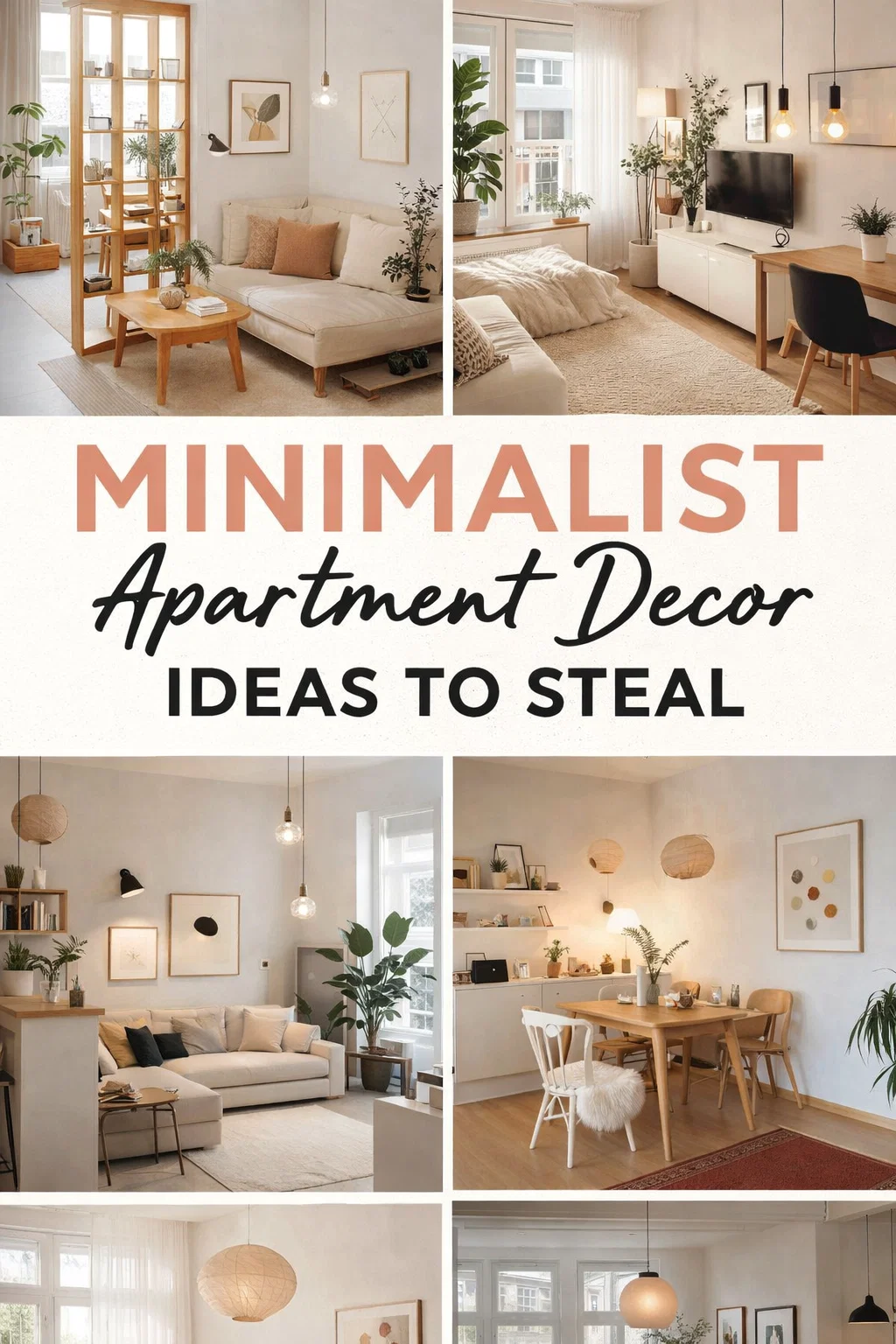
Transforming a small apartment into a sanctuary of style and functionality is an art form that many urban dwellers are mastering. When you are working with limited square footage, every design choice carries significant weight. The secret to a successful small space transformation lies in the principles of modern minimalism. This design philosophy is not just about having fewer things; it is about ensuring that the things you do have are beautiful, purposeful, and harmoniously arranged. By embracing a neutral palette and clever structural elements, you can turn a cramped studio into a breathtaking home that feels open and inviting.
The Foundations of Modern Minimalist Apartment Design
At its core, modern minimalism focuses on the essentials. In the context of a small apartment, this means prioritizing light, air, and movement. The images we see of beautifully curated apartments often share a common thread: a commitment to a cohesive color story. Usually, this involves shades of creamy white, soft beige, and warm wood tones. These colors reflect natural light rather than absorbing it, which immediately pushes the walls back visually and makes the ceiling feel higher.
Minimalism also demands a high level of intentionality. Every piece of furniture should serve a dual purpose or, at the very least, occupy its space with grace. Instead of heavy, dark cabinetry that can make a room feel closed in, modern minimalist spaces utilize “leggy” furniture. Pieces that sit high off the floor allow the eye to see the continuous floor line, creating an illusion of more space. When you can see under a sofa or a coffee table, the room feels significantly less cluttered.
Maximizing Natural Light and Airflow
One of the most effective ways to make a small apartment feel “insanely smart” is to maximize the entry of natural light. Large windows should be celebrated, not hidden behind heavy drapes. Opt for sheer, floor-to-ceiling curtains that soften the light while maintaining privacy. If your apartment lacks large windows, mirrors are your best friend. Placing a large mirror opposite a light source can effectively double the brightness of a room. This simple trick adds depth and a sense of “breathing room” that is vital in tight quarters.
Smart Zoning: How to Define Your Space Without Walls
In a studio or open-plan apartment, one of the biggest challenges is defining where the living room ends and the bedroom or home office begins. Traditional walls are space-killers in small environments. Instead, look toward creative zoning techniques that maintain an airy feel while providing structure.
Using Open Shelving as Room Dividers
Open wooden shelving units are a masterclass in functional decor. By placing a tall, open-backed shelf perpendicular to a wall, you create a visual boundary between two areas, such as a sleeping nook and a seating area. Because the shelf is open, light and sightlines pass through it, preventing the room from feeling chopped up. It also provides a dedicated spot for curated decor, plants, and books, which adds personality without requiring extra floor space for a bookcase elsewhere.
The Power of Area Rugs
Rugs are the invisible walls of interior design. A large jute or wool rug can anchor a seating area, signaling to the brain that “this is the living room.” By using different textures or subtle color variations in rugs, you can distinguish a dining corner from a relaxation zone. For the best effect, ensure that at least the front legs of your furniture sit on the rug. This creates a unified “island” of furniture that feels intentional rather than scattered.
Furniture Selection for the Modern Minimalist
When shopping for a small apartment, the scale of the furniture is everything. Oversized, plush sectionals might look comfortable in a showroom, but they will swallow a small living room whole. Instead, look for sleek profiles and modular designs.
Low-Profile Seating
Lower furniture creates more vertical space between the top of the piece and the ceiling. This gap is crucial for making a room feel expansive. A low-profile sofa in a light fabric like linen or bouclé offers comfort without the visual bulk. Pair it with a slim wooden coffee table to maintain that natural, grounded aesthetic that defines the modern minimalist look.
Dining Solutions for Tight Corners
Many small apartments lack a formal dining room. A small, round wooden table tucked into a corner or placed near a kitchen counter can serve as a dining spot, a workspace, and a prep area. Round tables are particularly effective in small spaces because they lack sharp corners, making it easier to navigate around them in high-traffic areas. Complement the table with mismatched but tonally consistent chairs to add a touch of “boho-chic” character to the minimalist framework.
The Role of Texture in a Neutral Space
A common critique of minimalism is that it can feel cold or clinical. The antidote to this is texture. When you work with a limited color palette, you must vary the materials to create visual interest and physical warmth. This is often referred to as “warm minimalism.”
Layering Textiles
Think about a soft chunky knit throw draped over a smooth linen sofa, or a sheepskin rug layered over a flat-weave jute carpet. These layers provide tactile comfort and prevent the room from looking flat. In the bedroom area, use organic cotton bedding in earthy tones like terracotta or sand to create a cozy nest that feels distinct from the more “public” areas of the apartment.
Incorporating Natural Materials
Wood, stone, and clay bring an organic energy into a modern apartment. Light oak or birch wood provides a sense of cleanliness and durability. Incorporate these through floating shelves, picture frames, or even small decorative bowls. Natural materials have a timeless quality that transcends trends, ensuring your apartment remains stylish for years to come.
Storage Hacks for a Clutter-Free Life
Minimalism is impossible to maintain without a solid storage strategy. In a small apartment, you have to get creative by utilizing vertical space and hidden compartments.
- Wall-Mounted Desks: If you work from home, a floating desk saves precious floor space and keeps the room looking streamlined.
- Under-Bed Storage: Use stylish baskets or low-profile bins to store out-of-season clothing or extra linens.
- High Shelving: Install a shelf above door frames or high up on walls to store items you don’t use daily. This keeps the lower “eye-level” areas clear and open.
- Multi-Use Benches: A bench in the entryway can provide a place to sit while putting on shoes and a hidden spot for storage underneath.
Bringing Life Indoors with Greenery
No minimalist apartment is complete without a touch of nature. Plants act as living sculptures that add color and vibrance to a neutral room. In a small space, you should choose your plants based on the available light and the footprint they occupy.
Vertical Gardens and Hanging Plants
If floor space is at a premium, look up. Hanging a Pothos or a String of Pearls from a ceiling hook allows greenery to cascade down, drawing the eye upward. Alternatively, place a tall Fiddle Leaf Fig or a Monstera in an empty corner. These larger plants can fill a “dead” space perfectly, providing a lush focal point that makes the apartment feel more like a home and less like a box.
Lighting as a Design Element
Lighting is the “jewelry” of an apartment. In minimalist design, lighting fixtures often serve as the primary decorative elements since there is less clutter elsewhere. Avoid harsh overhead fluorescent lights whenever possible. Instead, layer your lighting to create different moods.
Pendant Lights and Floor Lamps
A statement pendant light over a dining table or a workspace can define that area perfectly. Choose fixtures with natural textures, like rattan or frosted glass, to maintain the soft aesthetic. Floor lamps with slim silhouettes can be tucked behind sofas to provide a warm glow for evening reading sessions. The goal is to have multiple light sources at different heights to eliminate dark corners and create an inviting ambiance.
The Mindset of Living Small
Ultimately, successfully decorating a small, modern apartment requires a shift in mindset. It is about choosing quality over quantity. Every time you bring something new into your home, consider if it truly adds value to your life or if it will just contribute to clutter. Living in a smaller space forces you to be more organized and mindful of your surroundings. When your home is clutter-free and thoughtfully designed, it has a profound effect on your mental clarity and overall well-being.
Conclusion: Your Minimalist Journey Starts Here
Creating a smart, modern minimalist apartment is a journey of discovery. It is about finding the balance between “not enough” and “just right.” By using neutral colors, smart zoning, and multifunctional furniture, you can create a space that feels significantly larger than its actual dimensions. Remember to focus on light, embrace natural textures, and keep your surfaces clear. Your home should be a reflection of your personality, curated with care and maintained with intention. Whether you are starting from scratch or looking to declutter, these ideas provide a roadmap to a more beautiful, peaceful, and organized way of living. Start small, think big, and watch your tiny apartment transform into a minimalist masterpiece.