
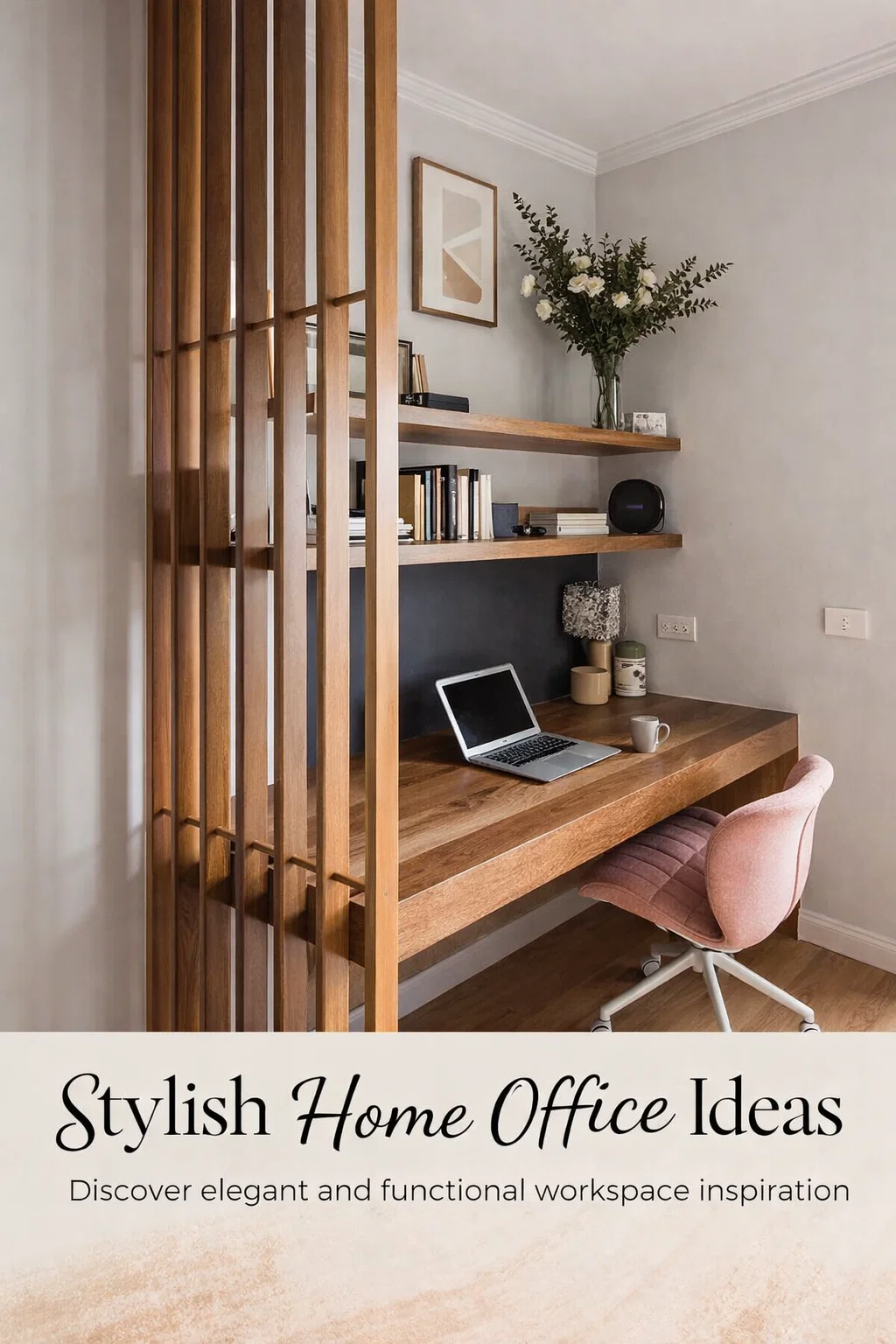
Finding enough room for a dedicated workspace can feel like an impossible challenge when you are living in a compact home or a busy apartment. However, the solution often lies in the most overlooked areas of your floor plan. A hallway is usually treated as a simple transition zone, a place to walk through rather than a place to stay. By rethinking these square feet, you can create a functional and stylish study nook that feels private without requiring an entirely separate room. The image of this modern built-in desk illustrates exactly how a thoughtful design can turn a narrow corridor into a high-productivity zone.
The Power of Vertical Design in Small Spaces
When floor space is at a premium, the only way to go is up. One of the standout features of this specific study nook is the use of floating shelves. Instead of a bulky bookcase that would take up valuable legroom, these thick wooden shelves provide ample storage for books, tech gadgets, and personal decor while keeping the overall look light and airy. By matching the shelf material to the desk surface, the entire unit feels like a cohesive piece of custom furniture rather than a series of afterthoughts.
Floating shelves also allow you to play with visual height. Placing a tall vase of fresh greenery or a curated stack of books on the top shelf draws the eye upward, making the ceiling feel higher and the nook feel more expansive. This vertical approach ensures that your essential tools are within arm reach without cluttering the primary work surface, which is crucial for maintaining focus during long study sessions or work calls.
Choosing the Right Materials for a Seamless Look
The choice of wood in this design is particularly effective. The warm, rich grain of the timber adds a sense of organic comfort to what could otherwise be a sterile or cramped corner. When you are designing a study nook in a high-traffic area like a hallway, you want the materials to complement the existing architecture of your home. Using a consistent wood tone helps the desk blend into the walls, making it feel like a natural extension of the house rather than an intrusive addition.
Pairing these natural wood elements with a dark, moody accent wall behind the desk creates a sense of depth. This contrast defines the “office” zone clearly, separating it from the rest of the hallway. It acts as a visual anchor that signals to your brain that this is a place for concentration. Whether you prefer a matte charcoal paint or a textured wallpaper, creating a backdrop for your desk is a simple way to elevate the entire design.
The Magic of Wood Slat Dividers
Privacy is often the biggest concern when setting up a desk in a common area. How do you stay focused when people are walking by? The slatted wood partition shown in the image is a brilliant architectural solution. It provides a physical boundary that shields the desk from the main thoroughfare of the hallway, yet it remains visually permeable. This means you do not feel boxed in or isolated in a dark corner.
These slats allow light to filter through, maintaining the open feel of the home while still offering a sense of seclusion. The vertical lines of the divider also add a sophisticated rhythm to the interior design. It is a functional piece of art that serves a dual purpose: it hides the back of your computer monitor and your messy cords from guests, while giving you a dedicated “room” of your own.
- Better Airflow: Unlike a solid wall, slats allow for natural ventilation, keeping your workspace cool.
- Acoustic Benefits: The uneven surface of wood slats can help diffuse sound, making the nook slightly quieter than an open room.
- Customizable Privacy: You can adjust the spacing between the slats depending on how much of a “screen” you want to create.
Ergonomics and Comfort in a Compact Nook
Just because a workspace is small does not mean it should be uncomfortable. In fact, ergonomics are even more important in a tight space because you have less room to shift around. The choice of a plush, upholstered chair in a soft rose hue adds a much-needed layer of texture and comfort to this setup. It breaks up the hard lines of the wood and metal, inviting you to sit down and stay a while.
When selecting a chair for a hallway study nook, look for something that can tuck neatly under the desk when not in use. A swivel base is ideal for narrow spaces because it allows you to get in and out of the seat without having to slide a heavy chair across the floor. This saves space and protects your flooring from scuffs and scratches.
Lighting Your Hallway Workspace
Hallways are notorious for being the darkest parts of a home, often lacking windows or direct natural light. To make a study nook truly functional, you need a layered lighting plan. While the image shows a bright, well-lit space, achieving this at night requires strategy. A combination of overhead recessed lighting and a dedicated task lamp is essential.
Consider installing LED strip lighting underneath the floating shelves. This provides a soft, downward glow that illuminates your keyboard and notebooks without creating a harsh glare on your screen. This type of “hidden” lighting also enhances the modern aesthetic of the built-in unit, highlighting the textures of the wood and the items on your shelves.
Organizing a Minimalist Desk
Clutter is the enemy of productivity, especially in a small nook. With a limited surface area, every item on your desk must earn its place. The desk in the image demonstrates a minimalist approach, featuring only a laptop and a small decorative container. Keeping the surface clear not only looks better but also reduces mental distractions.
To keep your hallway nook organized, utilize small bins or trays on your floating shelves for loose items like pens, chargers, and stationery. Cable management is another critical factor. Use built-in grommets or adhesive clips to hide power cords behind the desk legs or along the underside of the shelving. A clean, cord-free look is what separates a professional-looking built-in from a cluttered DIY project.
Personalizing Your Professional Space
While the goal is to keep things tidy, your study nook should still reflect your personality. Because this space is visible to anyone walking through your home, it is a great opportunity to showcase your favorite items. A small bouquet of eucalyptus, as seen in the image, adds life and a pleasant scent to the area. Small framed photos, a unique ceramic mug, or a few carefully chosen art pieces can make the space feel inspiring rather than just utilitarian.
Greenery is particularly effective in a workspace. Plants are known to reduce stress and improve air quality, which can help you stay alert during those mid-afternoon slumps. If your hallway lacks natural light, opt for low-light tolerant plants like snake plants or high-quality faux botanicals that offer the same visual benefit without the maintenance requirements.
Why the Hallway Study Nook is a Growing Trend
The rise of remote work and digital learning has forced many of us to find office space where none existed before. The “cloffice” (closet office) and the hallway nook are becoming staple features in modern interior design because they prove that you do not need a 10 by 10 room to be successful. These micro-offices are efficient, cost-effective, and can actually increase the value of your property by demonstrating smart use of square footage.
Beyond the practical benefits, there is something psychologically satisfying about a perfectly fitted built-in desk. It feels permanent and intentional. It tells you that your work and your personal growth are important enough to have a dedicated spot in the home. It turns a dead end or a long corridor into a destination.
Final Thoughts on Creating Your Perfect Nook
Designing a study nook in your hallway is all about balance. You want to balance privacy with openness, functionality with aesthetics, and comfort with professional focus. By using high-quality materials like warm wood, incorporating clever architectural details like slatted dividers, and staying disciplined with your organization, you can create a workspace that rivals any traditional office.
If you are looking at an empty wall in your hallway and wondering if it could be something more, let this be your inspiration. Measure the space, consider your storage needs, and do not be afraid to go vertical. With a little bit of planning and a few floating shelves, you can transform that forgotten corner into your favorite place to think, create, and work. Whether you are a student, a freelancer, or just someone who needs a quiet place to manage the household, a hallway study nook is a stylish and smart investment in your home and your productivity.