
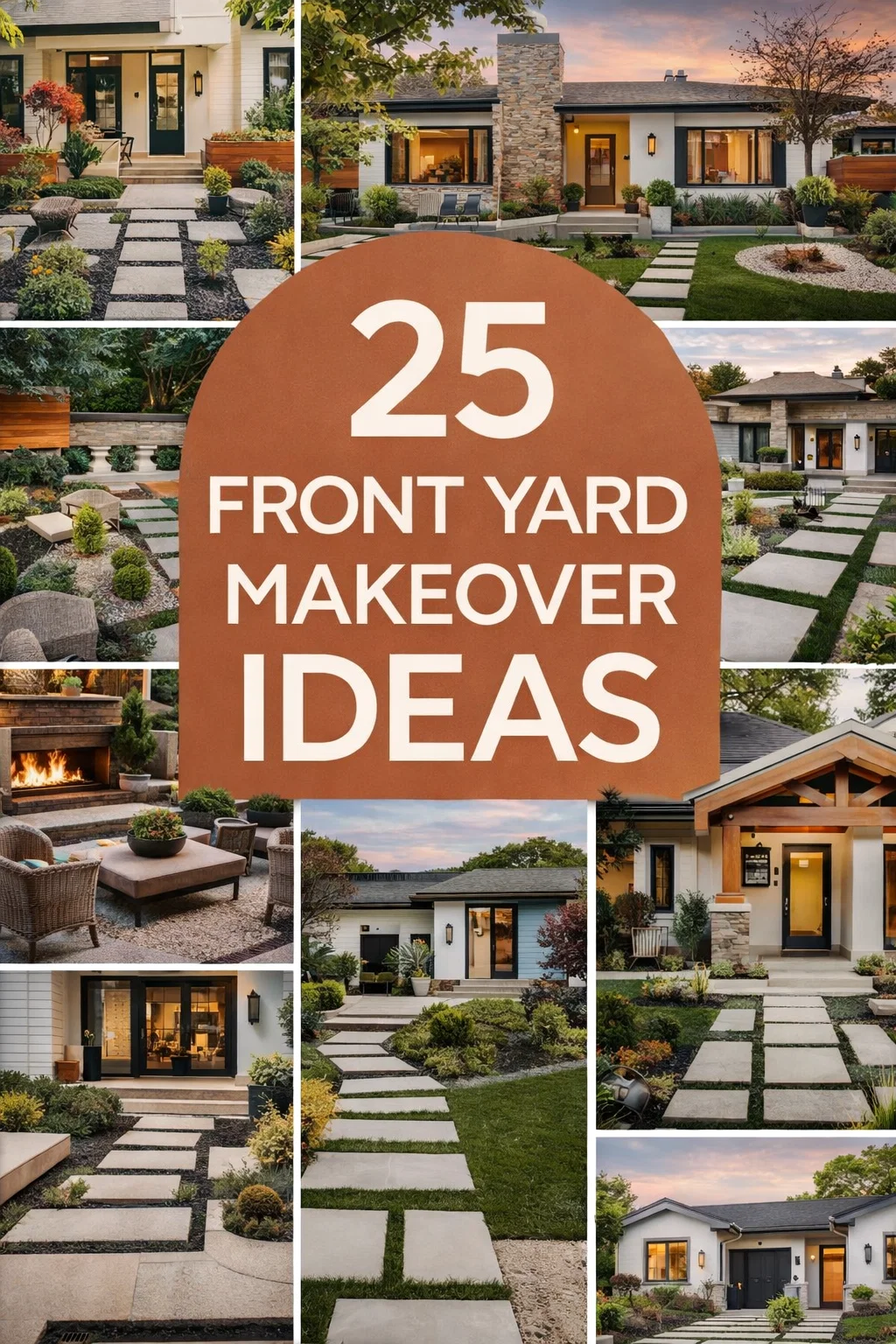
Your home’s exterior is the very first thing people see, acting as a silent greeting to guests and a daily welcome to you. A well-designed front yard is more than just curb appeal; it is an extension of your personal style and a reflection of the care you put into your living space. When you look at modern landscaping trends, the focus has shifted toward clean lines, intentional geometry, and a balance between organic textures and structured hardscaping. Transforming a standard entryway into a breathtaking focal point requires a blend of creativity and strategic planning. Whether you have a sprawling lawn or a compact urban lot, the right layout can elevate your property’s aesthetic while significantly boosting its market value.
The beauty of modern landscape design lies in its versatility. It moves away from the overgrown, high-maintenance gardens of the past and embraces a “less is more” philosophy. By focusing on high-quality materials like oversized stone pavers, architectural lighting, and native plants, you can create a sophisticated look that feels timeless. In this guide, we will dive deep into the elements that make a front yard layout successful, exploring how you can use paths, plants, and lighting to craft an entryway that leaves a lasting impression.
The Power of Modern Walkway Design
One of the most impactful elements in any front yard landscape is the walkway. It serves as the literal path to your front door, guiding the eye and the feet toward your home. In contemporary design, we see a move away from traditional narrow sidewalks in favor of wider, more intentional paths. Stepping stones or oversized rectangular pavers are incredibly popular right now because they create a sense of rhythm and pace. When these pavers are set into a bed of dark river rock or soft turf, the contrast in textures creates an immediate visual interest that feels curated and professional.
Choosing the Right Materials
Material selection is critical for achieving that polished look. Natural stone like bluestone or slate offers a premium feel, while high-quality concrete pavers provide a clean, industrial edge. If you are looking for something more rustic yet modern, consider large flagstones with irregular edges. The key is to match the material to the architecture of your home. A sleek, glass-heavy modern home pairs beautifully with smooth, light-colored concrete, while a transitional or farmhouse-style home might benefit from the warmth of textured stone or brick accents.
Using Geometry to Direct the Eye
Linear paths are great for creating a direct, formal entrance, but do not be afraid to play with angles. A staggered paver layout adds a modern twist that feels more dynamic. By alternating the sizes of your stones or creating a “floating” effect where the grass grows between the steps, you soften the hard edges of the hardscaping. This approach allows the walkway to blend seamlessly with the surrounding garden rather than looking like a separate, harsh structure.
Layering Your Landscape for Depth
A flat yard can often feel uninspired. To create a professional-grade front yard, you need to think in layers. Layering involves using different heights, textures, and colors to build depth. Start with your ground cover, move up to low-lying shrubs and perennials, and finish with mid-sized ornamental trees or structural accent plants. This vertical interest makes the space feel larger and more complex without becoming cluttered.
Selecting Low-Maintenance Greenery
Modern homeowners often prioritize beauty that does not require hours of weekend yard work. Choosing native plants is the best way to achieve this. Native species are already adapted to your local climate and soil, meaning they require less water and fewer fertilizers. Ornamental grasses like fountain grass or Mexican feather grass are staples in modern design because they add movement and a soft texture that contrasts beautifully against rigid stone walls or fences. Boxwoods and hydrangeas are also excellent choices for structured green borders that stay lush throughout the growing season.
The Role of Hardscape Borders
To keep your landscaping looking crisp, use hardscape borders to define your planting beds. Raised steel planters, low concrete walls, or even simple timber edging can prevent grass from creeping into your mulch. These borders act as a frame for your plants, much like a frame for a painting. They also help with drainage and can provide additional seating areas if designed at the right height.
Lighting: The Secret to Nighttime Curb Appeal
Your landscaping should not disappear once the sun goes down. In fact, professional lighting is often the element that separates a DIY project from a high-end designer landscape. Proper lighting serves two purposes: safety and atmosphere. It ensures that guests can navigate your path safely while highlighting the most beautiful features of your home and garden.
Types of Exterior Lighting
- Path Lights: These are low-level fixtures that illuminate the ground along your walkway. Avoid the “runway” look by staggering them on alternating sides of the path.
- Up-Lighting: Placing spotlights at the base of a tree or a structural wall can create dramatic shadows and highlight textures that are invisible during the day.
- Wash Lighting: This involves soft, wide beams of light directed at the facade of the house to create a warm, welcoming glow.
- In-Ground Paver Lights: For a truly modern look, some designers integrate LED strips or puck lights directly into the walkway pavers for a sleek, futuristic feel.
Smart Lighting Systems
Advancements in technology have made it easier than ever to manage your landscape lighting. Smart systems allow you to set schedules from your phone, dim the lights for different moods, or even change colors for holidays. Using LED bulbs is a must, as they are energy-efficient and last much longer than traditional halogen bulbs, saving you money on maintenance and electricity in the long run.
Creating a Welcoming Transition Zone
The area immediately surrounding your front door is the most important part of the layout. This is the transition zone where the outdoors meets the indoors. This space should feel like an outdoor room. If space allows, adding a small porch or a widened landing area provides a place for decor, such as large planters or a modern bench. This invites people to linger and makes the entrance feel grander.
Using Containers for Seasonal Color
While the main structure of your landscaping should be permanent, containers allow you to swap in seasonal colors. Large, minimalist pots in charcoal, white, or terracotta can hold bright flowers in the spring and evergreen boughs in the winter. Placing a pair of symmetrical planters on either side of the front door is a classic design trick that never goes out of style because it creates a sense of balance and formality.
Sustainability in Front Yard Design
Modern landscaping is increasingly focused on environmental responsibility. Incorporating sustainable practices not only helps the planet but can also reduce your utility bills. One popular trend is xeriscaping, which involves using drought-tolerant plants and rocks to minimize water usage. This is particularly effective in arid climates but can be adapted to almost any region.
Permeable Paving and Rain Gardens
Instead of solid concrete driveways or paths, consider permeable pavers. These allow rainwater to soak into the ground rather than running off into the street, which helps replenish the local water table and prevents erosion. Similarly, a rain garden located at a low point in your yard can catch runoff and use it to nourish water-loving plants, turning a potential drainage problem into a beautiful landscape feature.
Common Pitfalls to Avoid
Even with the best intentions, it is easy to make mistakes that can clutter your design. One common error is overcrowding. It is tempting to buy every plant you like at the nursery, but remember that plants grow. Always check the mature size of a plant before putting it in the ground. Leaving “negative space” or empty areas covered with mulch or decorative stone is actually a key component of modern design, as it allows the eye to rest and appreciate the individual features of the yard.
Another mistake is neglecting the view from inside. Your front yard is not just for the neighbors; you should be able to enjoy it from your windows. Think about how the tops of your shrubs or the placement of a flowering tree will look when viewed from your living room or entryway. Designing for both internal and external perspectives ensures you get the most enjoyment out of your investment.
Conclusion: Bringing Your Vision to Life
Designing a front yard landscape layout is an exciting journey that combines art with functionality. By focusing on a clear theme, such as the clean lines and textured contrasts of modern design, you can create an entryway that truly represents who you are. Remember that the best landscapes are built on a foundation of strong hardscaping, layered with thoughtful greenery, and finished with lighting that brings the whole scene to life after dark.
Take the time to sketch out your ideas, consider your climate, and do not be afraid to start small. Whether you are installing a new set of pavers or simply adding some strategic lighting, every change you make brings you closer to the perfect curb appeal. A beautiful front yard is a gift to your neighborhood and a sanctuary for yourself, making it one of the most rewarding home improvement projects you can undertake. With these tips and a bit of inspiration, you are well on your way to creating a front entry that is nothing short of spectacular.