
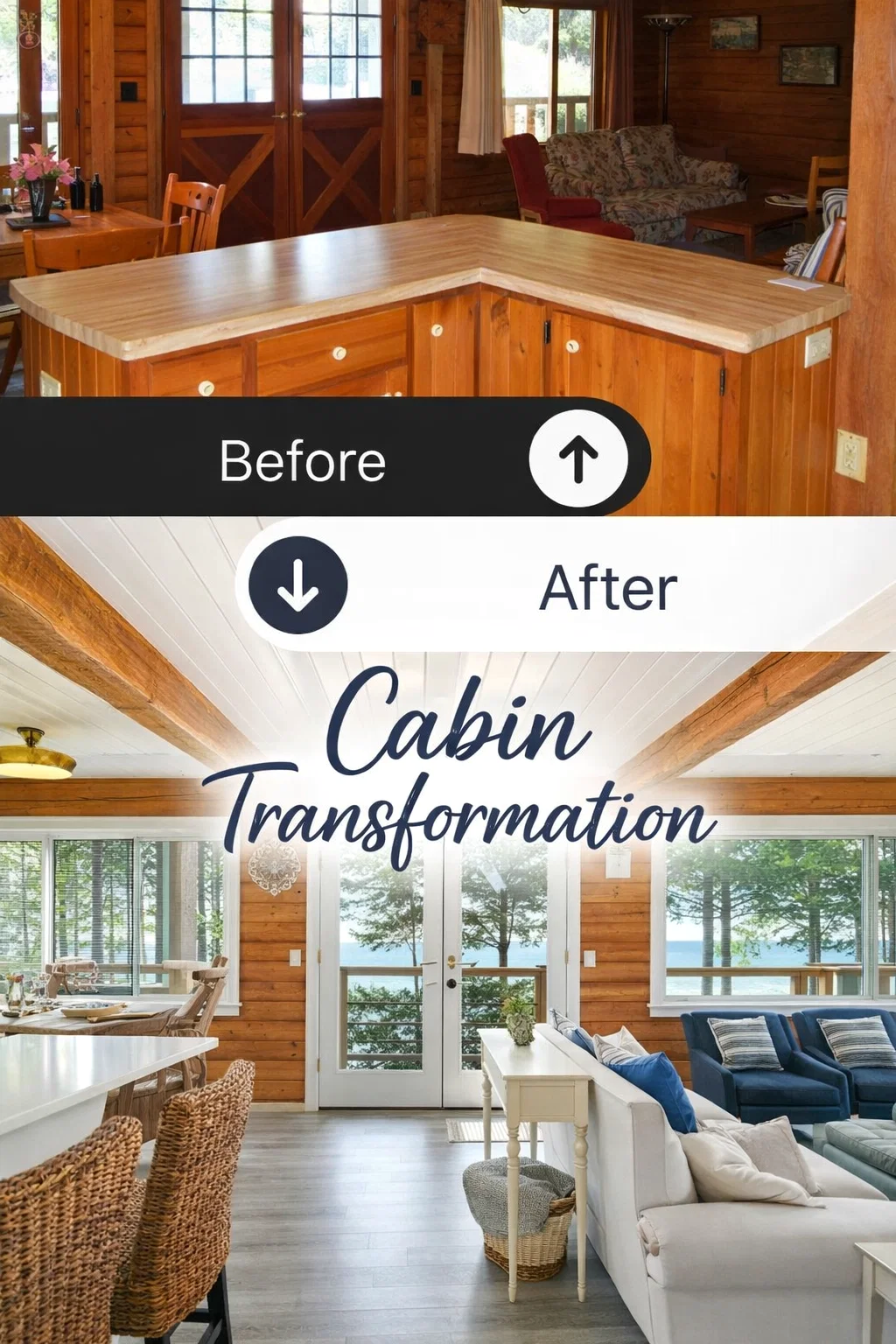
Stepping into a classic log cabin often feels like stepping back in time. There is an undeniable charm to the thick wooden walls, the scent of pine, and the sturdy craftsmanship that defines these rustic retreats. However, many homeowners eventually find themselves facing a common dilemma: how to preserve that soulful, historic character while introducing the light, comfort, and functionality of modern living. The transition from a dark, enclosed space to an airy, contemporary sanctuary is a journey of balance and vision. By analyzing the striking transformation of a traditional log home into a sophisticated lakeside haven, we can uncover the secrets to a successful renovation that honors the past while embracing the future.
Embracing the Vision: From Dark Timber to Bright Sanctuaries
Traditional log homes were often designed with small windows and heavy, dark wood finishes to maximize insulation and create a sense of enclosure. While cozy, these design choices can lead to interiors that feel cramped or shadowy. The core of a modern log home renovation lies in the strategic introduction of light. As seen in many successful lakefront projects, replacing solid wooden doors with expansive glass French doors and widening window frames can instantly dissolve the barrier between the indoors and the breathtaking natural landscape outside.
The goal is to move away from the heavy, monochromatic orange and brown tones that dominated 1980s and 90s cabin design. Instead, renovators are now opting for a layered approach. By keeping the structural log walls as a warm anchor but introducing lighter elements like whitewashed ceiling planks or light oak flooring, the room gains a sense of vertical height and openness. This contrast allows the natural texture of the logs to stand out as a piece of art rather than an overwhelming backdrop.
The Power of Paint and Texture
One of the most debated topics in log home renovation is whether or not to paint the wood. For purists, the idea of covering natural grain is unthinkable. However, a middle ground exists that can completely revolutionize the aesthetic. Painting the ceiling panels between structural beams in a soft, creamy white creates a rhythmic contrast that draws the eye upward. This technique maintains the architectural integrity of the beams while reflecting much more light into the living areas.
Texture also plays a vital role in shifting the mood. In the before state of many cabins, we see heavy wooden furniture and dated floral patterns. The modern update swaps these for high-contrast textures. Think woven seagrass chairs, linen-upholstered sofas, and plush wool rugs. These materials provide a tactile softness that balances the hard surfaces of the wood, making the space feel curated and intentional rather than purely utilitarian.
Redefining the Heart of the Home: Kitchen and Dining Overhauls
In many older log cabins, the kitchen was often tucked away or defined by heavy, dark cabinetry that matched the walls exactly. This created a visual weight that could make cooking feel like being in a basement. Modern renovations focus on creating a kitchen that feels like a breathable part of the open-plan living space. Replacing chunky wood-topped islands with sleek, white quartz or marble surfaces provides a clean workspace that pops against the warm timber walls.
Streamlining Cabinetry and Hardware
To achieve a contemporary look, the “less is more” philosophy is essential. If the original cabinets are structurally sound, they can be refinished in a lighter stain or even a sophisticated navy or sage green to break up the wood-on-wood look. If a full replacement is in order, choosing Shaker-style cabinets or flat-panel designs helps to simplify the visual field. Swapping out old, rounded wooden knobs for matte black or brushed gold hardware is a small change that offers a massive high-end impact.
- Maximize Natural Light: Install larger windows above the kitchen sink to invite the outdoors in.
- Open Shelving: Use live-edge wooden shelves to display white ceramics, breaking up the density of upper cabinets.
- Integrated Lighting: Add under-cabinet LED strips and industrial-style pendant lights to ensure the workspace is bright and functional.
The Living Area: Blending Coastal Comfort with Rustic Roots
When renovating a log home, especially one located near water, a coastal-inspired palette works wonders. By incorporating shades of sand, driftwood, and deep indigo, you can create a seamless transition from the indoor living room to the outdoor deck. In the modern cabin living room, the furniture should be arranged to highlight the view. Low-profile sofas ensure that the sightlines to the lake or forest remain unobstructed.
The transition from a cluttered, mismatched living room to a cohesive design involves thinning out the “cabin kitsch.” While it is tempting to fill every corner with antique lanterns and carved bears, a modern renovation thrives on “editing.” Select a few high-quality focal points, such as a minimalist console table or a large-scale landscape photograph, to give the eyes a place to rest.
Creating Seamless Indoor-Outdoor Flow
A successful renovation doesn’t stop at the walls. The connection to the deck or patio is crucial. By using consistent flooring materials or colors that mimic the outdoor decking, you create an optical illusion of a much larger space. Large glass panes in the doors act as a living mural, changing with the seasons and providing the primary “decor” for the room. This approach turns the natural environment into the star of the show, which is exactly why people choose log home living in the first place.
Technical Considerations for Log Home Updates
Renovating a log structure comes with unique challenges that differ from standard drywall homes. Logs are organic materials that expand and contract. Any renovation project must account for this movement to prevent cracking or gaps. Professional cleaning and cob blasting are often necessary to remove years of old varnish and smoke residue before applying new, breathable stains that protect the wood while allowing its natural beauty to shine through.
Updating Electrical and Insulation
Hiding wires in solid log walls is a notorious difficulty for renovators. During a major overhaul, this is the time to get creative with conduit placement or to run wiring through the floor and ceiling. Improving the home’s energy efficiency is also a top priority. Replacing old, drafty windows with high-efficiency double-paned units will not only improve the look of the home but also significantly lower heating and cooling costs, making the cabin comfortable year-round.
Conclusion: The Lasting Appeal of the Modern Cabin
The transformation of a log home is more than just a cosmetic update; it is an investment in a lifestyle. By stripping away the dark, heavy layers of the past and introducing light, modern materials, and thoughtful design, you create a space that feels both timeless and fresh. This balance allows the home to serve as a peaceful sanctuary where the ruggedness of the wilderness meets the sophistication of modern design.
Whether you are tackling a full-scale remodel or simply looking to brighten a single room, the key is to respect the original character of the logs while giving them room to breathe. The result is a home that feels open, inviting, and perfectly attuned to its surroundings. If you have been dreaming of breathing new life into a rustic retreat, now is the time to start planning your own log home revolution. The beauty of the wood is already there; it just needs a little light to truly shine.