
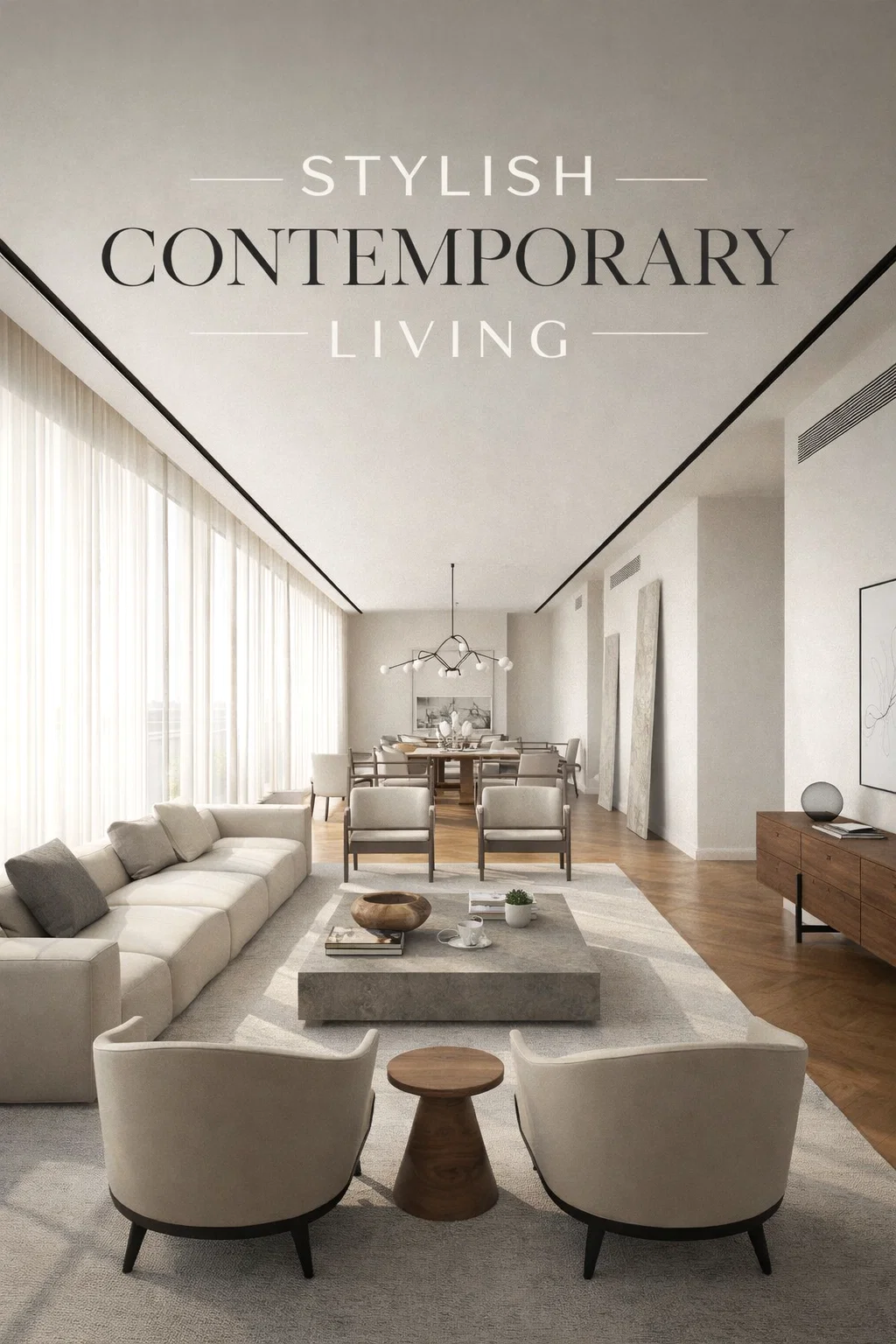
Walking into a long, narrow living room can often feel like stepping into a hallway rather than a cozy sanctuary. However, as modern architecture continues to favor open concept layouts and expansive floor plans, mastering the art of the long living room has become a vital skill for homeowners and interior designers alike. The challenge lies in creating a space that feels intentional, balanced, and functional without appearing cluttered or cavernous. By focusing on smart zoning, strategic furniture placement, and a cohesive color palette, you can transform a challenging rectangular footprint into a sophisticated masterpiece of interior design.
The Power of Zoning in Rectangular Living Spaces
One of the most effective ways to tackle a long living room is to stop thinking of it as one massive area and start seeing it as a series of connected zones. Zoning allows you to give every square foot a specific purpose, which naturally breaks up the visual length of the room. In a professional design setting, this often means creating a primary conversation area, a secondary reading nook, or a seamless transition into a dining space.
To achieve this, look at your flooring as your foundation. Large area rugs are the ultimate tools for zoning. By placing a plush rug under the main seating arrangement and a different, yet complementary, rug under a dining table or desk, you create invisible boundaries that the eye instinctively recognizes. This prevents the furniture from looking like it is floating in a sea of hardwood or tile.
Creating Flow with Furniture Layouts
The layout of your furniture dictates how people move through the room. In a long room, the instinct is often to push all the furniture against the long walls to keep the center open. This is actually a common mistake that can make the room feel like a bowling alley. Instead, pull your sofas and chairs away from the walls. This creates a more intimate atmosphere and allows for walking paths behind the seating area, which makes the space feel wider and more accessible.
- The L-Shaped Sectional: A great way to physically break up the length of a room is by using an L-shaped sofa. The return of the sectional acts as a soft barrier that defines where the living area ends.
- Floating Furniture: Placing armchairs in the center of the room, facing the sofa, creates a cozy conversation circle that ignores the restrictive nature of the long walls.
- Back-to-Back Arrangements: If your room is exceptionally long, you can place two seating areas back-to-back, using a console table between them to provide a decorative transition.
Maximizing Natural Light and Vertical Space
Light is a designer’s best friend when dealing with unconventional room shapes. A long living room with floor-to-ceiling windows is a dream scenario, as the abundance of natural light prevents the far corners of the room from feeling dark or neglected. If you have large windows, use sheer curtains that allow light to filter through while maintaining privacy. The goal is to draw the eye outward, making the boundaries of the room feel less restrictive.
Verticality also plays a huge role in how we perceive space. When a room is long, you want to draw the eye upward to balance the horizontal lines. Tall floor lamps, high-hanging artwork, and floor-to-ceiling shelving units are excellent for this. Notice how a minimalist chandelier or a sculptural pendant light can act as an anchor, drawing the gaze to the center of the room and providing a sense of height that counters the long floor plan.
The Role of Minimalist Aesthetics
In a long room, less is almost always more. A minimalist approach ensures that the architectural lines of the space remain the star of the show. Choosing furniture with clean lines and low profiles helps maintain a clear line of sight from one end of the room to the other. When you can see the entire length of the floor and the baseboards, the room feels significantly more spacious. Avoid bulky, oversized pieces that block the view or make the walkway feel cramped.
Color Palettes and Textures for a Balanced Look
Color has the power to manipulate our perception of distance. To make a long room feel more proportional, consider using warmer or darker tones on the shorter end walls. This visual trick brings the walls inward, making the room feel more like a square. On the long walls, stick to light, neutral tones like soft whites, creams, or pale greys to keep the space feeling airy.
Texture is what prevents a minimalist or neutral room from feeling cold. Incorporating a mix of materials such as a stone coffee table, wooden herringbone floors, and velvet upholstery adds layers of visual interest. These tactile elements invite people to stay and relax, turning a grand architectural space into a home. Don’t be afraid to mix organic shapes, like a rounded coffee table or curved armchairs, with the sharp angles of the room to soften the overall aesthetic.
Essential Decor for Long Living Rooms
When it comes to decorating, focus on a few high-impact pieces rather than many small knick-knacks. A large, oversized piece of art on one of the long walls can serve as a focal point, giving the eye a place to rest. Similarly, a long, low media console or a beautiful wooden sideboard provides storage while reinforcing the room’s elegant proportions.
- Mirrors: Placing a large mirror on a long wall can effectively double the perceived width of the room.
- Indoor Greenery: Large potted plants can fill awkward corners and add a vibrant, organic touch to a neutral palette.
- Symmetry: Using pairs of chairs or identical lamps can create a sense of order and balance that is very pleasing in a long layout.
Choosing the Right Flooring
The flooring you choose can either emphasize or mitigate the length of your room. Herringbone or chevron patterns are particularly effective in long spaces because the diagonal lines lead the eye in multiple directions, rather than just straight down the room. This adds a sense of movement and luxury. If you are using traditional planks, laying them width-wise can help the room feel wider, whereas laying them length-wise will emphasize the grand, gallery-like feel of the space.
The Importance of a Focal Point
Every room needs a heart. In a long living room, it is easy for the focus to get lost. Decide what the main attraction is. Is it the fireplace? The stunning view outside? A high-end entertainment center? Once you identify the focal point, arrange your primary seating zone around it. All other zones in the room should feel like supporting characters to this main stage. This creates a sense of hierarchy and ensures the room feels organized and purposeful.
Lighting Layers for Atmosphere
Proper lighting is crucial for defining different areas within a long room. You cannot rely on a single overhead light to do all the work. Instead, layer your lighting. Use recessed ceiling lights for general illumination, pendant lights to define the dining or seating areas, and floor or table lamps for task lighting and ambiance. Dimmer switches are also a fantastic addition, allowing you to change the mood of the entire room with a simple adjustment.
Conclusion: Embracing the Length
Designing a long living room is an exercise in balance and intentionality. Rather than fighting the natural shape of the space, embrace its unique potential for elegance and drama. By dividing the room into functional zones, choosing furniture that promotes flow, and using a cohesive palette of colors and textures, you can create a home that feels both expansive and intimate. Remember that the best designs are those that reflect the way you live. Whether you are hosting a large dinner party or curling up with a book, your long living room should be a versatile backdrop for all of life’s moments. With these strategies in hand, you are ready to turn your rectangular space into the sophisticated, inviting sanctuary you have always envisioned. Keep experimenting with layouts and decor until the flow feels just right, and don’t be afraid to let the architecture of your home lead the way.