
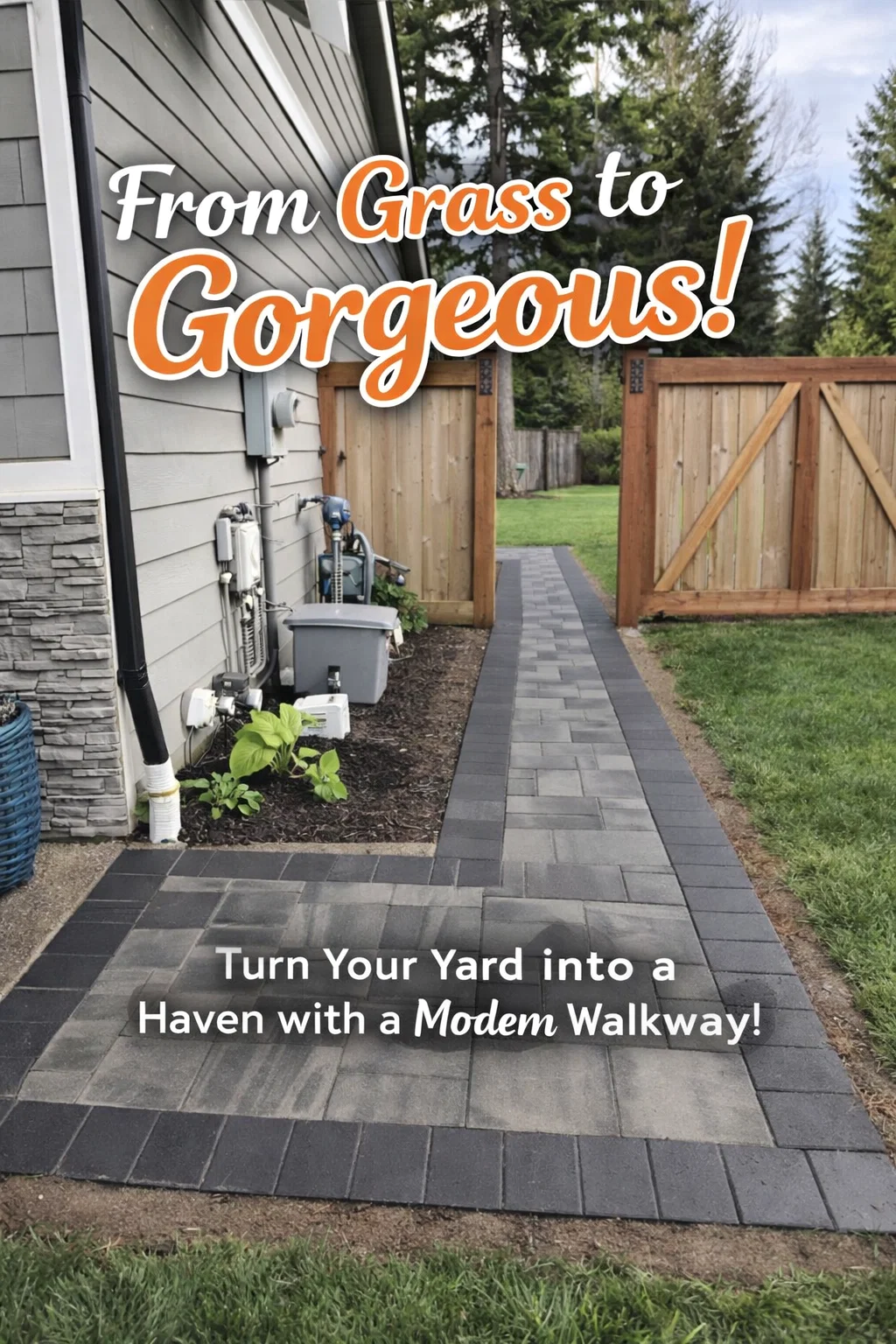
Transforming a neglected side yard into a functional and aesthetically pleasing transition zone is one of the most rewarding home improvement projects you can undertake. As seen in the striking before and after comparison of this outdoor space, the transition from a simple patch of patchy grass to a structured, modern paver walkway completely changes the character of the property. Often, the narrow strips of land between a house and a fence are forgotten or relegated to housing utility meters and air conditioning units. However, with the right materials and a clear vision, these utility zones can become high-traffic assets that enhance your home value and daily experience.
The Impact of Professional Paver Walkways on Curb Appeal
When we look at the initial state of the yard, the white marking paint on the grass indicates the beginning of a plan, but the overall feel is cluttered. Utility boxes and pipes often create a visual eyesore that draws the eye for all the wrong reasons. By installing a structured stone walkway, you create a dedicated path that guides the eye toward the backyard, making the space feel intentional rather than accidental.
The choice of pavers in this transformation is particularly effective. Utilizing a two-tone gray palette provides a contemporary look that complements the cool tones of the home siding. The darker border, known as a soldier course, frames the lighter interior stones, providing a sense of permanence and architectural detail. This isn’t just about walking from point A to point B; it is about creating a visual narrative that speaks to the quality and care put into the entire property.
Designing for Functionality and Flow
A side yard is rarely just a decorative garden; it is a thoroughfare. Whether you are moving trash bins, dragging a garden hose, or leading guests to a backyard barbecue, the surface underfoot needs to be stable and wide enough for easy passage. The layout shown here utilizes a 90 degree turn that maximizes the usable space while leaving enough room for a small garden bed against the foundation of the house.
By keeping the walkway wide and level, you eliminate the tripping hazards associated with uneven turf. Furthermore, stone surfaces are much easier to maintain than grass in narrow corridors. Side yards often suffer from limited sunlight, which leads to muddy soil and thinning grass. Replacing that struggling lawn with durable pavers ensures a clean, mud-free path regardless of the season or weather conditions.
Choosing the Right Materials for Your Hardscaping Project
The success of this project hinges on the selection of high-quality concrete pavers. Unlike poured concrete, which can crack over time due to soil shifts, individual pavers offer flexibility. They are designed to move slightly with the earth, which prevents large-scale structural damage. When considering a similar project, you should look for stones that offer a non-slip texture to ensure safety during rainy days.
The Benefits of Large Format Pavers
In modern landscaping, large format pavers are trending because they minimize the number of grout lines, creating a cleaner and more expansive feel. In the after photo, the large rectangular blocks in the center of the path provide a solid foundation that feels sturdy and modern. These are paired with smaller, darker rectangular stones for the edging to create contrast. This contrast is a secret weapon in landscaping; it highlights the craftsmanship and makes the colors of the home pop.
Managing Utilities with Style
One of the biggest challenges in side yard landscaping is the presence of electrical meters, gas lines, and HVAC equipment. In this transformation, the design leaves a dedicated mulch bed around these utilities. This is a brilliant move for two reasons. First, it allows for easy access if a technician needs to service the equipment. Second, it provides a space for low-growing plants or ornamental grasses that can soften the look of the metal hardware without completely obstructing it. A few well-placed white lilies or hostas can turn a utility zone into a charming garden nook.
Step-by-Step Considerations for a Walkway Installation
While the final result looks effortless, a great deal of preparation goes into a professional-grade walkway. Seeing the white lines in the before photo reminds us that the first step is always a precise layout. Digging out the sod and a portion of the subsoil is necessary to create room for a crushed stone base and a layer of leveling sand. This foundation is what prevents the walkway from sinking or shifting over the years.
The Importance of Proper Drainage
Whenever you add a hard surface to your yard, you must consider where the water will go. The walkway should be slightly sloped away from the foundation of the house to prevent water from pooling near the basement or crawlspace. Professional installers use laser levels to ensure the pitch is perfect. In the image, you can see how the path sits slightly above the surrounding soil level, ensuring that runoff moves into the lawn where it can be naturally absorbed.
Edging and Finishing Touches
The difference between a DIY look and a professional finish often lies in the edging. The dark gray border stones in this project are set firmly to act as a restraint, keeping the interior stones from spreading. Once the stones are laid, polymeric sand is swept into the joints. This specialized sand hardens when misted with water, locking the pavers together and preventing weeds from growing up through the cracks. It also keeps ants and other insects from tunneling under your new path.
Enhancing the Walkway with Softscaping
Hardscaping provides the bones of the yard, but softscaping (the plants) provides the soul. The small mulch bed seen between the house and the new path is the perfect opportunity to add color and texture. When choosing plants for a side yard, consider the following:
- Light Requirements: Check how many hours of sun the area gets. Many side yards are shaded by the house or fence, making them ideal for ferns, hostas, or hydrangeas.
- Growth Habit: Choose plants that won’t overgrow the path. You don’t want to have to prune bushes every week just to walk through the gate.
- Seasonal Interest: Use a mix of evergreens for winter structure and flowering perennials for summer color.
In the example image, the use of simple greenery and white flowers creates a clean, classic look that doesn’t compete with the patterns of the stonework. It feels balanced and refreshed.
Why You Should Invest in Your Side Yard
Many homeowners focus all their budget on the front porch or the back patio, leaving the sides of the house as an afterthought. However, a well-designed side yard offers a massive return on investment. It improves the flow of your entire outdoor living space and makes the property feel larger and more cohesive. It also eliminates a common source of frustration: the dreaded “muddy path” that occurs every time it rains.
Beyond the practical benefits, there is a psychological boost to seeing a finished, tidy space. Walking through a beautiful gate onto a solid, clean stone path feels much better than navigating around weeds and over uneven dirt. It shows a level of pride in ownership that resonates with neighbors and potential buyers alike.
A Note on Fence and Gate Coordination
The wooden fence and gate in the background of the photo provide a warm, natural contrast to the cool gray of the stones. When planning your walkway, take the material of your fencing into account. The vertical grain of the wood and the diagonal bracing on the gate add a rustic charm that softens the modern lines of the pavers. Maintaining your fence with a fresh coat of stain can further enhance the overall look of your new walkway.
Final Thoughts on Backyard Transformations
The journey from a marked-up lawn to a sophisticated stone walkway is a testament to the power of thoughtful landscaping. By identifying the primary function of the space and choosing materials that reflect the style of the home, any homeowner can turn a “utility area” into a highlight of the property. This project demonstrates that even the smallest, most awkward parts of a yard have the potential for greatness. Whether you are looking to solve a drainage issue, improve access, or simply boost your curb appeal, a paver walkway is a timeless solution that brings both beauty and order to your outdoor world. Take the time to plan your layout, choose your palette carefully, and enjoy the process of watching your home transform into a more polished version of itself.