
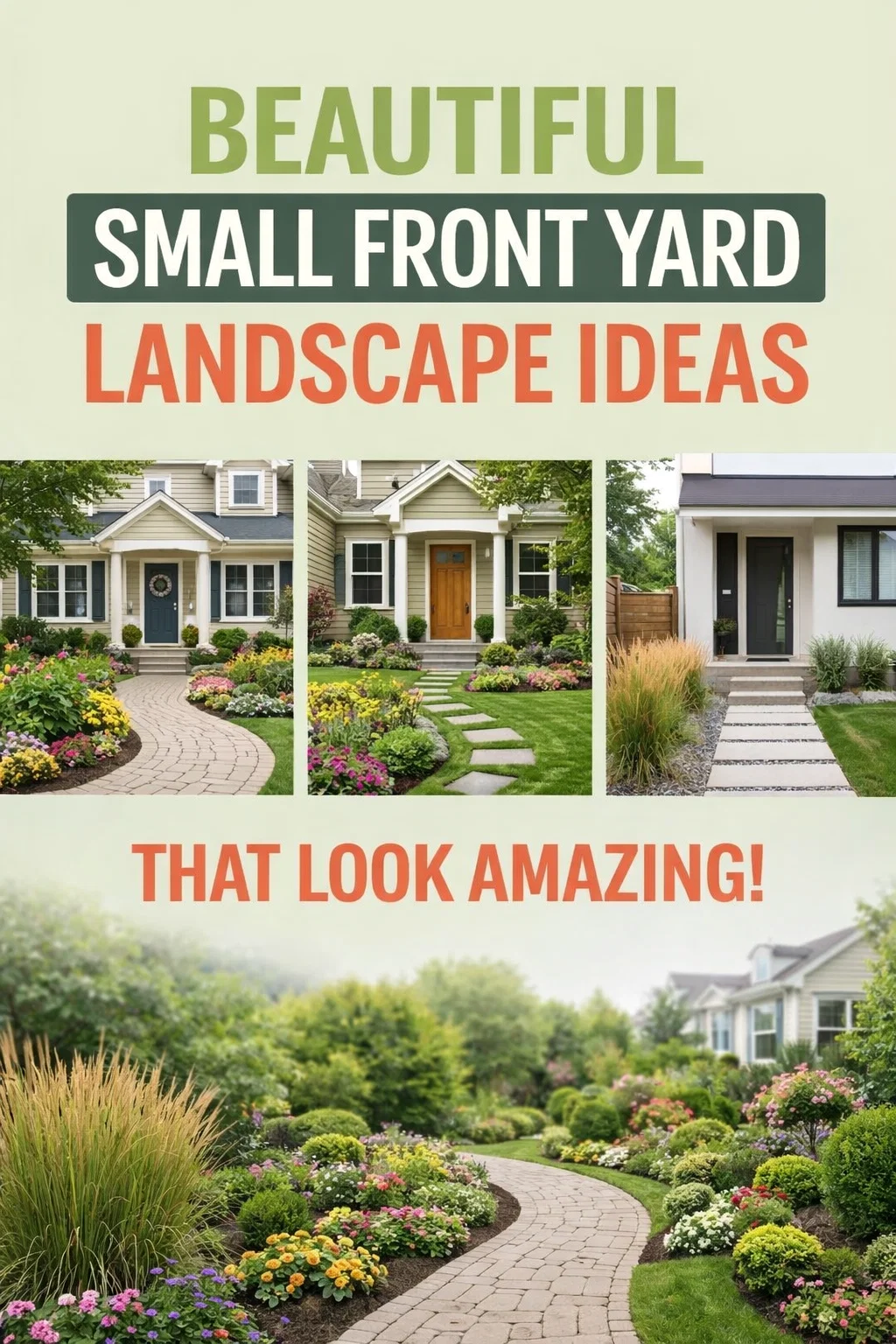
First impressions are everything when it comes to your home. Whether you are planning to sell or simply want to enjoy a more beautiful view when you pull into the driveway, your front yard is the face of your property. Many homeowners feel restricted by a lack of space, but a small front yard is actually a golden opportunity to create a focused, high impact design that radiates charm. By carefully selecting plants, defining paths, and utilizing vertical space, you can turn a modest patch of grass into a breathtaking entrance that stops neighbors in their tracks.
The Power of Curb Appeal in Small Spaces
Curb appeal is often talked about in the real estate world as a way to increase property value, but its true power lies in the way it makes you feel about your home. A well landscaped front entry provides a sense of pride and a warm welcome. In a small yard, every square inch counts. You do not have the luxury of vast lawns to hide mistakes, so every choice must be intentional. The goal is to create a sense of harmony between the architecture of your house and the natural elements surrounding it.
When you look at successful small yard designs, you will notice they often share a common theme: balance. This does not always mean perfect symmetry, but rather a balanced distribution of visual weight. For instance, if you have a large window on one side of your door, you might balance it with a taller ornamental tree or a dense shrub on the other. This creates a frame for your front door, which should always be the focal point of your landscaping efforts.
Choosing the Right Plants for a Front Entry
Selecting plants for a small front yard requires a bit of restraint. It is tempting to buy every beautiful flower at the garden center, but a cluttered garden can make a small space feel even smaller. Instead, focus on a curated palette of plants that offer multi seasonal interest.
Evergreens for Year Round Structure
Evergreens are the backbone of any good landscape design. They provide color and structure during the winter months when other plants have gone dormant. For small entries, look for dwarf varieties of boxwoods, junipers, or yews. These can be easily pruned into neat globes or low hedges to define the edges of your flower beds and provide a green backdrop for more colorful perennials.
Perennials for Bursting Color
Perennials are the stars of the show during the spring and summer. To keep your small yard looking professional, choose a color scheme and stick to it. Soft purples, whites, and pinks create a classic, romantic feel, while bright yellows and oranges offer a more energetic, modern vibe. Plants like lavender, coneflowers, and hostas are excellent choices because they are hardy and offer beautiful foliage even when they are not in bloom.
Incorporating Annuals for Instant Impact
While perennials are a great long term investment, annuals allow you to change the look of your entry every year. Use annuals in window boxes or in the front row of your flower beds to add splashes of intense color. Petunias, geraniums, and marigolds are reliable favorites that bloom consistently throughout the warmer months.
Designing Paths and Walkways
The path leading to your front door is more than just a functional necessity; it is a design element that guides the eye. In a small front yard, the walkway is often the most prominent feature, so it is worth investing in quality materials and a thoughtful layout.
The Charm of Curved Pathways
Straight lines can sometimes feel harsh or utilitarian. If you want to make your small yard feel larger and more organic, consider a curved pathway. A gentle S curve slows down the journey to the front door, allowing visitors to appreciate the surrounding plants. It also creates pockets of space for planting beds on either side, making the landscape feel more integrated with the architecture.
Material Matters: Stone, Brick, and Pavers
The material you choose for your walkway should complement the style of your home. Natural flagstone is perfect for a cottage or rustic look, offering an earthy and timeless feel. Bricks provide a traditional, stately appearance and are incredibly durable. For a more modern home, large concrete pavers surrounded by decorative gravel or moss can create a clean, minimalist aesthetic. Using high quality materials for a small path is often more affordable than you think because the total square footage is limited.
Maximizing Vertical Space and Containers
When you run out of horizontal space, look up. Vertical gardening is a secret weapon for small front yards. It adds height and interest without encroaching on your walking space.
Window Boxes and Railing Planters
Window boxes are a classic way to add charm to a home. They bring the garden up to eye level and soften the transition between the walls and the landscape. You can fill them with trailing plants like ivy or creeping jenny, which spill over the edges and create a lush, overflowing look. If your front entry has a porch or steps with railings, hanging planters can serve a similar purpose, adding greenery where you least expect it.
The Role of Large Potted Plants
Strategic placement of containers can transform a boring porch into an inviting outdoor room. A pair of matching large pots flanking the front door creates a sense of ceremony and importance. You can use the thriller, filler, and spiller method for these pots: a tall, dramatic plant in the center (the thriller), mounded flowers around the base (the filler), and trailing vines over the sides (the spiller). This creates a professional, multi dimensional look that is easy to maintain.
Layering Your Landscape for Depth
One of the biggest mistakes homeowners make in small yards is planting everything in a single, flat row. This can make the yard look two dimensional and uninspired. To create a professional look, you must master the art of layering.
Background, Mid ground, and Foreground
Think of your flower beds like a stadium seating arrangement. The tallest plants, such as ornamental grasses or upright shrubs, should be at the back, closest to the house. The middle layer should consist of medium sized perennials and flowering shrubs. Finally, the foreground should feature low growing groundcovers, small flowers, or decorative stones. This layering technique creates a sense of depth and makes the garden feel much more substantial than it actually is.
Using Texture to Create Interest
Color is important, but texture is what gives a garden character. Mix plants with different leaf shapes and sizes. For example, the broad, waxy leaves of a hosta look fantastic next to the fine, airy foliage of a fern or an ornamental grass. These contrasts keep the eye moving and ensure that the garden looks interesting even when nothing is currently in flower.
Lighting: The Finishing Touch
Don’t let your hard work disappear once the sun goes down. Proper outdoor lighting is essential for safety, but it also adds a magical quality to your landscaping at night. In a small front entry, a few well placed lights can go a long way.
Consider path lights to illuminate the walkway and prevent trips. You can also use small spotlights to highlight a particularly beautiful tree or a focal point in your flower bed. This technique, known as up lighting, adds drama and elegance to the home’s facade. Solar powered lights are an easy, wire free option, but hardwired low voltage lighting typically offers a more consistent and professional glow.
Maintenance Tips for Small Entryways
The beauty of a small yard is that it is relatively easy to maintain, but because the space is small, weeds and overgrown plants are much more noticeable. A little bit of regular attention will keep your front entry looking pristine year round.
- Regular Mulching: A fresh layer of mulch not only keeps weeds at bay but also gives the garden a finished, professional look. Use dark brown or black mulch to make the green of your plants pop.
- Deadheading Flowers: Removing spent blooms encourages plants to produce more flowers and keeps the garden looking tidy.
- Pruning for Scale: Ensure your shrubs do not grow so large that they block windows or crowd the walkway. Regular pruning helps maintain the intended shape and scale of your design.
- Edging: Keeping a sharp, clean edge between your lawn and your flower beds is one of the simplest ways to make your landscaping look high end.
Conclusion: Your Dream Entry Awaits
Transforming your front entry landscaping does not require a massive estate or a limitless budget. By focusing on smart design principles, choosing the right plants for your specific climate, and adding personal touches like unique walkway materials or beautiful containers, you can create a space that is both functional and enchanting. A small yard allows you to obsess over the details and create a truly curated environment that reflects your personal style.
Remember that landscaping is a journey, not a destination. Your garden will grow and change with the seasons, and you can always add new elements as you discover what works best for your home. So, grab your gardening gloves and start planning. Your home deserves an entrance that is as welcoming and beautiful as the life you lead inside it.