
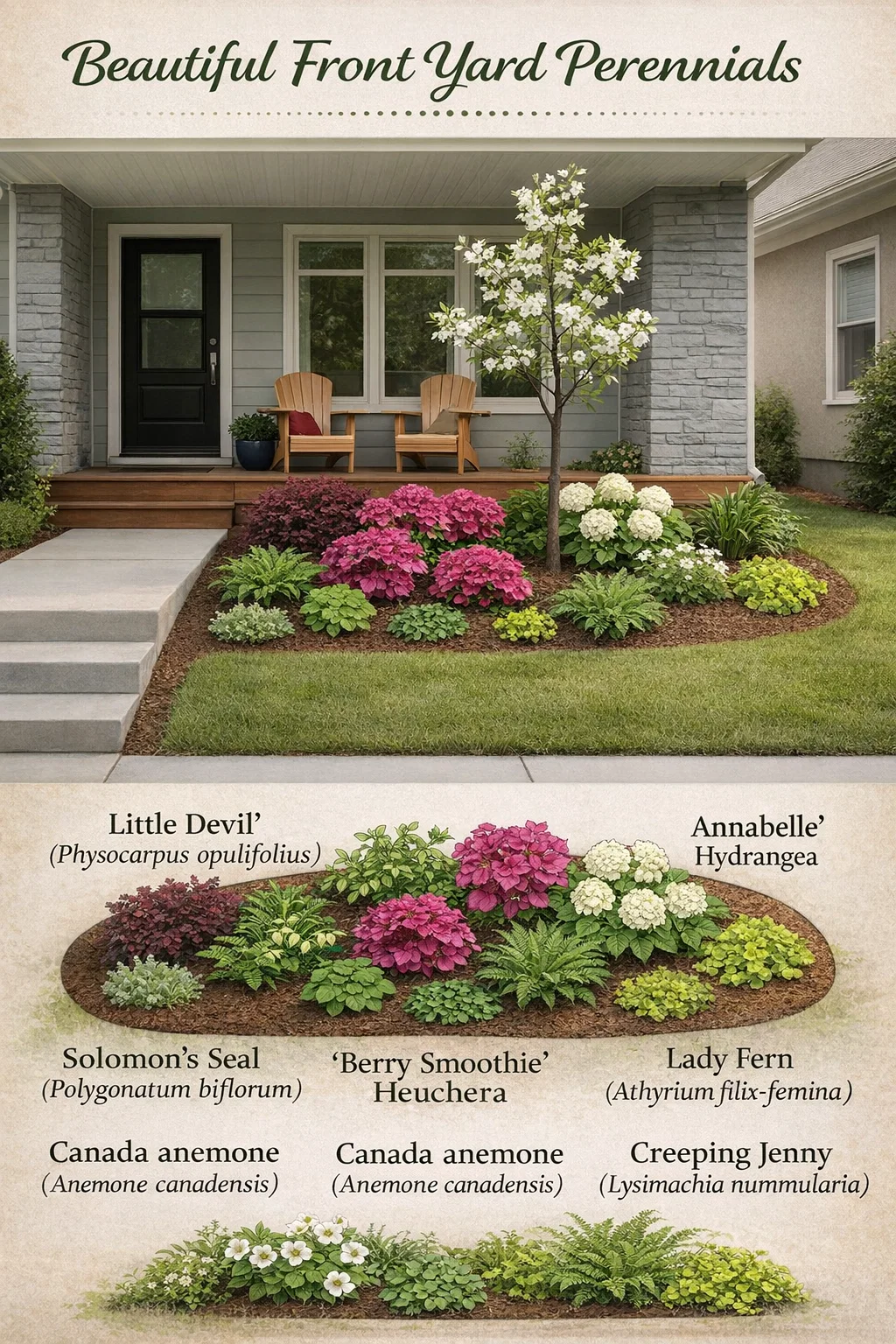
Transforming your front yard into a welcoming oasis does not require a massive budget or a degree in landscape architecture. Often, the most striking home exteriors are the result of thoughtful plant selection and a clear understanding of how different textures and colors work together. If you have been staring at a patchy lawn or an empty garden bed under a porch, now is the perfect time to embrace a design that provides year-round beauty with manageable maintenance. The key is to move away from scattered, mismatched plants and toward a cohesive, layered approach that draws the eye and enhances your home’s natural architecture.
The Foundations of Curb Appeal: Why Simple Landscaping Works
In the world of home design, first impressions are everything. Your front yard is the first thing guests see and the last thing you notice when you leave for the day. A well-designed landscape does more than just look pretty; it adds significant value to your property and creates a sense of peace. The beauty of the layout seen in modern, successful front yards lies in its balance. By combining structural elements like a focal point tree with soft, mounded perennials, you create a professional look that feels organic rather than stiff.
The goal of simple landscaping is to achieve a high-impact look without the high-intensity labor. Many homeowners fall into the trap of buying whatever is on sale at the local nursery, leading to a cluttered garden that feels chaotic. By sticking to a specific color palette and repeating certain plant varieties, you create a rhythm that is visually soothing. This approach also makes maintenance easier because you only have to learn the care requirements for a handful of species rather than dozens of different plants.
Choosing a Focal Point: The Power of the Serviceberry Tree
Every great garden bed needs an anchor. In many successful front yard designs, a small ornamental tree serves as the vertical element that ties the ground-level plants to the height of the house. The Autumn Brilliance Serviceberry is an outstanding choice for this role. Unlike massive oaks or maples that might overwhelm a small front yard or damage foundations, the Serviceberry stays at a manageable size while offering multi-seasonal interest.
Spring Blooms and Summer Berries
In the early spring, the Serviceberry is covered in delicate white flowers that signal the end of winter. These blooms are a vital early food source for pollinators like bees and butterflies. As the season progresses, those flowers turn into small, edible berries that resemble blueberries. While humans can enjoy them in jams or pies, local birds will likely beat you to the harvest, providing hours of entertainment as you watch them flit through the branches.
Autumn Color and Winter Structure
True to its name, the Autumn Brilliance variety turns a stunning shade of fiery red and orange when the temperatures drop. This provides a dramatic contrast against the green grass or the neutral tones of your home’s siding. Even in winter, the silvery bark and elegant branching pattern ensure that your garden bed does not look empty or desolate during the colder months.
Creating Depth with Layered Perennials
Once you have your focal point tree in place, the next step is to fill the space around it using a technique called layering. This involves placing the tallest plants in the back and gradually stepping down to the shortest plants at the edge of the grass. This mimics the way plants grow in nature and ensures that every plant is visible from the sidewalk.
Mid-Height Stars: Hydrangeas and Heuchera
The middle layer of your garden is where the most color and volume will reside. Varieties like the Annabelle Hydrangea are beloved for their massive, snowy white flower heads that can last for weeks. They provide a soft, romantic feel that balances out the more structured plants in the bed. To add a splash of bold color without relying solely on flowers, consider the Berry Smoothie Heuchera. Also known as Coral Bells, these plants are prized for their vibrant, pinkish-purple foliage. Since the color comes from the leaves, you get a consistent pop of brightness from spring through fall.
Low-Level Groundcovers and Borders
To finish the look and hide the bare mulch, you need low-growing plants that act as a living carpet. Creeping Jenny is an excellent candidate for this. Its bright, chartreuse leaves provide a lime-green contrast that makes the purples and whites of the taller plants stand out. Because it spreads horizontally, it fills in gaps quickly and helps suppress weeds. Pairing this with delicate ferns, such as the Lady Fern, adds a touch of fine-textured greenery that thrives in the dappled shade provided by your Serviceberry tree.
The Importance of Shade-Tolerant Varieties
Many front yards, especially those with deep porches or north-facing entrances, struggle with limited sunlight. Instead of fighting against the shadows, you should embrace shade-loving plants that thrive in these conditions. Plants like Solomon’s Seal and Canada Anemone are perfect for these spots. Solomon’s Seal offers elegant, arching stems with bell-shaped flowers that hang underneath, while Canada Anemone provides a rugged but beautiful groundcover with white star-shaped blooms.
Working with shade does not mean you are limited to a sea of dark green. By mixing different leaf shapes, such as the broad leaves of a Hosta with the feathery fronds of a fern, you create visual interest through texture. Use variegated plants with white or yellow edges to brighten up the darker corners of your landscaping. These light-colored leaves act like little mirrors, catching what little light is available and reflecting it back to make the space feel larger and more open.
Design Principles for a Polished Front Yard
Beyond the plants themselves, several design principles can elevate your landscaping from basic to breathtaking. These small details are often what separate a DIY project from a professional installation.
The Magic of Mulch
Never underestimate the power of a fresh layer of mulch. Whether you prefer dark brown, black, or natural cedar, mulch provides a clean backdrop that makes the colors of your plants truly sing. Beyond aesthetics, mulch is essential for retaining moisture in the soil, regulating temperature, and preventing weed seeds from germinating. A three-inch layer is generally the sweet spot for maximum benefit.
Defining Your Edges
A crisp, clean edge between your garden bed and your lawn is the hallmark of a well-maintained home. You can achieve this by digging a small trench between the grass and the mulch or by installing edging materials like stone, brick, or metal. This prevents the grass from creeping into your flower beds and makes mowing much easier. A curved edge often looks more natural and inviting than a harsh straight line, as it leads the eye smoothly across the landscape.
Spacing for Growth
One of the most common mistakes beginners make is planting everything too close together because the plants look small at the garden center. Always check the tag for the mature width of the plant. Giving your shrubs and perennials room to breathe ensures good air circulation, which prevents fungal diseases. It might look a little sparse for the first year, but within two or three seasons, the plants will grow into each other to create a lush, seamless look.
Maintenance Tips for a Low-Stress Garden
A simple landscape should remain simple to care for. By choosing hardy perennials instead of fickle annuals, you have already won half the battle. Perennials come back year after year, saving you both time and money in the long run. To keep your front yard looking its best, follow a basic seasonal checklist.
- Spring: Clear away any dead foliage from the previous year and apply a fresh layer of mulch. This is also the best time to divide any perennials that have grown too large.
- Summer: Focus on watering, especially during heatwaves. Deep watering once or twice a week is better for root development than light daily sprinkling.
- Fall: Plant new bulbs for spring color and enjoy the changing leaves of your Serviceberry. Avoid heavy pruning until the plants are dormant.
- Winter: Take note of the “bones” of your garden. If it looks too bare, consider adding an evergreen shrub or a decorative boulder to provide structure.
The Role of Native Plants
Whenever possible, incorporate plants that are native to your region. Species like Canada Anemone and various types of ferns are naturally adapted to the local climate and soil conditions. This means they generally require less supplemental water and are more resistant to local pests and diseases. Using native plants also supports your local ecosystem by providing food and habitat for native birds and insects.
Bringing It All Together
Creating a beautiful front yard is about more than just digging holes in the dirt. It is about creating a composition that reflects your personal style while respecting the needs of the plants. By selecting a focal point, layering your heights, and choosing a cohesive color palette of purples, whites, and greens, you can build a landscape that stops traffic for all the right reasons. Whether you are sipping coffee on your front porch or arriving home after a long day, a well-planned garden offers a sense of pride and a warm welcome that cannot be replaced.
Do not feel pressured to do everything at once. You can start with the focal point tree and one or two types of perennials, then add more layers as your budget and time allow. Gardening is a journey, not a destination. Over time, you will learn which plants love your specific soil and how the light moves across your yard, allowing you to fine-tune your design until it is perfect. With these simple landscaping principles, your front yard will surely become the highlight of the neighborhood.
Would you like me to generate a specific maintenance schedule or a shopping list based on these plant varieties for your garden project?