
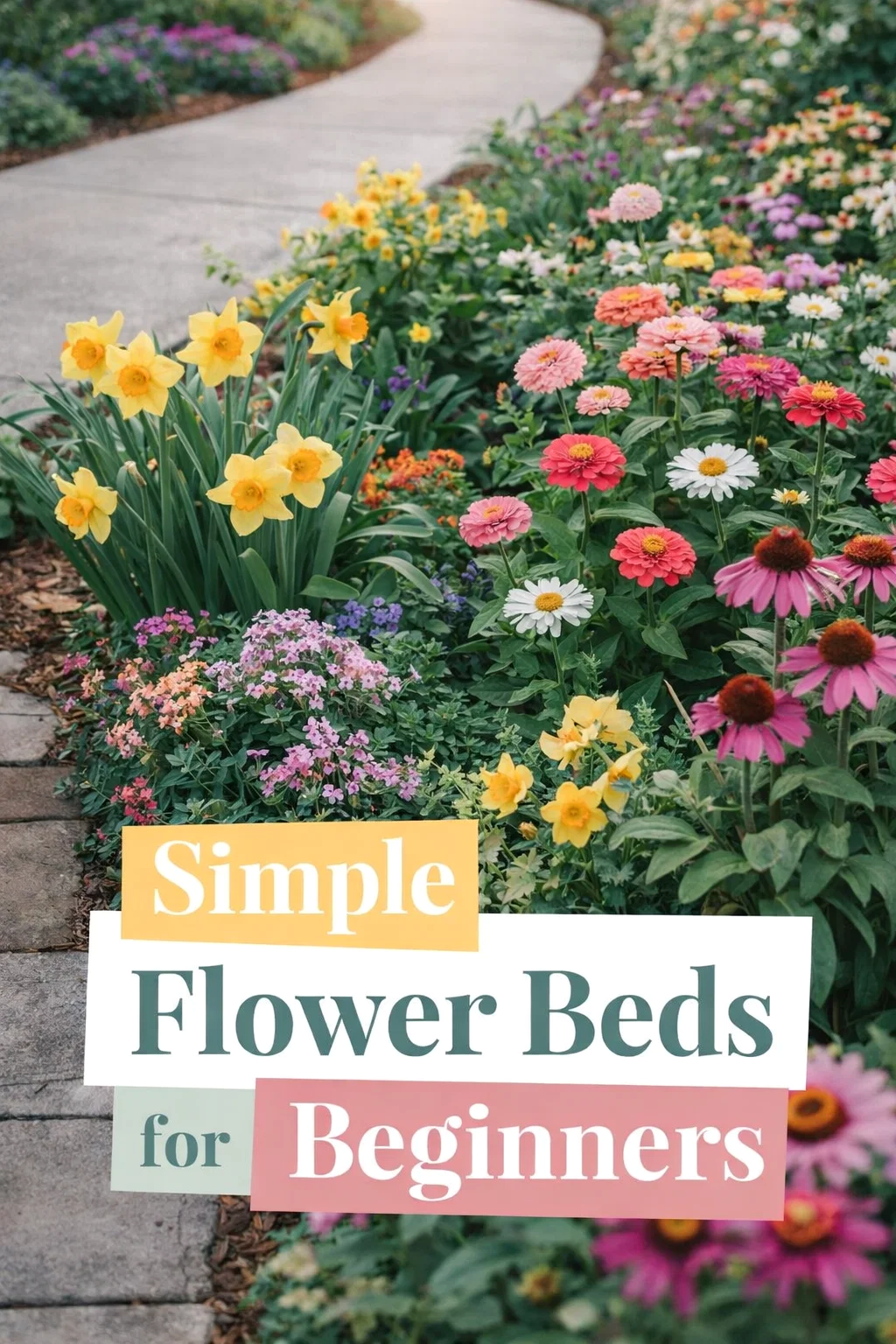
Creating a beautiful home exterior does not have to be a daunting task reserved for professional landscapers with decades of experience. Often, the most stunning transformations come from simple, thoughtful additions that prioritize color, texture, and a bit of creativity. If you have ever looked at a bare patch of soil in front of your home and wondered where to start, you are in the right place. A well designed flower bed can completely change the personality of your property, adding warmth, charm, and that coveted curb appeal that makes neighbors stop and stare.
Understanding the Basics of Beginner Friendly Gardening
The secret to a successful garden lies in the preparation and the selection of plants that actually want to grow in your specific environment. Many beginners fall into the trap of buying what looks prettiest at the garden center without considering sunlight, soil quality, or water needs. To build a flower bed that lasts, you must first observe your space. Does the front of your house bake in the afternoon sun, or is it tucked away in a cool, shady corner? Answering these questions early on will save you time and money.
Starting small is the best advice for any new gardener. Instead of trying to landscape the entire perimeter of your home in one weekend, focus on a manageable four by eight foot space. This allows you to learn the rhythm of your plants and understand how much maintenance you are realistically willing to do. Remember, a small, well kept garden looks significantly better than a large, overgrown one.
The Importance of Soil Health and Drainage
Before any seeds or bulbs hit the ground, you need to think about what is happening beneath the surface. Soil is the foundation of everything. Most residential soil is compacted from construction or foot traffic, making it hard for delicate roots to push through. Adding organic matter like compost or well rotted manure can loosen the soil and provide the essential nutrients your flowers need to thrive.
Good drainage is equally vital. Most popular garden flowers like tulips, ranunculus, and daisies do not like having wet feet. If your soil stays soggy for days after a rain, consider building a raised bed or mounding the soil slightly to ensure water can move away from the roots. Using a high quality wood mulch on top of your finished bed also helps regulate temperature and keep moisture where it belongs during the heat of summer.
Top Flower Choices for an Instant Color Boost
When looking at a vibrant garden like the one in our featured image, you can see a beautiful mix of heights and shapes. For beginners, choosing a variety of spring bulbs and hardy perennials ensures that you get a professional look with minimal effort. Here are some of the best options for achieving that lush, full appearance.
- Tulips: These are the quintessential spring flower. They come in almost every color imaginable and look best when planted in tight clusters rather than single rows.
- Ranunculus: Known for their rose like appearance and papery thin petals, these add a touch of elegance and sophisticated texture to any front yard bed.
- Daisies: These are incredibly hardy and provide a cheerful, bright white contrast that helps the bolder oranges and pinks pop.
- Salvia or Lavender: Adding these provides height and a vertical element that breaks up the rounded shapes of other blooms.
Layering Your Plants for Maximum Visual Impact
One of the biggest mistakes beginners make is planting everything in a single, flat line. To get that professional, layered look, follow the rule of three heights. Place your tallest plants or shrubs in the back, closest to the house or fence. Mid sized blooms like tulips and ranunculus should occupy the center space, and low growing groundcovers or small annuals should border the front edge of the bed.
This staggered approach creates a sense of depth and ensures that every flower is visible. In the image provided, you can see how the dark green foliage of the shrubs acts as a backdrop, making the bright orange and soft pink petals stand out vividly. This contrast is what makes a garden feel designed rather than accidental.
Essential Tools for Your First Garden Project
You do not need a shed full of expensive machinery to start a flower bed. In fact, most of the work can be done with just a few hand tools. Having the right equipment makes the process enjoyable rather than a chore. If you are just starting out, prioritize these basics.
A sturdy pointed shovel is necessary for breaking ground and moving soil. For the actual planting of small bulbs and flowers, a hand trowel is your best friend. It allows for precision and prevents you from disturbing the roots of nearby plants. Additionally, a good pair of bypass pruners will help you deadhead spent blooms, which encourages the plant to produce even more flowers throughout the season.
The Role of Mulching in Maintenance
If there is one magic trick in gardening, it is mulching. Not only does a fresh layer of dark brown or black mulch make the garden look instantly finished and professional, but it also serves several practical purposes. It acts as a barrier against weeds, reducing the amount of time you spend pulling unwanted grass out of your flower beds. It also keeps the soil cool during the summer, protecting sensitive bulbs from the scorching sun.
Step by Step Guide to Planting Your First Bed
Ready to get your hands dirty? Follow this simple process to ensure your front yard transformation is a success. First, mark out the shape of your bed using a garden hose or spray paint. Curved lines often look more natural and inviting than harsh, straight edges. Once you are happy with the shape, remove any existing grass or weeds from the area.
Next, turn the soil to a depth of about six to eight inches and mix in your compost. Before you actually dig any holes for your plants, set them on top of the soil while they are still in their nursery pots. This allows you to move them around and see how the colors work together. Once you are satisfied with the arrangement, dig your holes, gently tease the roots, and tuck them into their new home.
Watering and Initial Care
After planting, your new flowers will need a deep, thorough watering to help settle the soil around the roots. For the first two weeks, check the soil daily. New plants have small root systems and can dry out quickly. Once they are established, you can move to a more relaxed watering schedule, usually a few times a week depending on the weather.
Design Tips for a Cohesive Look
To make your flower bed look like it belongs with your home, consider the colors of your siding and front door. If your house is a neutral color, you can go bold with bright oranges, purples, and reds. If your home has a lot of character or a bright paint color, you might want to stick to a more monochromatic palette of whites, creams, and soft greens to provide a sense of balance.
Incorporating different textures is another way to elevate the design. Mix broad, waxy leaves with fine, feathery foliage. This ensures that the garden remains interesting to look at even when the flowers are not in peak bloom. Notice how the varied leaf shapes in the image create a rich tapestry of green that supports the colorful focal points.
Planning for Year Round Interest
While spring bulbs are spectacular, they eventually fade. To keep your front yard looking great all year, mix in some evergreen shrubs and late summer perennials like coneflowers or black eyed Susans. This ensures that when the tulips are finished, something else is ready to take their place. Gardening is a long game, and planning for the transition between seasons is what separates a beginner from an enthusiast.
The Joy of Front Yard Gardening
Beyond the physical beauty of the flowers, there is a deep sense of satisfaction that comes from tending a garden. It is a form of slow living that allows you to connect with nature right outside your front door. It creates a space for pollinators like bees and butterflies to thrive, contributing to the local ecosystem. Most importantly, it is a gift to your neighborhood, providing a spot of beauty for everyone who passes by.
Do not be afraid to make mistakes. Some plants might not make it, and you might decide that you hate the color orange next year. That is the beauty of gardening; it is a living canvas that you can change and evolve as you grow. Every season offers a fresh start and a new opportunity to try something different.
Conclusion
Creating an easy flower bed for beginners is one of the most rewarding home improvement projects you can undertake. By choosing hardy plants, focusing on soil health, and using simple design principles like layering and mulching, you can achieve professional results on a budget. The vibrant tulips and delicate ranunculus seen in the image are just the beginning of what is possible when you start small and grow with confidence. Grab your trowel, pick out some of your favorite colors, and start building a front yard that makes you smile every time you pull into the driveway. Happy gardening!