
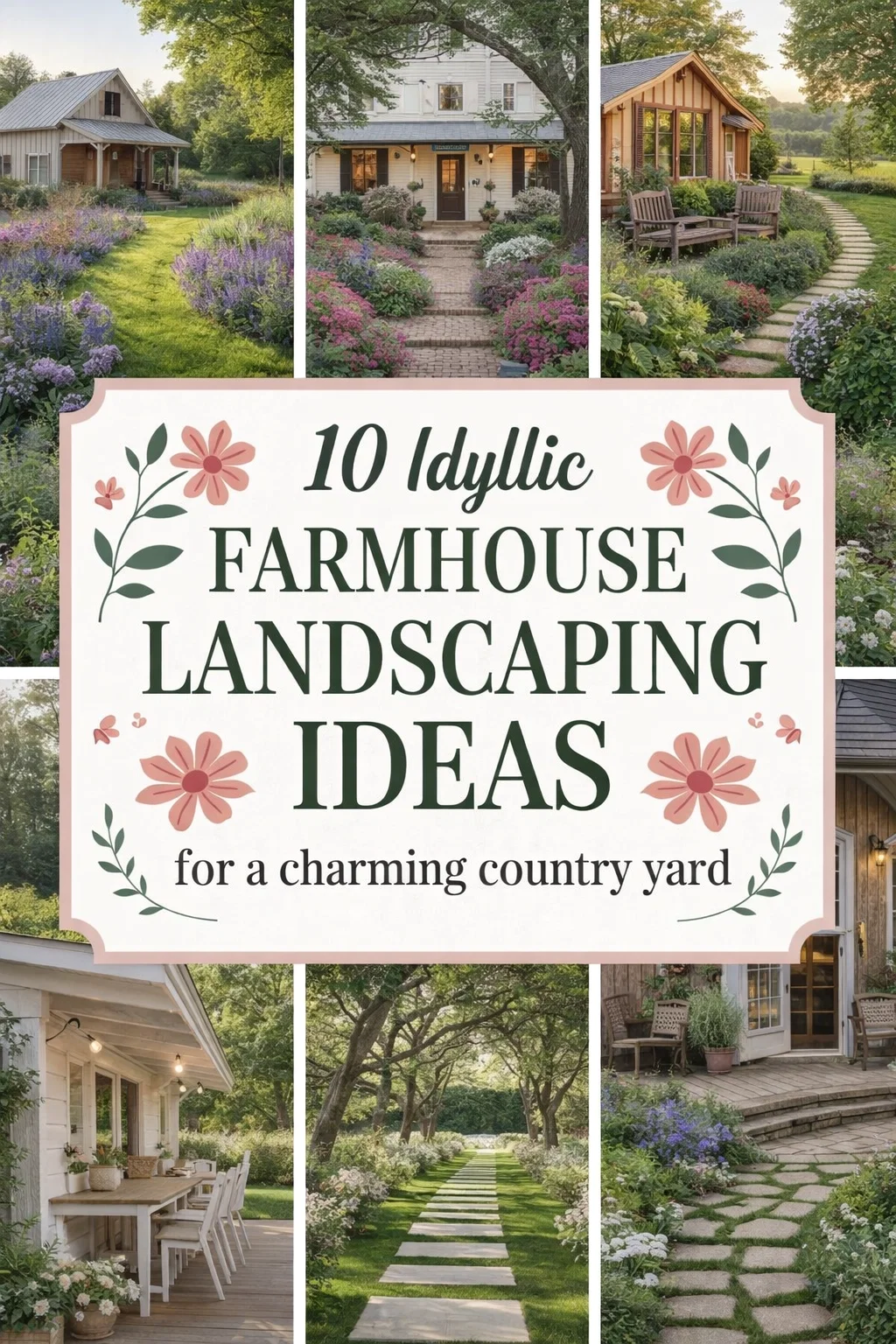
The timeless allure of the country farmhouse continues to capture our hearts. It is more than just a style of architecture; it is a feeling, a longing for a slower pace of life, and a deep connection to the natural world. If you are fortunate enough to live in a rural setting, or if you are working to create that coveted “country feel” on a smaller plot, your landscaping is the key to unlocking this aesthetic. It is the framework that surrounds your home, bridging the gap between structure and nature. It is where you welcome guests, where you find solace after a long day, and where you watch the seasons paint their changes. Creating a beautiful and functional country farmhouse garden is an art form that blends practicality with poetry. It’s not about rigid perfection, but about embracing natural charm, weathered textures, and an abundance of life. In this post, we will walk through ten essential, practical, and inspiring design ideas to help you create your own piece of rural paradise, inspired by the enchanting visuals we see time and time again in the most inviting country homes.
Embracing the Core Principles of Country Landscaping
Before we dive into specific techniques, it’s helpful to understand what makes country landscaping so special. It is distinct from the formal, geometrically precise gardens you might find in a grand estate, and also different from the manicured lawns common in suburbia. At its heart, country landscaping is about three key elements: natural materials, an informal structure, and a deep respect for the surrounding environment.
Natural materials: Think native stone for paths and walls, untreated wood for fences and furniture, and gravel instead of concrete. These materials feel at home in the countryside and only get better with age, developing a patina that adds to the garden’s character.
Informal structure: While every garden needs some form of organization, the lines here are softer. Straight paths might curve gently around trees, and plants are encouraged to spill over their borders. This approach feels less “designed” and more “grown,” creating a sense of history and ease.
Respect for the environment: Successful rural landscaping works with, not against, its location. This means choosing plants that thrive in your local climate and soil, incorporating existing trees and topography, and creating a space that welcomes local wildlife. This harmony is what creates that deeply satisfying and authentic feel.
Design Concept 1: The Winding Meadow Path
Our journey begins with the very first element of access and flow: the garden path. Instead of a hard, straight concrete sidewalk, picture a gentle, winding trail cut directly through a meadow or a lawn of naturalized grasses. This design is simple, incredibly effective, and perhaps the most iconic country element. It creates an immediate sense of arrival and invites exploration.
Why It Works
A winding path slows you down. It encourages you to take in your surroundings and savor the journey. Visually, it breaks up a large expanse of open space, leading the eye towards the home. It’s a wonderful way to introduce variety and texture, as the tall grasses on either side can change colors and seeds with the seasons. It creates that “untamed but managed” look that is so essential to the farmhouse style.
How to Implement It
Mow a wide path through an existing field or let your lawn grow longer in specific sections. For a more defined, less-prone-to-mud option, you can layer a base of crushed rock and then top it with pea gravel or a native, non-invasive ground cover. This path is often bordered by wildflowers like lavender, daisies, and wild indigo, which create soft, fragrant boundaries.
Practical Advice for Maintenance
While this looks effortlessly natural, some planning is required. Be sure the chosen path is wide enough for two people to walk side-by-side or for a wheelbarrow to pass. Define the edges of the path clearly, either with a simple mow-line or with embedded stone. Regularly trim back the larger plant growth to keep the pathway clear. Check for and address any potential invasive species that might try to take over the meadow area. Your winding path will become a signature feature, giving your landscape a clear sense of place and inviting everyone to experience the beauty of your rural space.
Design Concept 2: The Abundant, Spill-Over Front Walkway
The entrance to your farmhouse sets the entire tone for your home. Make it warm, abundant, and completely charming. Move beyond a simple row of evergreen shrubs and embrace the delightful chaos of a spill-over garden walkway. Picture a path of reclaimed brick or large flagstones, leading the way with plants like sprawling roses, hydrangeas, lavender, and hostas cascading over the edges. This isn’t just a walkway; it’s an invitation to sensory delight.
The Key Elements
A successful spill-over walkway uses layers. Start with a mix of ground covers and low-growing flowers that create soft borders along the path. Behind these, plant larger shrubs and perennials of varying heights to build a dense wall of greenery and blooms. Choose plants known for their full, slightly untamed growth habit, like catmint, Geranium ‘Rozanne’, or Russian sage. These plants are the “spillers” that provide the texture and the classic, overflow appearance.
Integrating Hardscaping
Reclaimed brick is perfect for this look, adding an instant dose of history and a touch of formal structure that contrasts beautifully with the wild plant growth. You can lay the bricks in a simple pattern, perhaps a basketweave or herringbone, allowing the plants to define the edges. Large, irregular flagstones with moss or thyme growing between them are another fantastic option, offering an organic and tactile surface that connects with the stone commonly found on rural properties. This approach transforms a functional path into a beautiful part of the living landscape.
Focusing on Multi-Season Appeal
When selecting plants for your spill-over walkway, remember to plan for more than just the peak of summer blooms. Choose varieties with strong foliage and diverse forms. Hydrangeas provide substantial presence and dramatic flowers, while grasses add elegant movement as the seasons progress. By layering plants with different bloom times and growth habits, you can ensure a rich, inviting entrance that feels lived-in and loved throughout the year.
Design Concept 3: Stepping Stones in a Sea of Wildflowers and Grasses
For areas where you want to maintain a wild, unmanicured field or meadow but still need a stable walking surface, the classic “stepping stone in a meadow” is an invaluable tool. This approach perfectly balances the desire for natural beauty with the practicalities of a working farm or a large rural property. It creates a defined path without interrupting the grand, open sweep of the natural landscape.
Connecting Spaces Organically
This path can lead from the main house to a distant barn, a vegetable garden, or a secret seating spot, creating a functional connection that feels entirely authentic. It is an ideal way to link different sections of a large property, guiding movement without carving out a disruptive permanent road. It allows you to preserve the beauty of a wildflower meadow or a field of tall native grasses while still providing a clear and reliable route for pedestrians and light equipment.
Material Choices Matter
The choice of stone is key to making this work. Large, irregular fieldstones or thick, flat river rocks are ideal, as they integrate seamlessly with the natural terrain. Their rough, varied texture feels appropriate for a rural environment. Lay the stones with irregular spacing, creating a more natural and less “engineered” look than a perfectly spaced paver walkway. You can further blend them into the landscape by planting low-growing, durable groundcovers like creeping thyme between the stones, adding a touch of color and fragrance as you walk.
Creating a Functional and Beautiful Boundary
A meadow path doesn’t just cross the space; it can also define its boundaries. You can use a line of stepping stones to create a clear border between a mowed lawn area and a wild meadow, or to outline a larger garden bed. This gives your landscape an intended and well-planned feel without appearing overly structured. The stones themselves provide a useful anchor for maintenance, offering a safe and stable place to stand while you trim, weed, or care for the surrounding plants, all while keeping your boots out of the mud and avoiding unnecessary soil compaction in your beautiful meadow.
Design Concept 4: Creating a Dedicated Seating Area with Rustic Furniture
A fundamental part of enjoying your country landscape is having a dedicated space to sit, relax, and take it all in. This is where you can create your own personal sanctuary. For a true farmhouse feel, the key is to avoid overly manicured garden furniture and instead opt for rustic pieces with character and history.
The Perfect Seating Area
Think beyond a plastic patio set. Imagine a pair of weathered cedar or teak Adirondack chairs or a simple, sturdy bench made of barn wood and rough-hewn timbers. Weathered wood, with its rich texture and natural imperfections, is the ultimate material for rustic seating, blending effortlessly with the landscape. These pieces tell a story, connecting you to the natural world and the history of your land. Placing them on a simple foundation of native stone or gravel creates a dedicated “room without walls” that feels comfortable and inviting. This corner becomes your retreat, a perfect spot to enjoy your morning coffee, read a book, or watch the fireflies at dusk.
Choosing the Ideal Location
The location of your seating area is just as important as the furniture itself. Consider where the light is most pleasant at different times of the day, and where you can enjoy a sense of both privacy and a beautiful view. Is it a sun-drenched nook nestled against the side of the house? A shaded spot under a grand old oak tree? A clear vantage point that looks out over a field or a pond? Wherever you place it, a well-chosen rustic seating area can become one of the most loved and utilized features of your country garden.
Enhancing with Natural Details
Don’t just place the chairs; weave them into the landscape. Surround your seating area with plants that add to the atmosphere. Fragrant herbs like rosemary and lavender can perfume the air, while soft, rustling ornamental grasses can provide a soothing soundtrack. A large, beautifully weathered boulder can be a natural focal point, and a few thoughtfully placed containers with classic garden flowers like geraniums and petunias can add a welcoming touch of color. These small details can elevate a simple arrangement into a truly special destination.
Design Concept 5: Integrating Practical Farm Structures
One of the most beautiful aspects of country living is the integration of utility and beauty. In a farmhouse landscape, you can transform simple farm structures like small barns, sheds, and lean-tos from purely functional buildings into charming focal points that define the space. These structures add history and authenticity to your property, and with a few thoughtful landscaping choices, they can become key elements of your design.
Transforming Utility Sheds into Charming Backdrops
Instead of hiding your tool shed or small barn, make it a part of the scene. Frame it with classic landscaping elements to tie it into the broader garden. Picture a rustic, weathered wood shed at the end of a winding path, its front adorned with a profusion of lavender and catmint. This simple action turns a utilitarian building into a destination and adds a layer of depth and visual interest to your landscape.
Blending with Traditional Hardscaping and Plants
Classic hardscaping can create a sense of cohesion. A gravel path or a flagstone patio laid at the entrance of a small barn can bridge the gap between structure and nature. Add climbing roses, wisteria, or honeysuckle to soften the edges and tie the building into the plant life. A large oak tree nearby provides classic scale and shade, further anchoring the structure within its environment. These elements combined create a sense of belonging, as if the building was always a part of the landscape.
Using Utility for Visual Impact
A utility structure can also serve a powerful design purpose. Use a small, well-kept shed to create a sense of scale and distance in a large garden, or to anchor a specific area, like a vegetable patch or cutting garden. It can serve as a natural boundary or a screen to provide privacy for another part of the property. By giving a simple farm structure a starring role in your landscaping plan, you can celebrate the practical side of country life while creating a unique and deeply personalized garden that reflects the history and character of your land.
Conclusion
Creating a captivating country farmhouse landscape is a wonderful journey. It’s about more than just following rules; it’s about connecting with the natural world and reflecting the unique spirit of your home and property. Start with the foundational principles of natural materials and informal structure, and then layer on specific elements that resonate with you. Whether you weave a meadow path, create an overflowing front walkway, integrate practical structures, or create a secret seating spot, each choice should work towards a harmonious whole. Don’t worry about getting everything perfect on the first try. Gardens grow and evolve over time, just like we do. Let your creativity be your guide, listen to the land, and enjoy the beautiful process of watching your country paradise come to life. The result will be a landscape that not only looks stunning but also feels deeply comforting, authentic, and truly yours.