
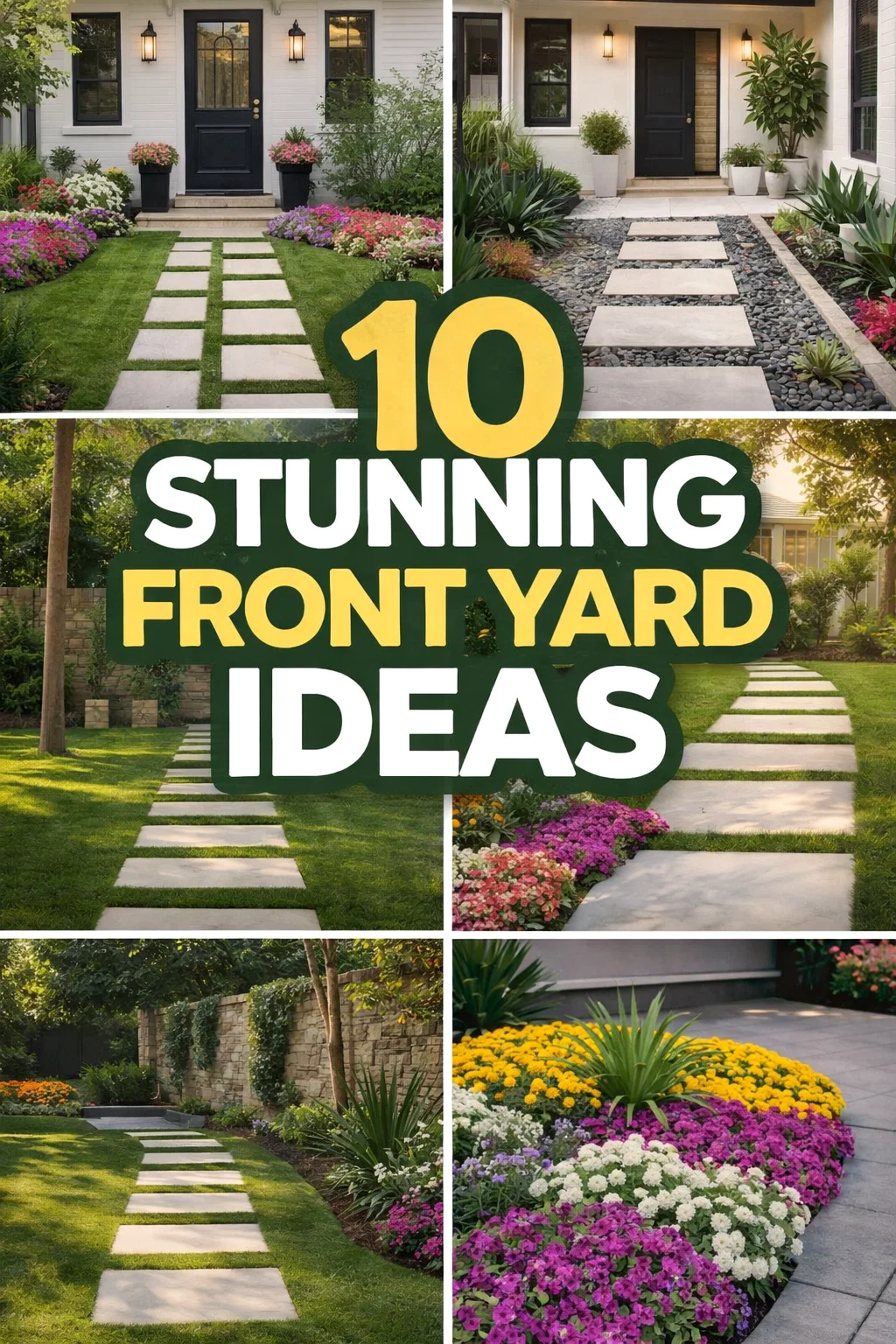
Curb appeal is often the first impression your home makes on the world. It is the architectural handshake that greets guests before they even reach your front door. When you look at a beautifully landscaped front yard, you are not just seeing plants and stones; you are seeing a reflection of the care and personality infused into the home. Transforming a standard exterior into something breathtaking requires a blend of artistic vision and practical planning. Whether you have a sprawling lawn or a compact urban entryway, the right landscaping strategy can elevate your property value and provide a daily sense of pride as you pull into your driveway.
The Art of the First Impression
The secret to an insanely beautiful front yard lies in the balance between structure and nature. Modern landscaping has moved away from the traditional wall of green hedges and toward a more layered, dynamic approach. This involves using a mix of hardscaping, such as stone paths and retaining walls, paired with a diverse palette of flora. By integrating different textures and colors, you create a visual narrative that guides the eye toward the entrance of the home. The goal is to complement the architecture of the house rather than hide it behind overgrown shrubbery.
One of the most effective ways to achieve this is through the use of clean lines. Straight edges and well defined borders give the yard a sense of order and intentionality. When you look at professional designs, you often notice that every element has a purpose. A path is not just a way to get from the sidewalk to the door; it is a design feature that can be enhanced with geometric pavers and lush groundcovers like creeping thyme or moss. This creates a high end look that feels both polished and inviting.
Strategic Use of Color and Texture
Color is a powerful tool in any landscaper’s arsenal. In the front yard, it serves to draw attention and create focal points. To achieve a professional look, it is often best to stick to a cohesive color palette. For example, using shades of purple, white, and yellow can create a vibrant yet harmonious feel. By planting flowers in large drifts or groups rather than scattering them individually, you create a much stronger visual impact. This technique, often seen in high end estate gardening, makes the colors pop and gives the garden a lush, full appearance.
Choosing the Right Plants for Your Climate
Sustainability is a major trend in modern front yard design. Choosing native plants is not only better for the local ecosystem but also ensures that your landscape stays healthy with less maintenance. Native plants are adapted to your local soil and weather patterns, meaning they require less water and fewer fertilizers. When selecting plants, consider the following categories:
- Evergreens: These provide structure and color throughout the winter months when other plants go dormant.
- Perennials: These reliable bloomers come back year after year, providing a cost effective way to keep your garden beautiful.
- Ornamental Grasses: These add movement and sound to the garden as they sway in the breeze, providing a soft contrast to hard stone surfaces.
- Groundcovers: Perfect for filling in gaps between pavers or under trees, groundcovers reduce weeds and add a layer of lushness.
Creating Depth with Layering
A flat yard can often feel uninspired. To fix this, designers use the principle of layering. This means placing taller trees and shrubs in the back, medium sized plants in the middle, and shorter flowers or groundcovers at the front edge of the beds. This staggered height creates a sense of depth and makes the yard feel much larger than it actually is. It also allows you to showcase a variety of different leaf shapes and textures, which keeps the eye moving and the landscape interesting even when nothing is in bloom.
Hardscaping: The Bones of Your Landscape
While plants provide the beauty, hardscaping provides the structure. Elements like walkways, stairs, and decorative rocks are the permanent features that define the space. A popular modern choice is the use of oversized concrete or stone pavers set into a bed of grass or small river stones. This look is clean, contemporary, and incredibly stylish. It breaks up the monotony of a traditional lawn and adds a geometric element that feels very intentional.
Lighting is another crucial aspect of hardscaping that is often overlooked. Strategically placed path lights, uplights for trees, and spotlights for architectural features can transform your home after the sun goes down. Proper lighting not only adds a layer of safety and security but also creates a dramatic and welcoming atmosphere during the evening hours. It allows the beauty of your landscaping to be appreciated twenty four hours a day.
Maximizing Small Spaces
Not everyone has a massive front lawn to work with, but a small footprint should not limit your creativity. In fact, smaller yards often allow for more detail oriented designs. For a compact entryway, focus on vertical interest. Use tall, slender planters or climbing vines on a trellis to draw the eye upward. This creates a sense of height and grandeur without taking up valuable floor space. Using a consistent material for the path and the porch can also help the area feel more expansive and unified.
In smaller areas, every plant counts. Choose specimens that offer multiple seasons of interest, such as a dogwood tree that provides spring flowers, summer shade, and beautiful autumn foliage. Container gardening is another excellent option for small front yards. Beautifully styled pots can be swapped out seasonally to keep the look fresh and updated without a major renovation.
Maintenance Tips for a Pristine Look
Even the most beautiful design will lose its luster if it is not properly maintained. However, a well planned landscape can actually reduce the amount of work you need to do. Mulching is one of the most important steps in maintenance. A thick layer of organic mulch helps retain moisture in the soil, suppresses weeds, and gives the garden beds a clean, finished appearance. As the mulch breaks down, it also improves the soil quality for your plants.
Regular pruning is also essential to keep shrubs from becoming overgrown and blocking windows or walkways. Deadheading spent flowers encourages plants to produce more blooms and keeps the garden looking tidy. If you prefer a hands off approach, look into installing an automated irrigation system. This ensures that your plants receive the perfect amount of water at the right time of day, taking the guesswork out of gardening and protecting your investment during hot summer months.
The Importance of Seasonal Updates
A truly great front yard landscape is one that changes with the seasons. While your permanent trees and shrubs provide the foundation, you can use annual flowers and seasonal decor to celebrate the time of year. In the spring, tulips and daffodils bring the first signs of life. In the summer, heat loving tropicals can add a bold splash of color. When autumn arrives, mums and pumpkins create a cozy, harvest themed welcome. This seasonal rotation keeps your home looking vibrant and ensures that the curb appeal never feels stagnant.
Sustainable and Eco Friendly Choices
Modern homeowners are increasingly looking for ways to make their landscapes more environmentally friendly. One way to do this is by reducing the size of the lawn. Large expanses of grass require significant water, fertilizer, and mowing. By replacing some of the lawn with garden beds, clover, or drought tolerant groundcovers, you can create a more diverse habitat for pollinators like bees and butterflies. Rain gardens are another fantastic feature; these are specially designed areas that capture and soak up rainwater runoff from roofs and driveways, preventing erosion and filtering pollutants before they reach the groundwater.
Using recycled materials for hardscaping is also gaining popularity. Reclaimed bricks or stones can add a sense of history and character to a new design while being a more sustainable choice than buying new materials. Additionally, choosing organic fertilizers and pest control methods protects the health of your family, your pets, and the local wildlife.
Final Thoughts on Curb Appeal
Designing the front of your house is a rewarding project that pays dividends in both home value and personal enjoyment. By focusing on the harmony between hardscaping and softscaping, layering your plants for depth, and choosing colors that reflect your style, you can create an entrance that is truly “insanely beautiful.” Remember that landscaping is a living art form; it will grow and evolve over time, becoming more lush and established with each passing year.
Whether you are starting from scratch or just looking to refresh a few tired garden beds, the key is to start with a clear plan and a bit of inspiration. Take note of what works in your neighborhood and do not be afraid to experiment with bold textures or modern materials. Your front yard is the gateway to your home, and with a little effort, it can become a stunning masterpiece that welcomes you back every single day. Take the time to invest in your outdoor space, and you will find that the beauty you create on the outside has a wonderful way of making the inside feel even more like home.