
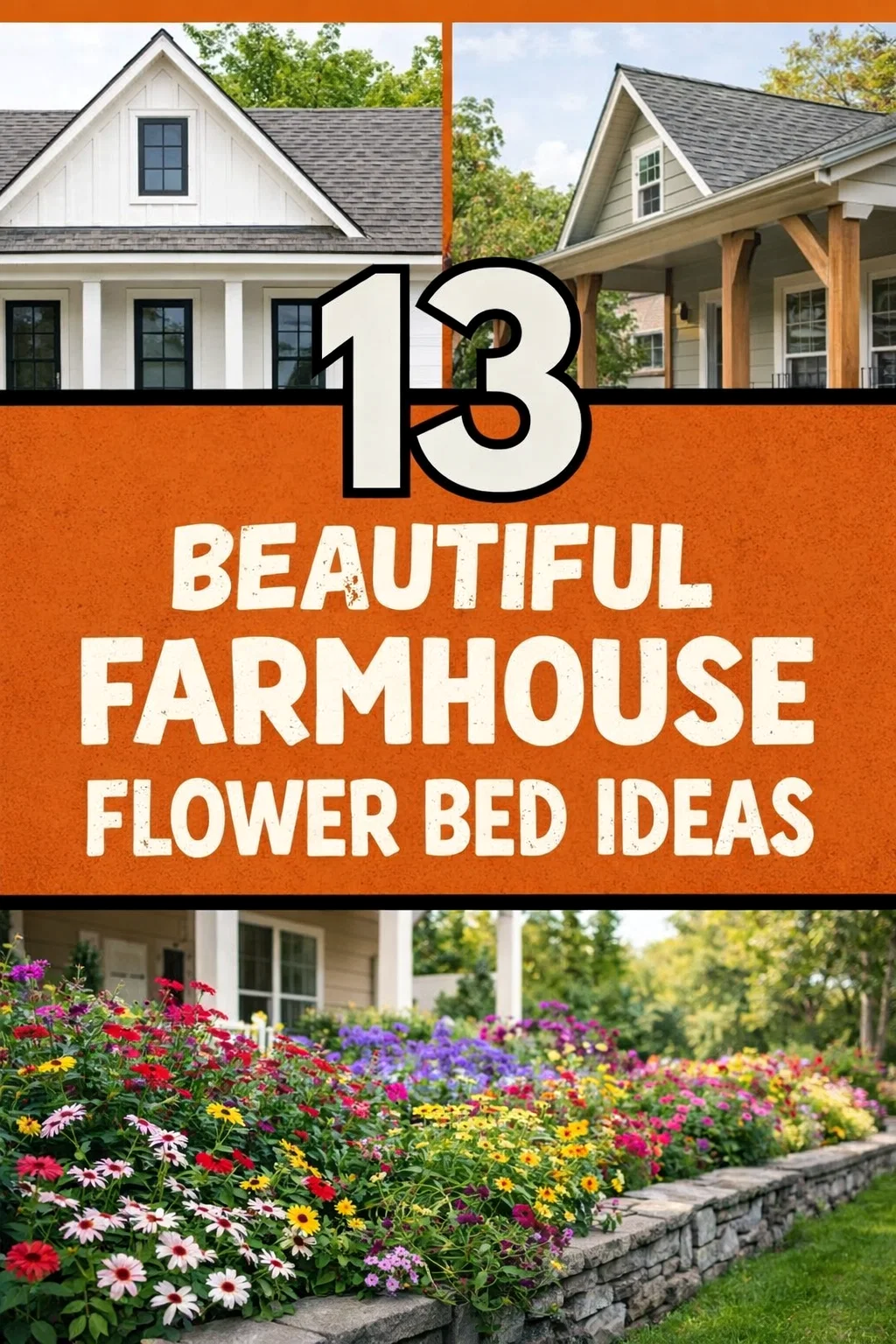
Transforming the front of your home with a farmhouse inspired flower bed is one of the most rewarding DIY projects you can undertake. There is something deeply satisfying about pulling into your driveway and being greeted by a lush, vibrant display of colors and textures that perfectly frame your architecture. Farmhouse style is all about blending the rustic charm of the countryside with a clean, intentional aesthetic. It focuses on layers, natural materials, and a sense of effortless beauty that makes any house feel like a home.
The Essence of Farmhouse Flower Beds
What exactly defines a farmhouse flower bed? Unlike formal English gardens that require strict symmetry or ultra-modern landscapes that focus on minimalism, the farmhouse look is approachable and relaxed. It often utilizes a mix of perennials and annuals to ensure year round interest while incorporating elements like stone borders, wooden barrels, or classic white picket fencing. The goal is to create a soft, inviting transition from the street to your front door.
When you look at the front of your house, think of the flower beds as the foundation of your curb appeal. By choosing the right plants and layout, you can highlight the best features of your home while softening the hard lines of the foundation and driveway. Whether you prefer the classic look of white hydrangeas or the wilder feel of a cottage-style meadow, the farmhouse aesthetic is versatile enough to fit your specific vision.
Planning Your Front Yard Layout
Before you pick up a shovel, it is essential to analyze the space you have available. The success of a front yard flower bed depends heavily on how it interacts with the rest of your landscaping. Start by observing how the sun hits the front of your house throughout the day. Does it get blasted by the afternoon sun, or is it tucked away in the shadows of large trees? This will dictate every plant choice you make moving forward.
Measuring Your Space
It is easy to underestimate how much room plants need to grow. A common mistake is planting everything too close to the foundation. As plants mature, they need airflow and room to spread. Aim for a bed depth of at least three to five feet. This allows you to layer your plants, placing taller shrubs in the back and shorter, colorful blooms in the front. This staggering effect creates a professional, three dimensional look that draws the eye in.
Choosing a Border Style
In farmhouse design, the border is just as important as the flowers themselves. Natural stone is a favorite because it adds a timeless, rugged quality to the garden. Alternatively, a clean, “no-dig” brick border can provide a more polished farmhouse look. If you want something truly rustic, weathered timber or reclaimed wood beams can create a beautiful raised bed effect that feels like it has been part of the landscape for decades.
Top Plant Choices for Farmhouse Curb Appeal
The secret to a stunning farmhouse flower bed is a curated selection of plants that offer a variety of heights and bloom times. You want a garden that evolves with the seasons, offering fresh colors in the spring and sturdy greenery in the winter.
- Hydrangeas: These are the undisputed royalty of the farmhouse garden. Their massive, pillowy blooms and lush green leaves provide a classic, romantic backdrop.
- Lavender: Not only does lavender provide a beautiful silvery-purple hue, but it also adds a calming fragrance to your entryway. It thrives in sunny spots and requires very little water once established.
- Boxwood Shrubs: For year round structure, boxwoods are essential. They stay green all winter and can be trimmed into neat spheres or left to grow naturally for a more relaxed feel.
- Coneflowers (Echinacea): These hardy perennials bring a touch of the prairie to your front yard. They are incredibly resilient and attract pollinators like butterflies and bees.
- Tulips and Daffodils: As seen in many iconic spring landscapes, these bulbs are the first sign of life after winter. Planting them in clusters creates high-impact pops of color that signal the start of the growing season.
The Importance of Layering and Height
A flat flower bed can often look unfinished or messy. To achieve that high-end designer look, you must master the art of layering. Think of your flower bed in three distinct zones: the back, the middle, and the front. The back zone should consist of taller shrubs or ornamental grasses that act as a green screen against the house. These plants provide the “bones” of your garden.
The middle zone is where you place your primary flowering perennials. This is the heart of your color palette. Finally, the front zone is for groundcovers and low-growing annuals. These plants spill over the edges of your border, softening the transition to the grass and covering any bare mulch. By following this structure, you ensure that every plant is visible and that the overall composition feels balanced and full.
Enhancing Your Garden with Hardscaping
While the plants are the stars of the show, hardscaping elements provide the supporting cast that completes the farmhouse theme. Adding a simple birdbath or a decorative wooden bench near the flower bed can turn a simple garden into a functional outdoor living space. These elements encourage people to slow down and enjoy the view.
Consider adding a gravel path or stepping stones that lead through the bed toward a side gate or the porch. This adds a sense of discovery and whimsy to the design. In a farmhouse setting, lighting is also a key factor. Low-voltage path lights or solar lanterns can illuminate your flower beds at night, highlighting the textures of the foliage and keeping your home looking beautiful even after the sun goes down.
Maintaining Your Farmhouse Flower Bed
A beautiful front yard requires consistent care, but it does not have to be a full-time job. The key is to set yourself up for success from the beginning. Mulching is perhaps the most important step in maintenance. A thick layer of organic mulch, such as shredded bark or pine needles, helps retain moisture in the soil, suppresses weeds, and gives the bed a finished, professional appearance.
Watering Strategies
Newly planted flowers need frequent watering to establish their root systems. However, once your farmhouse bed is mature, many of the suggested plants like lavender and coneflowers are quite drought tolerant. If you have a large area to cover, consider installing a simple drip irrigation system. This delivers water directly to the roots, reducing evaporation and ensuring your plants stay hydrated during the heat of summer.
Deadheading and Pruning
To keep your flowers blooming all season long, you should practice deadheading. This simply means removing spent blooms so the plant can focus its energy on producing new flowers rather than seeds. For shrubs like hydrangeas and boxwoods, a light pruning once or twice a year will keep them from becoming overgrown and maintain the tidy appearance that farmhouse curb appeal is known for.
Seasonal Transitions and Year Round Interest
One of the challenges of front yard landscaping is ensuring the house looks good in every season. In the autumn, you can supplement your perennials with potted mums, pumpkins, and ornamental kale. These add rich, warm tones that complement the changing leaves. In the winter, the evergreen structure of your boxwoods and the dried seed heads of grasses will provide visual interest even under a blanket of snow.
By planning for the “off-seasons,” you ensure that your home never looks bare or neglected. The farmhouse style embraces the natural cycle of the garden, appreciating the beauty of dormant plants and the excitement of the first green shoots in the spring.
Creating a Welcoming Entrance
At the end of the day, your front yard flower beds are a gift to yourself and your neighbors. They tell a story about who lives inside and how much they care for their surroundings. A well-designed farmhouse garden feels like a warm hug, inviting friends and family to come in and stay a while. It boosts your home’s value, improves your mood, and provides a much-needed connection to nature in our busy lives.
Do not be afraid to experiment with different colors and plant combinations. Gardening is a journey, and your flower beds will grow and change just as you do. Start small, focus on the basics of soil health and proper spacing, and watch as your front yard transforms into a masterpiece of farmhouse charm.
Final Thoughts on Farmhouse Landscaping
Building the perfect flower bed in front of your house is a blend of art and science. By choosing plants that thrive in your climate and arranging them with a focus on height and texture, you can create a landscape that is both functional and breathtaking. The farmhouse aesthetic is particularly effective because it values simplicity and authenticity, making it a timeless choice for any homeowner.
Whether you are starting from scratch or refreshing an existing garden, remember that the most beautiful beds are those that are loved and tended to. Grab your gardening gloves, pick out your favorite blooms, and start creating the front yard of your dreams today. Your home deserves to shine, and there is no better way to make that happen than with a stunning array of farmhouse flowers.