
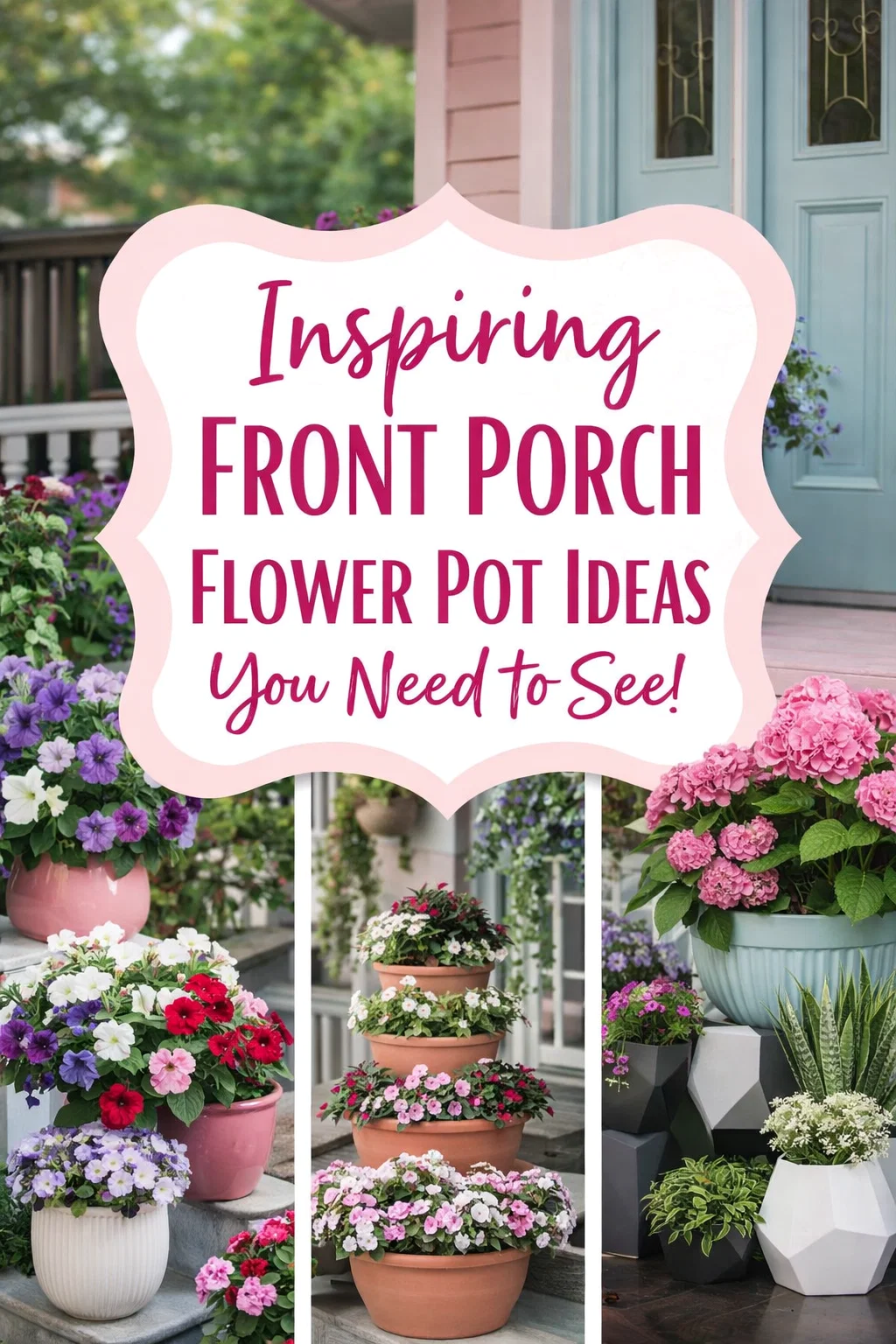
Stepping onto a front porch that is bursting with life and color is one of the most welcoming experiences a home can offer. It is the first impression your sanctuary makes on the world and a reflection of your personal style. While many homeowners focus on major renovations or expensive paint jobs, the secret to instant curb appeal often lies in a much simpler and more organic element: the perfect arrangement of flower pots. The right planter can transform a drab concrete slab into a lush garden oasis that greets you every time you pull into the driveway.
The beauty of container gardening on a porch is its versatility. Unlike traditional garden beds, planters allow you to move your greenery around, swap out colors as the seasons change, and experiment with different aesthetics without a long term commitment. Whether you are working with a sprawling wraparound porch or a cozy urban landing, there is a configuration of pots and petals that will elevate your exterior. In this guide, we will dive deep into the world of front porch planters, exploring everything from color theory and container selection to the practical steps of keeping your porch garden thriving year round.
Choosing the Right Planters for Your Style
Before you even pick out your first seedling, you must consider the vessels that will hold them. The planters you choose act as the foundation of your porch decor. They should complement the architectural style of your home while providing the necessary environment for your plants to grow. The variety of materials available today is staggering, ranging from traditional clay to high tech composites.
Traditional Terra Cotta and Stone
Terra cotta is a timeless choice for a reason. Its warm, earthy tone pairs beautifully with almost any flower color, and its porous nature allows plant roots to breathe. For a more formal or historic look, heavy stone or cast iron urns add a sense of permanence and grandeur. These are ideal for framing a front door or placing at the top of a set of stairs. While heavy, they are sturdy enough to withstand wind and provide a classic look that never goes out of style.
Modern and Geometric Designs
If your home leans toward a modern or contemporary aesthetic, look for planters with clean lines and unique shapes. Geometric pots in charcoal, white, or matte black can create a sophisticated contrast against organic green foliage. Tall, slender planters are particularly effective at adding height to a small porch without taking up much floor space. They draw the eye upward and can make a cramped entryway feel much more expansive and intentional.
Upcycled and Whimsical Containers
For those who love a farmhouse or cottagecore vibe, the options are endless. Galvanized metal buckets, wooden crates, and even vintage rain boots can be repurposed into charming planters. These unique items add personality and a story to your porch. Just ensure that any repurposed item has proper drainage holes drilled into the bottom to prevent root rot.
The Art of the Thriller, Filler, and Spiller
Professional gardeners use a simple but effective formula to create eye catching containers every time. This is known as the Thriller, Filler, and Spiller method. By selecting plants that fit these three categories, you ensure that your pot looks full, balanced, and dynamic from every angle.
The Thriller: Adding Vertical Interest
The Thriller is the focal point of your arrangement. It is usually the tallest plant in the pot and is placed in the center or toward the back. This could be a dramatic spike of dracaena, a flowering Canna lily, or even a small ornamental grass. The goal is to provide height and a sense of drama that catches the eye from the street.
The Filler: Creating Lush Volume
Once your Thriller is in place, you need Fillers to surround it. These are mounding plants that fill out the middle of the pot, making it look lush and healthy. Petunias, geraniums, and begonias are classic fillers because they offer dense foliage and consistent blooms. You can mix and match different colors of the same plant or use a variety of species to add texture.
The Spiller: Cascading Beauty
To finish the look, you need a Spiller. These are trailing plants that grow over the edges of the container, softening the hard lines of the pot and reaching toward the ground. Sweet potato vine, creeping Jenny, and trailing lobelia are fantastic options. Spillers give the arrangement a finished, professional look that feels like it is overflowing with life.
Color Palettes for Maximum Impact
The colors you choose for your flowers can completely change the mood of your home. Color theory plays a huge role in how people perceive your entryway. You can go for a high energy look or a calming, monochromatic vibe depending on your personal preference.
Monochromatic Elegance
Using different shades of the same color can look incredibly sophisticated. Imagine a series of pots filled with white petunias, white hydrangeas, and silver dusty miller. This look is crisp, clean, and particularly striking during the evening hours when white flowers seem to glow in the twilight. It is a foolproof way to ensure your porch looks curated and high end.
Complementary and Contrast Colors
If you want your porch to be the talk of the neighborhood, experiment with complementary colors. These are colors opposite each other on the color wheel, such as purple and yellow or blue and orange. The contrast makes both colors pop more intensely. A bright purple petunia paired with golden yellow marigolds creates a vibrant, sunny energy that is perfect for the spring and summer months.
Practical Tips for Porch Gardening Success
Maintaining a beautiful front porch garden requires a bit more than just regular watering. Because plants in pots have limited soil, they rely entirely on you for their nutrients and moisture. Following a few simple maintenance rules will keep your displays looking fresh for months.
Drainage is Key
The number one killer of potted plants is overwatering, or more specifically, water that has nowhere to go. Always ensure your pots have drainage holes. If you find a decorative pot you love that lacks a hole, use it as a cachepot. This means you keep the plant in a plain plastic nursery pot with holes and simply set that inside the decorative one. This allows you to empty excess water easily.
Feeding Your Flowers
Soil in containers loses its nutrients quickly as the plants grow and water flushes through the pot. To keep your flowers blooming vigorously, use a water soluble fertilizer every two weeks during the growing season. This provides the boost they need to produce those vibrant colors you see in professional garden displays.
Deadheading for More Blooms
Deadheading is the process of pinching off faded flowers. While it might seem tedious, it is essential. When a plant starts to produce seeds from a dead flower, it stops putting energy into making new blooms. By removing the old ones, you trick the plant into thinking it needs to produce more flowers, resulting in a much longer blooming season.
Seasonal Transitions: Keeping Your Porch Fresh
One of the best things about porch planters is that they can change with the seasons. You do not have to stick with the same look all year round. In fact, refreshing your pots is a great way to celebrate the changing calendar.
- Spring: Focus on cool weather favorites like pansies, tulips, and daffodils. These can handle the occasional light frost and bring much needed color after a long winter.
- Summer: This is the time for heat lovers. Think lantana, zinnias, and tropical hibiscus. These plants thrive in the sun and will stay vibrant even in July and August.
- Fall: Swap out tired summer annuals for chrysanthemums, ornamental peppers, and kale. Add a few pumpkins or gourds around the base of your pots for an instant autumnal feel.
- Winter: Even in the coldest months, your pots do not have to stay empty. Use evergreen branches, birch logs, and red dogwood twigs to create a structural, winter wonderland look that lasts until the first thaw.
The Impact of Proper Placement
Where you put your pots is just as important as what is in them. Think about the flow of traffic on your porch. You want to frame your entryway without creating a tripping hazard. Symmetrical placement, such as two identical pots on either side of the door, creates a sense of balance and formality. If you have a larger space, grouping pots in odd numbers (threes or fives) of varying heights creates a more natural, organic look.
Consider the light levels as well. If your porch is North facing and stays in the shade, you must choose shade loving plants like ferns, hostas, or impatiens. If you have a South facing porch that gets baked by the sun, stick to succulents and heat tolerant varieties. Matching your plants to your specific microclimate is the surest path to gardening success.
Conclusion
Transforming your front porch with flower pots is one of the most rewarding DIY projects you can undertake. It is a creative outlet that pays dividends in the form of a more beautiful home and a more welcoming atmosphere for your guests. By selecting the right containers, following the Thriller, Filler, Spiller rule, and staying on top of basic maintenance, you can create a professional looking garden right at your doorstep.
Remember that gardening is a journey, and part of the fun is experimenting with new combinations and styles each year. Do not be afraid to try a bold new color or a unique container you found at a local market. Your front porch is the transition between the outside world and your private sanctuary, and with the right planters, you can make that transition a truly beautiful one. So, grab your gardening gloves and start planning your dream porch display today!