
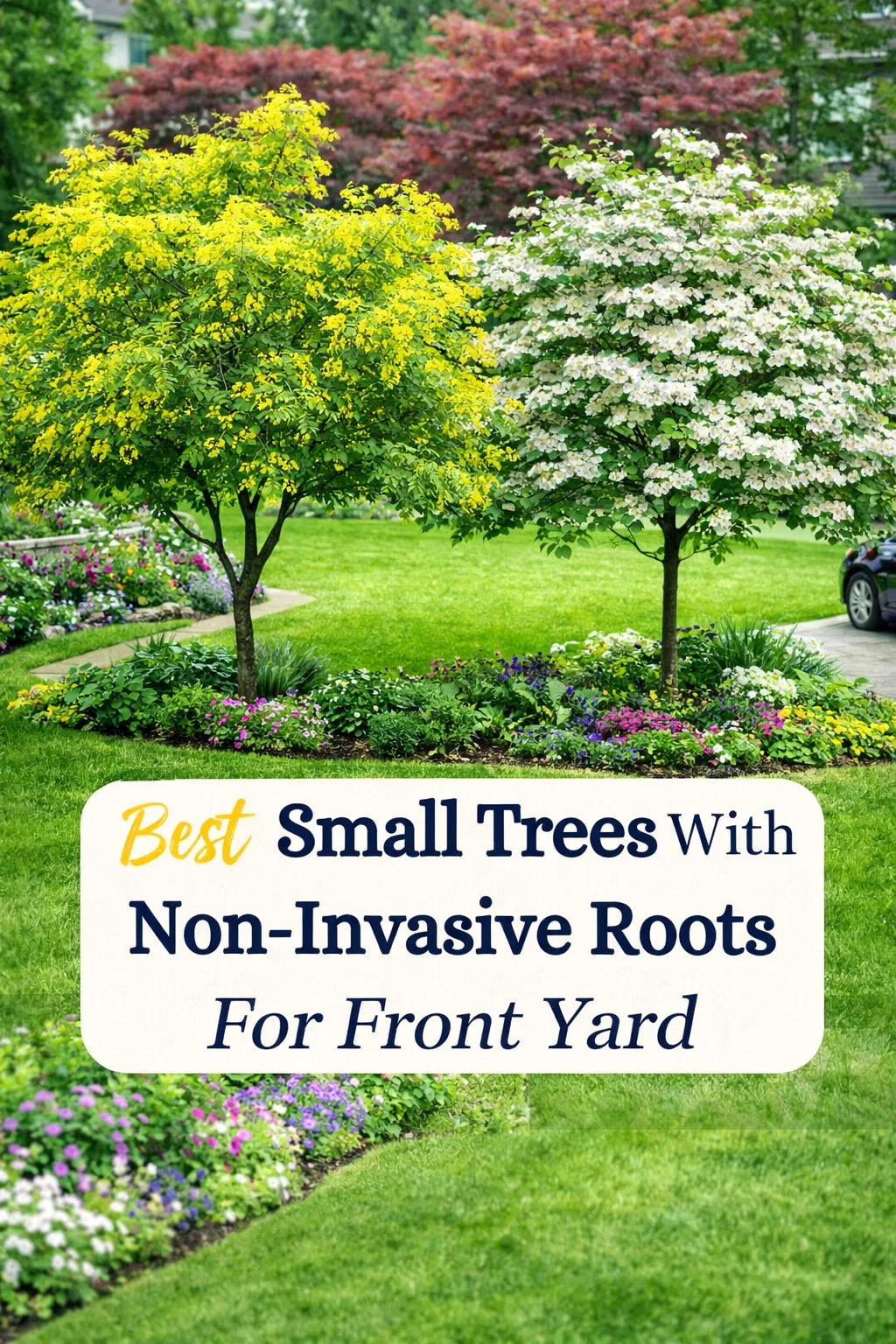
Your front yard is the first thing people see when they pull up to your home. It serves as the handshake of your property, offering a glimpse into your personal style and the care you put into your living space. However, many homeowners find themselves stuck between wanting a beautiful, lush landscape and the fear of planting something that might eventually damage their foundation, driveway, or underground pipes. The secret to a stunning, worry-free front yard lies in selecting small trees with non-invasive root systems. These botanical gems provide the shade, color, and texture you crave without the hidden structural risks associated with larger, more aggressive species.
Understanding Why Root Systems Matter in Small Yards
When we think about trees, we often focus on what is happening above ground: the spread of the branches, the color of the leaves, and the beauty of the flowers. But beneath the soil, a complex network of roots is constantly searching for moisture and nutrients. In a confined front yard, a tree with an aggressive or invasive root system can quickly become a nightmare. Roots from certain species can lift heavy concrete slabs, crack foundations, or find their way into sewer lines, leading to thousands of dollars in repairs.
By choosing trees specifically known for their compact and non-invasive root structures, you are investing in the long-term health of your home. These trees generally have roots that grow downward or remain within a predictable radius, making them perfect companions for walkways, porches, and flower beds. You get the aesthetic benefit of a mature landscape without the ticking time bomb of structural damage.
Top Picks for Small Trees With Non-Invasive Roots
Selecting the right tree requires a balance of climate suitability, soil type, and visual appeal. Here are some of the most reliable and beautiful options for modern front yards:
Japanese Maple (Acer palmatum)
The Japanese Maple is perhaps the gold standard for small-space landscaping. Known for their stunning architectural forms and leaves that range from deep burgundy to bright lime green, these trees are a visual feast. Most varieties grow slowly and maintain a manageable size, reaching between 6 and 15 feet. Their root systems are fibrous and shallow, meaning they rarely cause issues with nearby structures or pavement.
Eastern Redbud (Cercis canadensis)
If you want a burst of early spring color, the Eastern Redbud is an excellent choice. Before its heart-shaped leaves even appear, the branches are covered in tiny, vibrant pink or purple blossoms. They typically top out at 20 feet and have a very polite root system. These trees are particularly popular because they provide a woodland feel even in suburban environments.
Dogwood (Cornus florida)
Dogwoods are classic American landscape trees. They offer multi-season interest, with white or pink bracts in the spring, lush green summer foliage, and bright red berries and foliage in the autumn. Dogwoods are famous for their non-aggressive roots, making them a safe bet for planting near a house or a decorative fence.
Serviceberry (Amelanchier)
The Serviceberry is a versatile, multi-stemmed tree or large shrub that offers something for every season. In the spring, it is covered in white flowers; in the summer, it produces delicious edible berries; and in the fall, the leaves turn a brilliant orange-red. It is a hardy tree that stays small and keeps its roots to itself.
Designing Your Front Yard for Maximum Curb Appeal
Once you have selected your tree, the next step is integrating it into a cohesive landscape design. A single tree can look lonely, but a well-designed plant bed creates a professional, curated appearance. Think about layering your plants to create depth and interest throughout the year.
- The Anchor Point: Use your small tree as the focal point. Place it slightly off-center to create a more natural, balanced look rather than a rigid, symmetrical one.
- Underplanting: Surround the base of the tree with shade-tolerant perennials like hostas, ferns, or coral bells. This hides the mulch and adds extra texture.
- Seasonal Rotation: Incorporate spring bulbs like tulips and daffodils around the tree’s drip line. They will bloom just as the tree is waking up, providing a double layer of color.
- Hardscaping: Frame your planting area with natural stone edging or a brick border. This defines the space and keeps the grass from encroaching on your tree’s root zone.
Maintenance Tips for Healthy Small Trees
Even though these trees are considered low-maintenance, a little bit of care goes a long way in ensuring they thrive for decades. Proper planting is the first and most important step. Always dig a hole that is twice as wide as the root ball but no deeper. This allows the roots to spread easily into the loose soil without the tree settling too deep, which can lead to trunk rot.
Watering is critical during the first two years of a tree’s life. Even trees with non-invasive roots need consistent moisture to establish themselves. Use a soaker hose or a slow-drip system to deliver water directly to the root zone. Mulching is also vital; a two to three inch layer of organic mulch helps retain moisture, regulates soil temperature, and prevents weeds from competing for nutrients. Just be sure to keep the mulch a few inches away from the trunk to prevent moisture buildup against the bark.
Pruning for Shape and Health
Pruning is another essential task for keeping small trees looking their best. For most flowering trees, the best time to prune is immediately after they finish blooming. This ensures you do not cut off the buds for the following year. Focus on removing the three Ds: dead, damaged, or diseased branches. Keeping the canopy airy allows light to reach the interior of the tree and improves air circulation, which prevents fungal issues.
Enhancing Your Simple Landscaping with Professional Touches
To take your simple landscaping to the next level, consider adding elements that complement your new trees. Lighting is an often-overlooked feature that can transform your yard at night. Up-lighting a Japanese Maple or a Dogwood creates a dramatic, high-end look that highlights the tree’s unique structure. Solar-powered path lights can also guide visitors to your front door while softly illuminating the surrounding garden beds.
Consider the color palette of your home when choosing tree varieties. If your house is a neutral gray or white, a tree with vibrant red or purple foliage will provide a stunning contrast. If your home has a more rustic or earthy tone, the soft greens and whites of a Dogwood or Serviceberry will create a harmonious, peaceful atmosphere.
Common Mistakes to Avoid in Front Yard Landscaping
Even with the best intentions, it is easy to fall into some common landscaping traps. One of the biggest mistakes is planting too close to the house. Even if the roots are non-invasive, the canopy needs room to grow. Always check the mature spread of the tree and plant it at least half that distance away from any walls or structures.
Another mistake is ignoring the sunlight requirements of your chosen tree. A Japanese Maple planted in the harsh, direct afternoon sun in a hot climate may experience leaf scorch. Conversely, a flowering tree like a Redbud may not bloom as vigorously if it is tucked away in deep shade. Take a day to observe the light patterns in your yard before you head to the nursery.
Enjoying the Long-Term Benefits of Your Investment
Investing in the right trees for your front yard pays dividends for years to come. Beyond the immediate boost in curb appeal, well-landscaped homes often see a significant increase in property value. Mature, healthy trees make a neighborhood feel established and welcoming. More importantly, you get to enjoy the daily beauty of nature right outside your window, watching the seasons change through the branches of a tree you selected with care.
By focusing on small trees with non-invasive roots, you are choosing a path of sustainable, responsible gardening. You are creating a habitat for local birds and pollinators while protecting the integrity of your home’s infrastructure. It is a win-win scenario that proves you do not need a massive oak tree to have a landscape that feels grand and inspiring.
Conclusion
Creating a beautiful front yard does not have to be a stressful or overly complicated project. By selecting the right species, such as a graceful Japanese Maple or a cheery Dogwood, you can enjoy all the benefits of arboriculture without any of the structural headaches. Simple landscaping is about making smart choices that work with your space rather than against it. Whether you are a seasoned gardener or a first-time homeowner, these small trees provide the perfect foundation for a yard that you will be proud of for a lifetime. Start planning your planting project today and watch as your home’s exterior transforms into a lush, inviting sanctuary. Remember to take your time, prepare the soil, and choose trees that speak to your personal style. Your future self, and your home’s foundation, will thank you.