
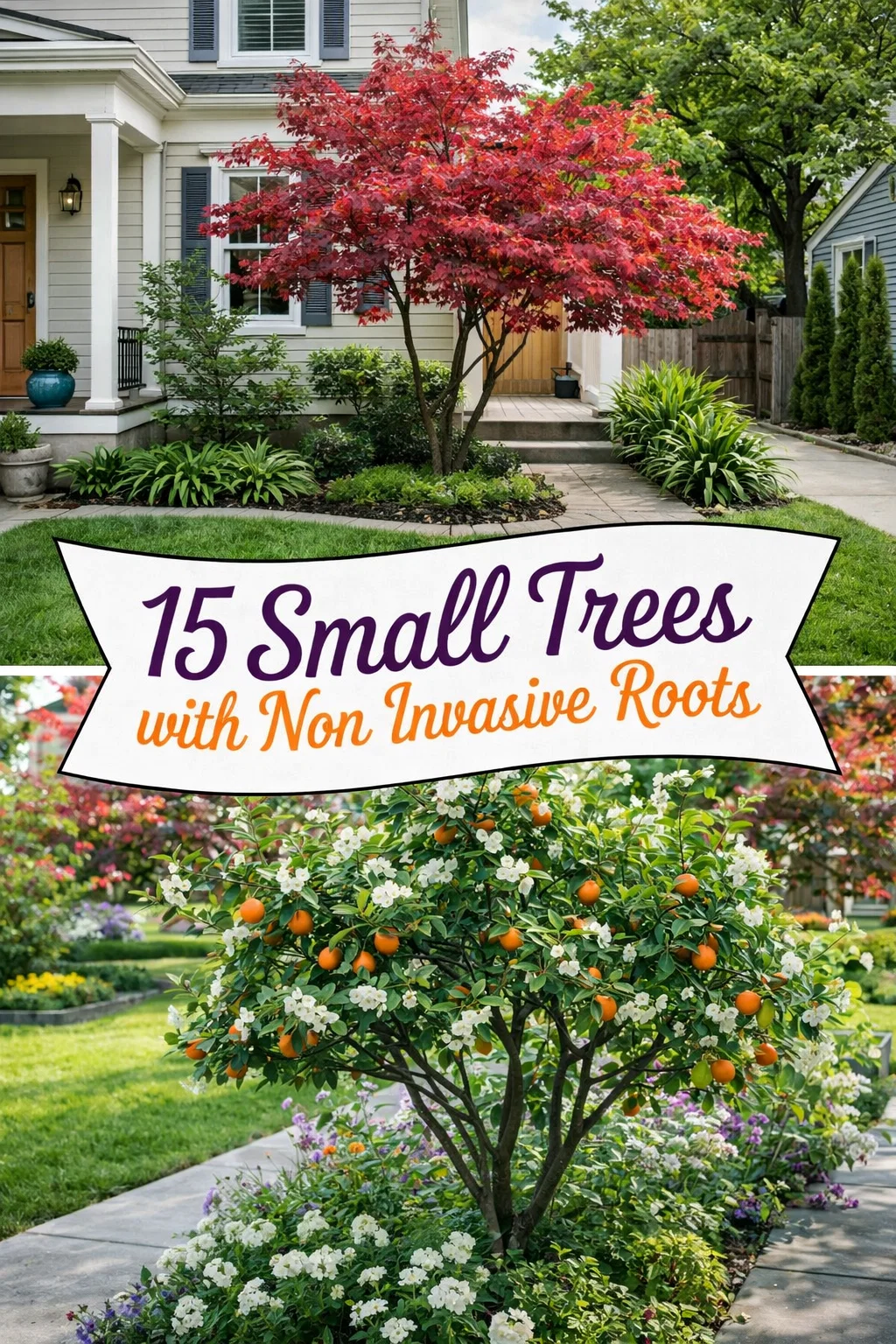
Have you ever looked at a beautifully landscaped yard and felt a pang of jealousy, only to look at your own small outdoor space and sigh? You are definitely not alone. Many homeowners struggle with the desire to add shade, privacy, and vibrant color to their properties without risking damage to their homes. The fear of aggressive roots tearing up sidewalks, cracking foundations, or invading plumbing lines is a very real concern. But what if you could have the lush, blooming garden of your dreams without the underground nightmare? The secret lies in selecting small trees with non-invasive root systems. These compact beauties offer all the visual appeal of larger species while keeping their roots safely contained.
Whether you want to frame your front porch, create a cozy reading nook in your backyard, or simply add a pop of spring color, choosing the right tree is crucial. Let us dive into everything you need to know about landscaping with well-behaved trees and explore some of the absolute best varieties for your garden.
Why Root Systems Matter in Landscaping
Before we get to the fun part of picking out trees, it is important to understand why root systems are such a big deal. When a tree grows, its roots expand outward in search of water and nutrients. For massive trees like willows or silver maples, these roots are powerful enough to lift concrete and crush pipes. In a compact yard, or when planting near a house, this type of aggressive growth is a recipe for expensive repairs.
Trees with non-invasive roots, on the other hand, typically have fibrous root systems or taproots that grow straight down rather than sprawling outward. These trees are generally smaller in stature, rarely exceeding twenty-five to thirty feet in height, which naturally limits the spread of their roots. By choosing these varieties, you get all the benefits of a tree, such as improved air quality, shade, and boosted curb appeal, without the structural risks.
Benefits of Planting Small, Non-Invasive Trees
- Foundation Safety: You can plant them closer to your home without worrying about cracks in your basement walls or concrete slabs.
- Patio and Sidewalk Preservation: Say goodbye to tripping hazards caused by lifting pavers or buckling concrete walkways.
- Easy Maintenance: Smaller trees mean less pruning, easier pest management, and manageable leaf cleanup in the fall.
- Versatility: They fit perfectly into tight corners, under power lines, or even in large decorative containers.
15 Stunning Small Trees with Non-Invasive Roots
Ready to transform your landscape? Here are fifteen incredible small trees that boast beautiful foliage, striking flowers, and safe, well-behaved root systems.
1. Crape Myrtle (Lagerstroemia)
If you want a showstopper that provides brilliant summer color, the Crape Myrtle is an excellent choice. Known for their vibrant pink, purple, red, or white blooms, these trees thrive in warm climates. Their roots are shallow and fibrous, making them perfectly safe to plant near patios or walkways. Plus, their peeling winter bark adds year-round visual interest to your yard.
2. Golden Chain Tree (Laburnum x watereri)
Imagine long, cascading clusters of bright yellow flowers hanging from delicate branches. The Golden Chain Tree brings a touch of pure magic to any spring garden. Reaching only about fifteen to twenty feet tall, it has a tidy root system that will not disrupt your landscaping hardscaping. It is a fantastic focal point for a front yard display.
3. Japanese Maple (Acer palmatum)
A staple in elegant landscape design, the Japanese Maple is highly prized for its delicate, lacy leaves and breathtaking autumn colors ranging from deep crimson to fiery orange. These trees grow slowly and have very compact, non-destructive root systems. They prefer dappled shade and look stunning when planted near water features or Zen gardens.
4. Eastern Redbud (Cercis canadensis)
One of the first signs of spring is the vibrant magenta-pink blossoms of the Eastern Redbud. What makes this tree unique is that its flowers bloom directly on the bare branches and trunk before the heart-shaped leaves even appear. It is a native tree in many parts of North America, making it incredibly resilient and friendly to local ecosystems and your foundation.
5. Flowering Dogwood (Cornus florida)
The Flowering Dogwood is a classic landscaping favorite. In the spring, it is covered in gorgeous white or pink bracts, followed by bright red berries in the fall that attract local birds. Its roots stay relatively close to the surface and are not known for causing structural damage. Just be sure to give it well-draining soil and a bit of afternoon shade in hotter climates.
6. Star Magnolia (Magnolia stellata)
Unlike its massive Southern cousins, the Star Magnolia is a petite, slow-growing tree that fits beautifully into small spaces. It blooms very early in the spring, producing masses of star-shaped, fragrant white flowers. The root system is fleshy and surface-oriented, posing no threat to your home’s exterior.
7. Serviceberry (Amelanchier)
This four-season tree truly earns its keep in the garden. It offers delicate white flowers in the spring, edible dark berries in the summer (which taste a bit like blueberries), brilliant orange and red foliage in the fall, and attractive smooth bark in the winter. It is an incredibly well-behaved tree that thrives in a variety of soil conditions.
8. Fringe Tree (Chionanthus virginicus)
Often overlooked, the Fringe Tree is a magnificent specimen that bursts into clouds of fluffy, fragrant white flowers in late spring. It is highly adaptable, tolerant of air pollution, and has a very tame root system. If you want a unique tree that will have your neighbors asking for its name, this is the one.
9. Paperbark Maple (Acer griseum)
While its fall foliage is lovely, the real star of the Paperbark Maple is its trunk. The rich, cinnamon-colored bark peels back in papery layers, providing incredible winter texture. It is a slow grower that rarely exceeds twenty-five feet, and its roots are deeply respectful of surrounding structures.
10. Chaste Tree (Vitex agnus-castus)
If you love the look of butterfly bushes but want something a bit more substantial, the Chaste Tree is perfect. It produces striking spikes of purple or blue flowers in the middle of summer when most other trees have finished blooming. It is highly drought-tolerant and features a non-aggressive root system that makes it a great choice for dry, sunny spots near the house.
11. Smoketree (Cotinus coggygria)
For a highly unique visual texture, the Smoketree cannot be beaten. In early summer, it produces large, airy clusters of flowers that look like puffs of pink or purple smoke hovering over the leaves. It can be grown as a large shrub or pruned into a small tree. Its roots are fibrous and shallow, completely safe for tight spaces.
12. Sweetbay Magnolia (Magnolia virginiana)
If you have a spot in your yard that tends to stay a little damp, the Sweetbay Magnolia will be incredibly happy there. It features glossy green leaves with silvery undersides and produces beautifully fragrant, creamy white flowers. It is much smaller than the Southern Magnolia and has a contained root structure.
13. Japanese Snowbell (Styrax japonicus)
This elegant, graceful tree features horizontal branches that drip with bell-shaped, fragrant white flowers in late spring. Because the flowers hang downward, it looks especially beautiful when planted on a slight incline or near a patio where you can look up into the canopy. The roots are well-mannered and stay out of trouble.
14. Disease-Resistant Crabapple (Malus)
Older varieties of crabapples got a bad reputation for dropping messy fruit and suffering from diseases. However, modern cultivars like “Sugar Tyme” or “Prairifire” are bred to be disease-resistant and hold onto their tiny fruit well into winter, providing food for birds. They offer spectacular spring blooms and have very safe, predictable root systems.
15. American Hornbeam (Carpinus caroliniana)
Sometimes called “Musclewood” because of its smooth, fluted trunk that looks like flexing muscles, the American Hornbeam is a fantastic small shade tree. It thrives in the understory of larger forests in the wild, which means it is perfectly happy in the shady corners of your yard. Its roots are deep but not destructive, making it a solid, structural addition to your landscape.
Best Practices for Planting Near Your Home
Even with trees that have non-invasive roots, you still need to follow a few basic rules to ensure both the tree and your home remain healthy and structurally sound over the years.
Mind the Canopy Spread
When selecting a planting site, do not just think about the roots. Think about how wide the tree’s branches will eventually grow. A good rule of thumb is to plant a tree at least half of its mature canopy width away from your house. For example, if a tree will eventually be twenty feet wide, plant the trunk at least ten feet away from your foundation to prevent branches from scraping your siding or roof.
Digging the Right Hole
The way you plant your tree directly impacts how its roots will develop. Dig a hole that is two to three times as wide as the root ball, but no deeper. Planting a tree too deep can suffocate the roots and cause them to grow upward in a panicked search for oxygen, which ruins the non-invasive nature of the tree. Ensure the root flare (where the trunk slightly widens at the base) is visible above the soil line.
Proper Watering Techniques
To encourage deep, healthy, and contained roots, you need to water your new tree deeply and infrequently. If you give the tree a little sprinkle of water every day, the roots will stay right at the surface to catch the moisture. By watering deeply once or twice a week, you force the roots to grow downward into the earth, which makes the tree more drought-tolerant and less likely to disturb the surface of your yard.
Wrapping Up Your Landscape Design
Creating a breathtaking landscape does not mean you have to compromise the safety of your home or deal with aggressive, destructive roots. By thoughtfully selecting small trees with non-invasive root systems, you can add incredible value, shade, and seasonal beauty to your property with absolute peace of mind. Whether you are captivated by the bright yellow cascades of the Golden Chain Tree, the classic elegance of a Japanese Maple, or the vibrant summer blooms of a Crape Myrtle, there is a perfect, well-behaved tree just waiting to take root in your garden.
Take the time to assess your yard’s sunlight, soil type, and available space, and then choose a few of these stunning compact trees to elevate your curb appeal. With a little planning and the right species, your small yard can become a lush, thriving oasis that you will enjoy for decades to come.