
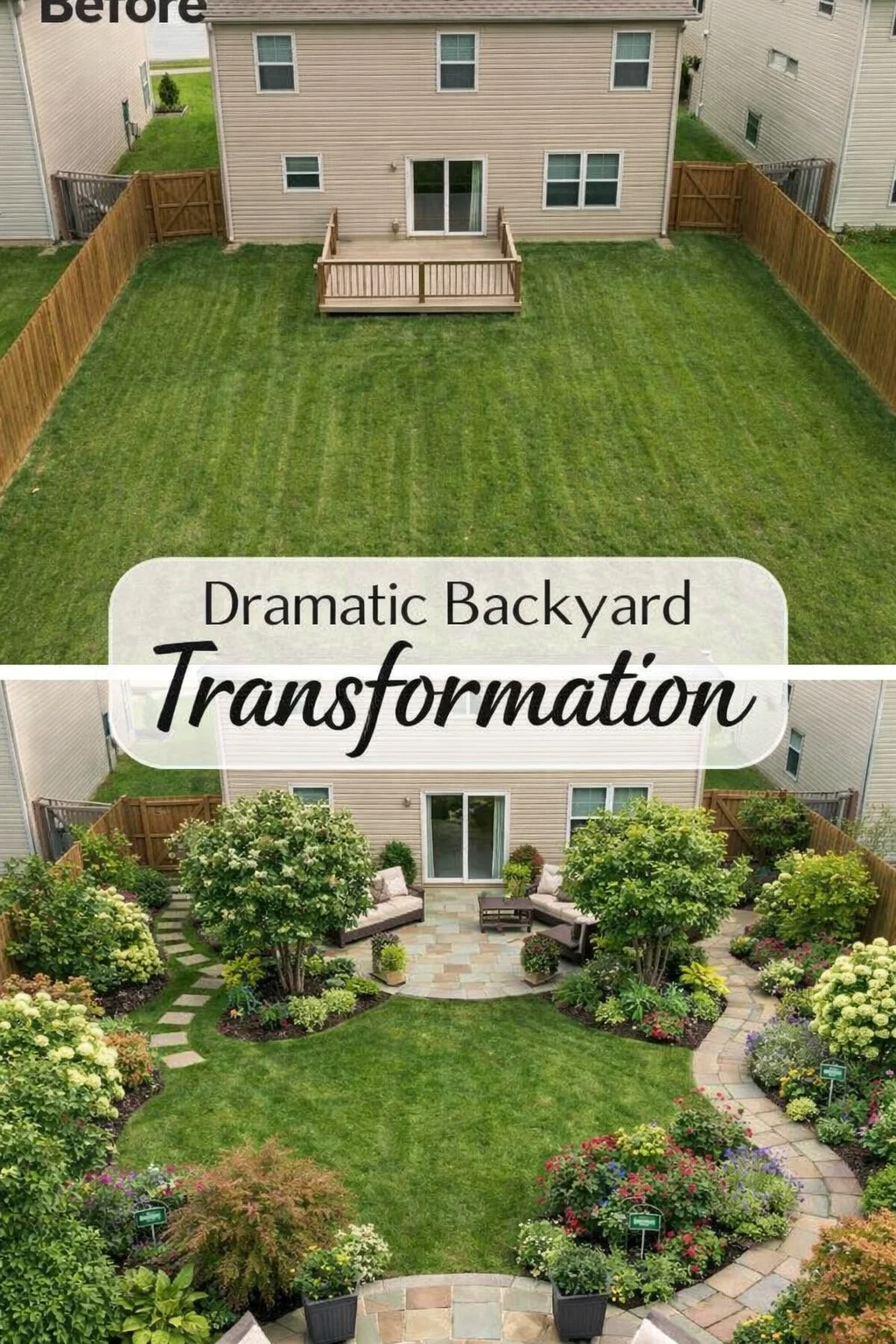
Have you ever looked out your back window at a vast expanse of plain, uninspired grass and wondered what it could become? Many of us inherit standard builder-grade backyards. They usually feature a simple wooden deck, a basic fence, and a whole lot of empty lawn. While a big open lawn is great for a quick game of catch, it often lacks the warmth, character, and functionality that turns a house into a true home. The leap from a boring grassy rectangle to a lush, inviting outdoor oasis might seem daunting, but a thoughtful landscaping makeover can completely revolutionize how you use and enjoy your property. By incorporating clever hardscaping, strategic plant choices, and distinct functional zones, you can create a private retreat right outside your door.
Assessing Your Blank Canvas
The first step in any major backyard transformation is understanding what you currently have and what you ultimately want. Look at your existing space. A typical “before” scenario often involves a stark contrast between the heavy structure of the house and the flat, featureless plane of the yard. This lack of transition makes the outdoor space feel disconnected and slightly unwelcoming. Start by dreaming big. Do you want a quiet corner for reading? A large patio for entertaining guests? A vibrant garden filled with pollinators? Sketching out rough ideas helps you identify the different “rooms” you want to create within your landscape.
Instead of viewing the yard as one single, overwhelming entity, break it down into manageable areas. Take note of how the sun moves across your property throughout the day. This will dictate where you should place a sunny dining area versus a shaded relaxation spot. This mental shift is crucial for moving away from the “just a lawn” mindset and toward a cohesive, layered garden design that maximizes every square foot of your property.
The Power of Hardscaping: Patios and Pathways
When transitioning a yard from a basic plot of grass to a designed landscape, hardscaping is your foundation. Hardscaping refers to the non-living elements of your yard, like patios, walkways, retaining walls, and edging. In many standard yards, the only hardscaping is a small, elevated wooden deck attached to the back door. While functional for a grill, replacing or supplementing a stark deck with a ground-level stone patio grounds the entire design and connects the living space directly to the earth.
Choosing the Right Materials
Selecting the right materials for your patio and pathways sets the tone for the entire yard. Natural flagstone offers a beautiful, organic look with varying earthy tones that blend seamlessly into a garden setting. The irregular shapes of flagstone create a relaxed, naturalistic vibe that is incredibly inviting. If you prefer a more uniform aesthetic, manufactured pavers come in endless colors and textures. The key is to choose materials that complement the exterior colors of your home while providing a durable, slip-resistant surface for outdoor furniture and regular foot traffic.
Creating Flow with Curves
One of the most effective design tricks in a backyard makeover is the introduction of curves. Rectangular yards enclosed by straight wooden fences can feel rigid, boxy, and unnatural. By designing curved edges for your stone patio, meandering stone pathways that disappear behind tall shrubs, and sweeping garden beds, you instantly soften the landscape.
Curved walkways invite exploration and make the yard feel significantly larger by obscuring the direct line of sight to the back fence. Instead of taking in the whole yard at a single glance, the eye is forced to travel along the sweeping lines of the grass and the hardscape. It creates a sense of mystery and flow, guiding visitors through the space naturally and encouraging them to slow down and appreciate the surroundings.
Softscaping: Bringing Life and Color
Once the foundational hardscaping is in place, it is time for the magic of softscaping. This is where you introduce trees, shrubs, flowers, and ground cover. A plain lawn is essentially a green monoculture. A well-designed landscape, on the other hand, relies on biodiversity, varying textures, and visual layers to create breathtaking interest.
Layering Your Garden Beds
The secret to a professional-looking garden is deliberate layering. You do not want all your plants to be the exact same height. Start with the “bones” of the garden, which are your ornamental trees and large shrubs. These provide structure, vertical interest, and vital shade. Plant them toward the back of the beds or near the property line to create a sense of privacy and enclosure.
Next, add the middle layer. This is the perfect spot for show-stopping plants. Think about massive, gorgeous blooms like white hydrangeas, which offer large spheres of color against dark green foliage. Add in flowering bushes with bright red or pink blossoms to draw the eye. Finally, border your sweeping beds with low-growing perennials, broad-leafed hostas for shaded areas, or vibrant ground cover. This tiered approach ensures that there is always something catching the eye, drawing the gaze from the ground all the way up to the tree canopy.
Seasonal Color and Texture
A truly successful landscape design looks beautiful in more than just the peak weeks of summer. When selecting plants, consider their foliage texture and their specific blooming windows. Mix evergreen shrubs with deciduous plants so your yard retains some structure, life, and green color during the bleak winter months.
Incorporate plants with varying bloom times so that as one spring flower fades, a summer bloomer is ready to take the spotlight, followed by rich autumn foliage. Do not forget about the power of foliage color itself. Deep burgundy leaves, bright chartreuse ferns, and silvery-blue ornamental grasses can provide incredible visual contrast and interest even when nothing in the yard is currently producing a flower.
Redefining the Lawn
In a major backyard transformation, the role of the lawn often shifts dramatically. Instead of being the default ground cover that stretches from fence to fence, the grass becomes a deliberate design element. By carving out large, deep garden beds around the perimeter and extending them inward, you reduce the overall footprint of the grass.
What remains is often a stylized shape, such as a sweeping oval or a gentle kidney bean shape, surrounded by lush planting beds and stone pathways. This smaller, defined patch of grass acts as a visual resting place for the eyes amidst the colorful chaos of the garden. It is still highly functional for pets or a small picnic, but it no longer dominates the space. This approach also has the added benefit of reducing the time and resources needed for weekly mowing and fertilizing.
Creating Functional Zones
A beautiful yard is only truly successful if you actually use it. The best backyard transformations carve out specific, highly functional zones. Think about how the interior of a home has a kitchen, a living room, and a dining room. Your backyard can and should follow a very similar concept.
A beautiful, expansive stone patio can serve as the primary outdoor living room, complete with comfortable, weather-resistant sofas, deep chairs, and a central coffee table. You might designate another corner of the yard, perhaps connected by a winding flagstone path, as a quiet retreat featuring a simple wooden bench surrounded by fragrant flowers and tall ferns. By defining these specific areas with your hardscaping and framing them with lush planting beds, you create intimate spaces that draw people outside and encourage them to linger well into the evening.
Practical Tips for a Backyard Makeover
Embarking on a complete backyard overhaul is incredibly exciting, but it requires careful planning and a realistic approach to ensure long-term success.
Start with a Solid Plan
Never start digging holes or ordering stone without a comprehensive plan. Whether you sketch it out on graph paper or utilize digital landscape design tools, having a scaled layout of your yard is absolutely essential. This master plan helps you calculate exactly how much material you need, prevents costly mistakes, and ensures all the elements will physically fit together. Take careful note of the sunlight and shade patterns in your yard over a few days, as this will dictate where specific plants will thrive and where you will want to place your seating areas.
Phasing vs. All at Once
A massive, magazine-worthy transformation can be expensive and time-consuming. It is entirely acceptable, and often recommended, to tackle the project in phases over a few years. You might install the new patio and the main structural walkways in year one. In year two, you can focus on expanding the garden beds, bringing in soil, and adding the extensive layers of plantings. Phasing allows you to manage the budget effectively and gives you valuable time to see how you actually use the new hardscaped space before committing to the next step of the design.
Maintenance and Upkeep
Finally, remember that a beautiful garden is a living, breathing, and constantly growing thing. The work does not stop the moment the last plant is placed in the ground. Consider your personal tolerance for ongoing maintenance when selecting your plants and materials.
If you prefer a low-maintenance yard, opt for native plants, drought-tolerant species, and slow-growing evergreens that require little pruning. Invest in a good, thick layer of organic mulch for all your garden beds. Mulch is crucial because it retains vital moisture during hot weeks, regulates soil temperature, and significantly suppresses weed growth. Regular, deep watering, seasonal pruning to maintain shape, and occasional weeding will protect your substantial investment and ensure your outdoor oasis continues to flourish and look its best year after year.
Conclusion
Transforming a plain, uninspired backyard into a breathtaking, fully functional landscape is one of the most rewarding home improvement projects you can possibly undertake. It is about so much more than just boosting your property value or improving curb appeal; it is about fundamentally expanding your living space and creating a personal, peaceful sanctuary right at home. By combining thoughtful, curving hardscape elements with lush, deeply layered plantings, you can completely turn a forgotten patch of grass into a vibrant, functional, and deeply relaxing environment. Take that first step today, start envisioning the incredible possibilities hidden in your plain lawn, and get ready to enjoy the stunning outdoor oasis you have always dreamed of.