
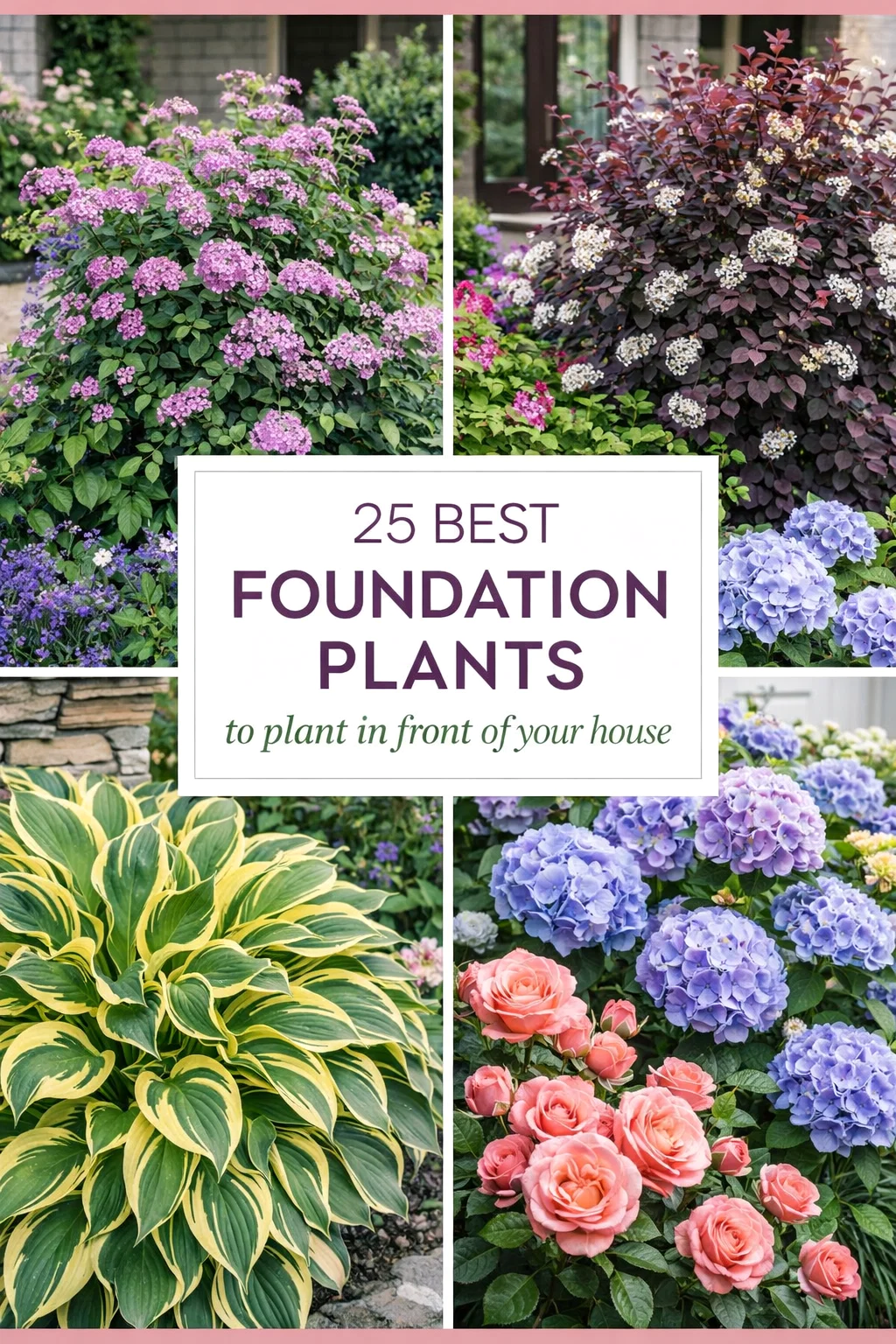
Creating a beautiful first impression for your home starts long before anyone steps through the front door. The exterior of your house is a canvas, and the plants you choose to frame it serve as the living architecture of your property. Foundation planting is more than just a landscaping term; it is the art of grounding your home into its environment, softening hard architectural lines, and adding a layer of personality that reflects the people living inside. When you look at a well-designed front garden, you see a harmony of colors and textures that draws the eye and makes the entire neighborhood feel more vibrant. Whether you are dealing with a modern stone facade or a classic white siding, the right selection of greenery and blooms can completely transform your curb appeal from ordinary to extraordinary.
The Essential Role of Foundation Plants in Home Design
The primary goal of foundation planting is exactly what the name suggests: to hide the concrete or brick foundation of a house and create a seamless transition between the structure and the lawn. However, modern landscaping has evolved far beyond a simple row of evergreen shrubs. Today, the most successful designs incorporate a variety of heights, colors, and bloom cycles to ensure that the front of the house looks inviting throughout the entire year. By choosing the right plants, you can highlight the best features of your architecture while downplaying less attractive elements like utility meters or uneven ground.
Strategic planting also serves a functional purpose. Thick shrubs can act as a natural insulation barrier, while well-placed perennials can help manage water runoff near the house. When you select plants that are appropriate for your specific climate and soil type, you are investing in a long-term upgrade that increases your property value. The visual weight of the plants should complement the scale of your home. A large, two-story house can handle tall, dramatic shrubs like Rose of Sharon, while a smaller cottage might look best with delicate hostas and low-growing hydrangeas that do not overwhelm the windows.
Top Picks for Show-Stopping Curb Appeal
Selecting the right varieties is the most exciting part of the process. To create a professional look, you want to mix evergreen structure with seasonal stars. Here are some of the most reliable and beautiful options for the front of your home:
Hydrangeas for Classic Elegance
Hydrangeas are a staple in front-of-house landscaping for a reason. Their massive, rounded flower heads provide a romantic, lush feel that few other plants can match. Pink and blue varieties, like the Bigleaf Hydrangea, offer a soft color palette that pairs beautifully with green lawns. They thrive in spots that get morning sun and afternoon shade, making them perfect for many east-facing foundations. Because they have large leaves, they provide excellent coverage for the lower parts of your walls.
Hostas for Texture and Shade
If the front of your house is shaded by large trees or faces north, hostas are your best friend. These perennials are prized for their foliage rather than their flowers. Variegated hostas, with their striking yellow and green patterns, can brighten up a dark corner instantly. They are incredibly hardy and grow in mounds that naturally suppress weeds, which means less maintenance for you. They provide a wonderful contrast when planted next to fine-textured plants like ferns or ornamental grasses.
Peonies for Dramatic Spring Blooms
Peonies are the crown jewels of the spring garden. With their large, fragrant, and intricate petals in shades of lavender, white, and crimson, they create a high-end look that feels both timeless and sophisticated. While their blooming period is relatively short, their deep green, glossy foliage remains attractive for the rest of the summer. Planting peonies near an entryway ensures that their incredible scent greets you and your guests every time you come home.
Rose of Sharon for Height and Privacy
When you need something that grows a bit taller to fill the gaps between windows or at the corners of your house, the Rose of Sharon is an excellent choice. This hardy hibiscus produces stunning, tropical-looking flowers in late summer when many other plants are starting to fade. They can be pruned into a tight shrub shape or allowed to grow into a small tree, providing a versatile vertical element to your foundation beds.
Designing Your Flower Beds for Maximum Impact
A common mistake in home landscaping is planting in a single straight line. To achieve a professional look, you should design your beds in layers. Think of your garden in three tiers: the back, the middle, and the front. The back tier, closest to the house, should consist of your tallest plants or evergreens that provide year-round structure. The middle tier is where your flowering shrubs like hydrangeas and peonies live. Finally, the front tier should feature low-growing perennials, annuals, or groundcovers that spill over the edges of the bed.
Using curves instead of straight lines can also make a huge difference. A curved garden bed feels more natural and organic, leading the eye toward the front door. It breaks up the boxy shape of most houses and creates pockets where you can group plants of different colors together. When choosing colors, consider the color of your house. If you have a neutral-colored home, you can go bold with bright pinks and deep purples. If your house is already a vibrant color, you might want to stick to white flowers and various shades of green foliage to create a sense of balance.
Maintenance Tips for a Flourishing Front Yard
Even the best-designed garden needs a bit of care to stay looking its best. The key to a low-maintenance foundation bed is proper preparation. Start by enriching your soil with organic compost before you plant. This ensures that your shrubs and perennials have the nutrients they need to establish strong root systems. Mulching is another non-negotiable step. A thick layer of wood chips or bark not only keeps weeds at bay but also helps the soil retain moisture, which is vital during the hot summer months.
- Pruning: Regularly trim back any branches that start to touch your siding or cover your windows. This keeps the garden looking intentional and prevents moisture from being trapped against your house.
- Watering: Foundation plants often sit under roof eaves, which means they might not get as much rain as the rest of your yard. Check the soil moisture regularly, especially during the first two years of growth.
- Deadheading: Removing spent blooms from plants like peonies and hydrangeas encourages the plant to put energy into root and foliage growth rather than seed production.
It is also important to consider the mature size of the plants you buy. It is tempting to plant things close together for an instant full look, but giving plants enough space to breathe will prevent fungal diseases and ensure that no single plant gets crowded out as they grow over the years.
The Benefits of a Thoughtful Entrance
Beyond the obvious aesthetic appeal, a well-planted front yard offers several psychological and practical benefits. Coming home to a garden filled with color and life can significantly lower stress levels after a long day. It creates a sense of pride in ownership and encourages a more active, outdoor lifestyle. From a practical standpoint, a beautiful landscape is one of the few home improvements that actually grows in value over time. While a new kitchen might eventually go out of style, a mature, healthy garden only becomes more impressive and valuable with every passing season.
Furthermore, your choice of plants can support the local ecosystem. By including flowering varieties like Rose of Sharon and peonies, you provide essential food sources for pollinators like bees and butterflies. Watching a butterfly flutter past your front window while you drink your morning coffee is a simple pleasure that a bare foundation simply cannot provide. You are not just building a garden; you are building a small, thriving habitat that contributes to the beauty of the world around you.
Bringing Your Vision to Life
Now is the perfect time to start planning your front-of-house transformation. You do not need to do everything at once. Start by picking one corner or the area immediately surrounding your front door. Choose two or three of your favorite plants from this list and get them in the ground. Once you see the immediate boost in curb appeal, you will likely find yourself inspired to keep going until the entire front of your home is framed in beauty.
Remember that gardening is a journey, not a destination. Some plants will thrive immediately, while others might need to be moved to a different spot to find their happy place. Embrace the process of learning what works best for your specific home and climate. With a little bit of planning and some beautiful foundation plants like hostas, hydrangeas, and peonies, you can create a welcoming entrance that makes you smile every time you pull into the driveway. Your home deserves to look as good on the outside as it feels on the inside, and a thoughtful flower bed is the best way to make that happen. Save these ideas and start your gardening project today to enjoy a more beautiful home tomorrow.