
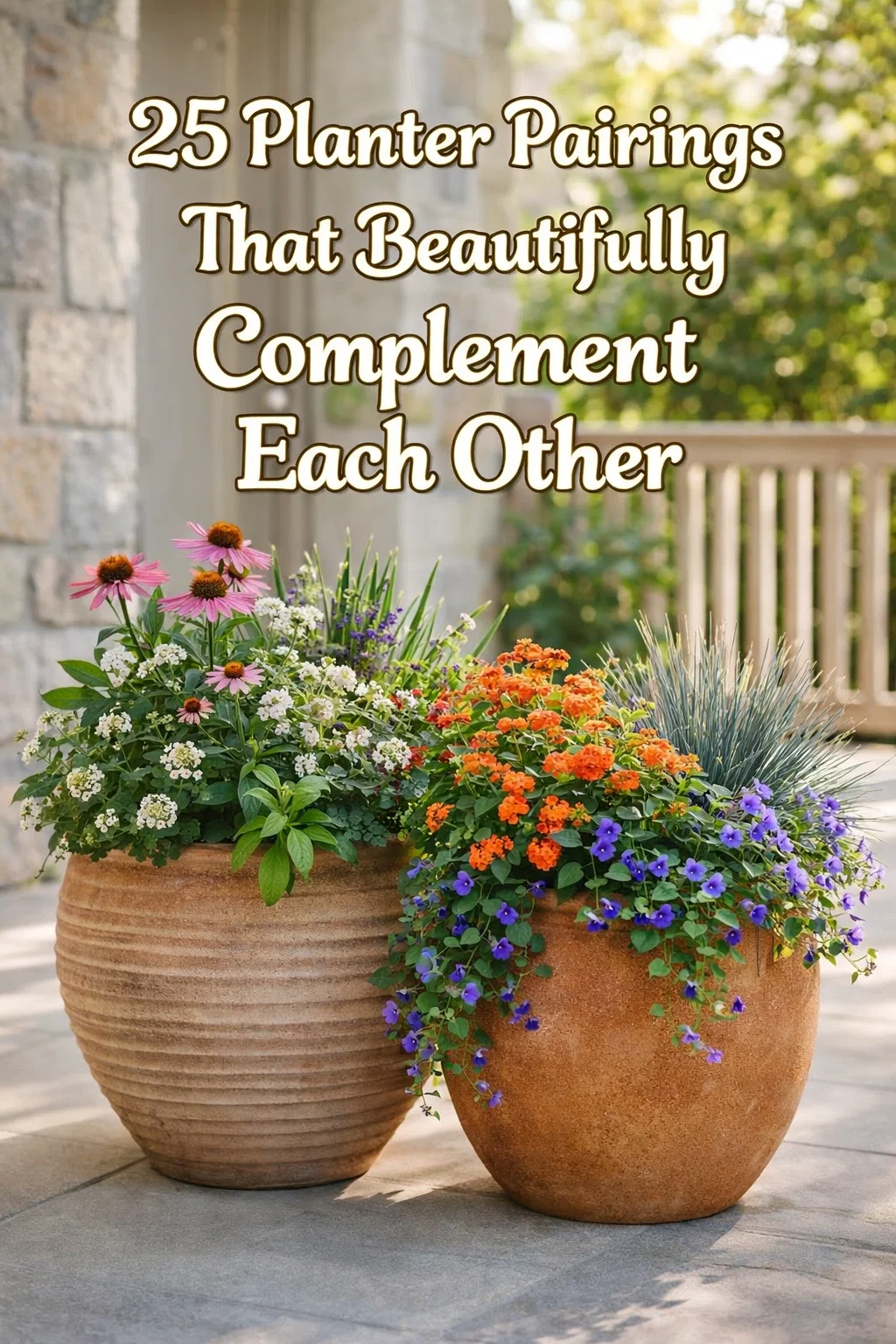
Creating a welcoming entrance to your home starts with the perfect front porch planter. There is something truly magical about the way a well-curated container garden can transform a simple doorstep into a vibrant, living invitation. When we look at professional arrangements, like the stunning combination of lavender, dusty miller, and trailing ivy, it is easy to feel inspired. These pairings do more than just fill a pot; they tell a story of texture, color, and fragrance that enhances your home’s curb appeal and reflects your personal style.
The beauty of container gardening lies in its versatility. You do not need a sprawling backyard to express your green thumb. A single, thoughtfully planted vessel can serve as a focal point that ties together your architecture and the natural world. In this guide, we will explore the art of pairing plants for maximum impact, focusing on how to choose the right materials, maintain your displays, and create seasonal transitions that keep your porch looking fresh all year long.
The Secrets to a Stunning Planter Pairing
When you look at the image of the rustic stone planter, you notice a deliberate balance of heights and textures. This is not by accident. Professional landscapers often follow a simple yet effective formula known as the Thriller, Filler, and Spiller technique. By understanding these three roles, you can design professional-grade arrangements even if you are a beginner.
The Thriller: Adding Vertical Interest
The thriller is the star of the show. It is the plant that provides height and draws the eye upward. In the featured arrangement, the upright stalks of purple lavender serve as the perfect thriller. Lavender is an excellent choice because it offers both visual structure and a relaxing scent. Other great thrillers include ornamental grasses, tall ferns, or even small citrus trees for a Mediterranean vibe. The key is to place this plant in the center or toward the back of the pot depending on where the planter will be viewed from.
The Filler: Creating Fullness and Texture
Fillers are the plants that surround the thriller to give the arrangement a lush, rounded appearance. This is where you can play with contrasting colors and leaf shapes. The silvery, lace-like foliage of the Dusty Miller in the image is a classic filler. Its cool tones provide a beautiful backdrop for the more vibrant purple flowers. Other popular fillers include petunias, begonias, or aromatic herbs like rosemary and sage. Fillers bridge the gap between the tall centerpiece and the edge of the container.
The Spiller: Softening the Edges
No planter is complete without a spiller. These are trailing plants that tumble over the sides of the pot, softening the hard edges of the container and adding a sense of movement. The bright green, scalloped leaves of the creeping ivy or trailing vine in the photo demonstrate how a spiller can anchor the pot to the ground. Calibrachoa, sweet potato vine, and creeping Jenny are also fantastic options for creating that “overflowing” look that signifies a healthy, thriving garden.
Choosing the Right Container for Your Porch
While the plants are the main attraction, the container itself plays a massive role in the overall aesthetic. The planter in the image features a weathered, stone-like texture that complements the rustic wall behind it. When selecting your own pots, consider the architectural style of your home. A sleek, black fiberglass pot might suit a modern minimalist home, while a terracotta or ceramic glazed pot feels more traditional and cozy.
Functionality is just as important as fashion. Ensure your chosen planter has adequate drainage holes at the bottom. Without proper drainage, water can pool around the roots, leading to root rot and plant death. If you find a pot you love that lacks holes, you can often use it as a decorative outer shell for a simpler plastic liner that does have drainage.
Color Theory in Outdoor Decor
The color palette of your porch planters should harmonize with your front door and siding. In the example provided, the soft purples and muted greens work beautifully against the beige and tan stonework. This creates a serene, monochromatic look with a pop of floral color. If you want a more energetic feel, consider using complementary colors like yellow and violet or orange and blue. Silver foliage, like the Dusty Miller, acts as a neutralizer that makes bright colors stand out more vividly without overwhelming the eye.
Plant Selection Based on Light Conditions
Before you head to the nursery, it is vital to assess how much sun your porch receives. Lavender, for example, is a sun-loving plant that thrives in at least six hours of direct light. If your porch is shaded by a large overhang or tall trees, you will need to swap sun-seekers for shade-tolerant beauties like Hostas, Bleeding Hearts, or Impatiens. Always check the plant tags to ensure that your “Thriller, Filler, and Spiller” all share the same light and water requirements, otherwise, one might thrive while the others struggle.
Maintenance Tips for Long-Lasting Beauty
The key to keeping your front porch planters looking like a magazine cover is consistent care. Containers dry out much faster than garden beds, so checking soil moisture daily is a must, especially during the peak of summer. Here are a few quick tips to keep your display healthy:
- Deadheading: Regularly pinch off spent blooms to encourage the plant to produce new flowers rather than seeds.
- Feeding: Use a high-quality liquid fertilizer every two weeks during the growing season to provide the nutrients that potting soil alone cannot sustain.
- Pruning: Do not be afraid to trim back aggressive spillers if they start to overwhelm the other plants in the pot.
- Rotating: Occasionally turn your pots so that all sides get equal exposure to the light, preventing the plants from leaning in one direction.
Seasonal Transitions: Keeping the Porch Fresh
One of the best things about container gardening is how easily you can update it for the seasons. While lavender and ivy are great for spring and summer, you can swap out the fillers as the weather cools. In the autumn, replace the Dusty Miller with ornamental kale or vibrant chrysanthemums. During the winter, you can remove the delicate flowers and tuck evergreen boughs, red dogwood branches, and pinecones into the soil for a festive, hardy look that survives the frost.
The Psychological Benefits of a Green Entryway
Beyond the aesthetic value, having plants at your entrance has a genuine impact on your mood. Coming home to living greenery reduces stress and provides a sense of calm. It signals to your brain that you have arrived in a safe, nurturing environment. For guests, it sets a tone of hospitality and care. A well-maintained planter suggests a home that is loved and looked after, which is the ultimate goal of curb appeal.
Conclusion: Start Small and Grow from There
Transforming your front porch does not require a complete landscape overhaul. As we have seen from the beautiful lavender and stone pairing, a single container can make a world of difference. By focusing on the balance of height, texture, and color, and by choosing plants that suit your specific environment, you can create a welcoming masterpiece that lasts for months.
The most important thing is to have fun with the process. Gardening is an evolving art form, and every season is an opportunity to try something new. Grab a beautiful pot, pick out a few of your favorite plants, and give your home the entrance it deserves. Your porch is the first thing people see, so make it a space that truly shines with life and color.